Kotobuki Soga no Taimen
寿曽我対面 (Kotobuki Soga no Taimen)
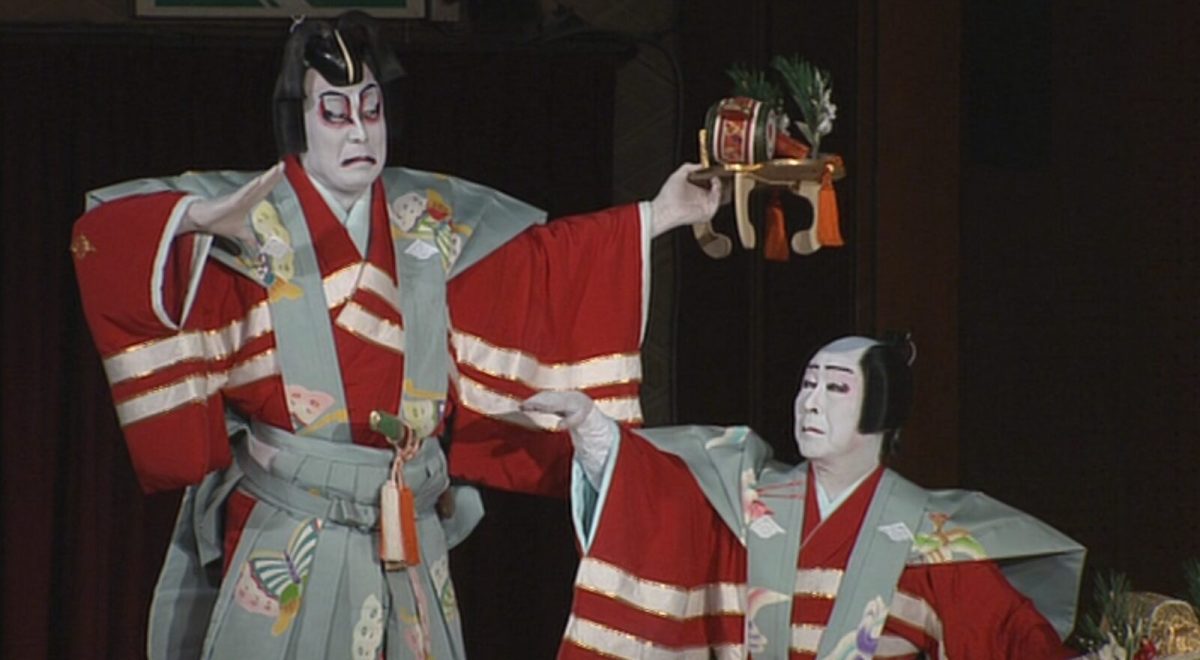
Kotobuki Soga no Taimen is one of the most famous and celebratory works in Kabuki theatre, based on the real historical revenge carried out by the Soga brothers, Jūrō and Gorō, in the early Kamakura period (12th century).
In Kabuki, when people simply say “Taimen” (The Confrontation), they are almost always referring to this play.
Historical Background
The play was first performed in 1676 (Enpō 4) as a New Year production at Nakamura-za Theatre in Edo (modern Tokyo).
During the Kyōhō era (18th century), it became customary in Edo Kabuki to perform a Soga-themed play as part of the New Year season.
As a result, Kotobuki Soga no Taimen came to be performed every year as the grand finale of the main program.
Because it was staged so frequently, actors and theatres created countless variations in staging and presentation. It is said that there were “over one thousand versions” of this play.
The version commonly performed today is based on a script revised by Kawatake Mokuami, first staged in 1903 at the Kabuki-za Theatre in Tokyo.
Story Summary (Easy to Understand)
The story takes place during the Kamakura period.
Kudō Suketsune, a powerful retainer of the shogun Minamoto no Yoritomo, has been appointed the chief organizer of a grand hunting event at the foot of Mount Fuji, known as the Makigari.
A lavish celebration is held at Kudō’s residence.
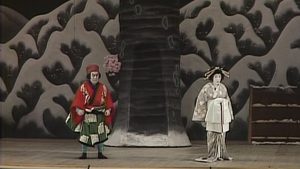
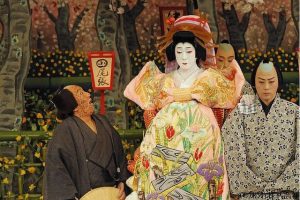
Powerful lords gather, and beautiful courtesans—Tora of Ōiso and Shōshō of Keshōzaka—add elegance and color to the scene.
During the celebration, Kobayashi Asahina, a warrior, brings in two young men.
They are revealed to be Soga Jūrō and Soga Gorō, the sons of Kawazu Saburō, a man whom Kudō killed years earlier.
For the brothers, Kudō is their father’s sworn enemy.
Gorō, the younger brother, is filled with rage and nearly attacks Kudō on the spot.
Jūrō, the elder brother, struggles to restrain him.
Kudō, fully aware of who they are, declares that this is not the time for revenge.
Instead, he gives them official passes that allow entry to the hunting grounds.
They part with a promise:
“We shall meet again—at the hunting grounds.”
This moment marks the beginning of the brothers’ path toward revenge.
Why This Play Is Special
Although the plot itself is simple, Kotobuki Soga no Taimen is considered a ceremonial masterpiece of Kabuki.
On a single stage, the audience can see:
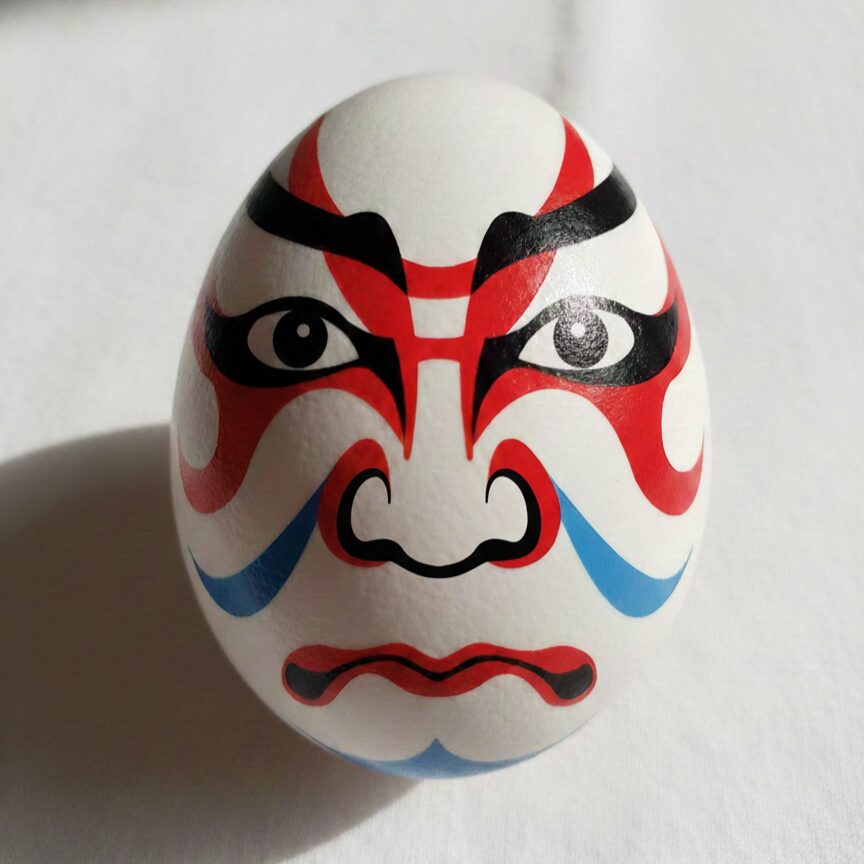
- Bold and aggressive aragoto-style heroes
- Calm and dignified noble figures
- Powerful enemy roles
- Elegant courtesans in dazzling costumes
This makes the play a perfect introduction to Kabuki, showcasing its traditional character types, exaggerated acting, and visual beauty all at once.
The stage often feels like a living picture scroll, filled with vivid colors, dramatic poses, and rhythmic dialogue.
A Celebratory Play That Lives On
Kotobuki Soga no Taimen represents the first step toward the Soga brothers’ famous revenge, while also serving as a joyful, auspicious performance.
For this reason, it is still frequently staged during:
- New Year performances
- Actor name-succession ceremonies
- Special commemorative productions
Even today, this play remains a symbol of tradition, spectacle, and celebration in Kabuki theatre.


コメント