



Cho-Kabuki Sekai no Hana Musubu Kotonoha: Story and Highlights of the Hatsune Miku Kabuki Spectacle
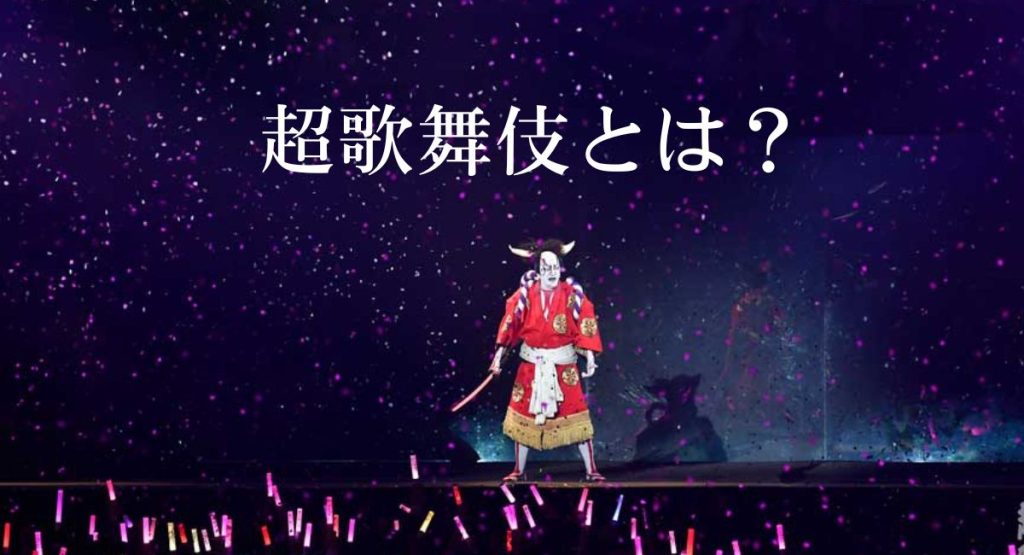
What Is Sekai no Hana Musubu Kotonoha? (Overview) Cho-Kabuki, born from the Niconico Chokaigi event at Makuhari Messe in April 2016, is a new form of theatrical entertainment that fuses classical Kabuki with cutting-edge technology. Usin...What Is Cho-Kabuki? A Guide to the New Kabuki Fused with Hatsune Miku: Highlights, Performances, and Why It Matters
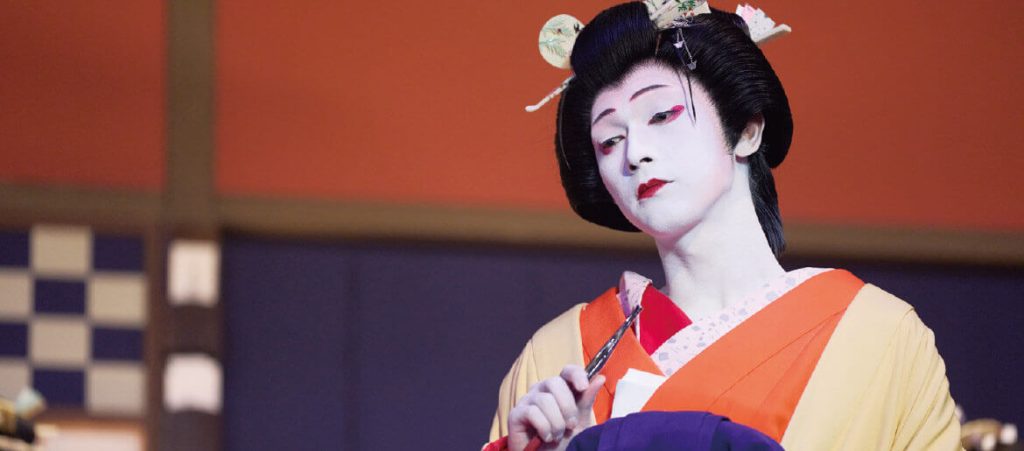
What Is Cho-Kabuki? If you think kabuki looks difficult or intimidating, Cho-Kabuki may completely change that impression. Cho-Kabuki is a modern form of kabuki that blends traditional Japanese theater, cutting-edge digital technology, a...Hatsune Miku Meets Cho-Kabuki: What Is Hanakurabe Senbon Zakura?
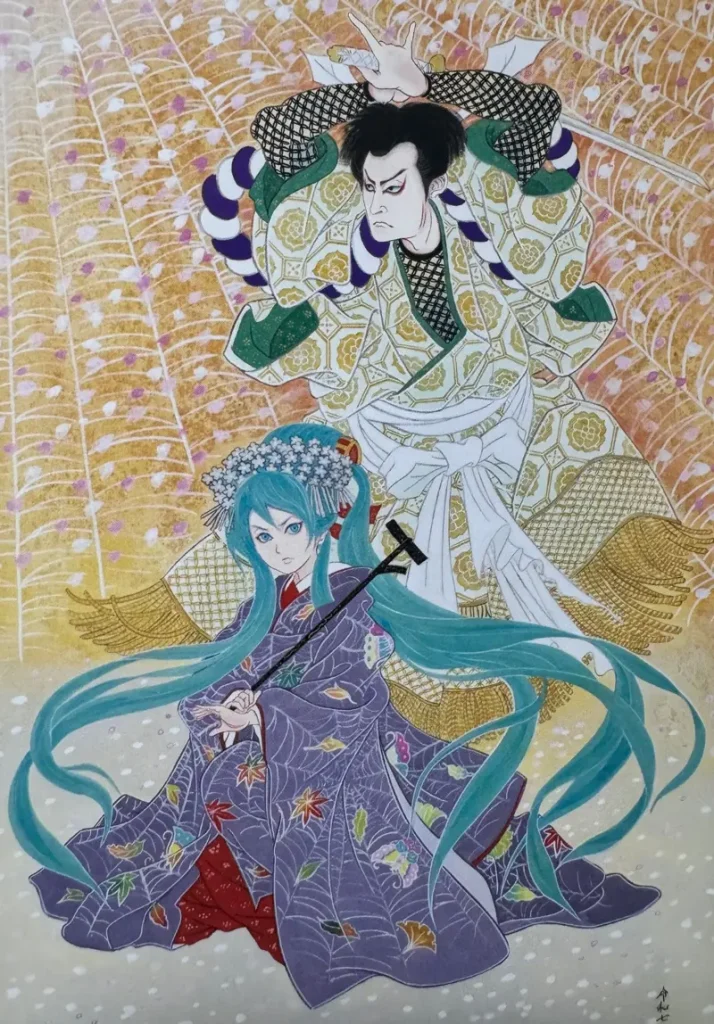
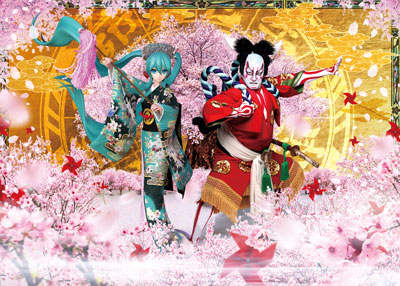
Hanakurabe Senbon Zakura (今昔饗宴千本桜) is a spectacular Cho-Kabuki production that combines the world of the classical Kabuki masterpiece Yoshitsune Senbon Zakura with the famous Vocaloid song Senbonzakura, featuring Hatsune Miku. Cho...When Will the Blu-ray & DVD of Kokuhō Be Released?[Latest 2026 Info] A Deep Dive from a Kabuki Fan’s Perspective
When will the Blu-ray and DVD of Kokuhō be released? As of March 2026, there has been no official announcement. However, due to the film’s extended theatrical run, a release in summer to autumn 2026 is widely expected. This article will ...Synopsis: Tsumoru Koi Yuki no Sekinoto (The Barrier Gate)
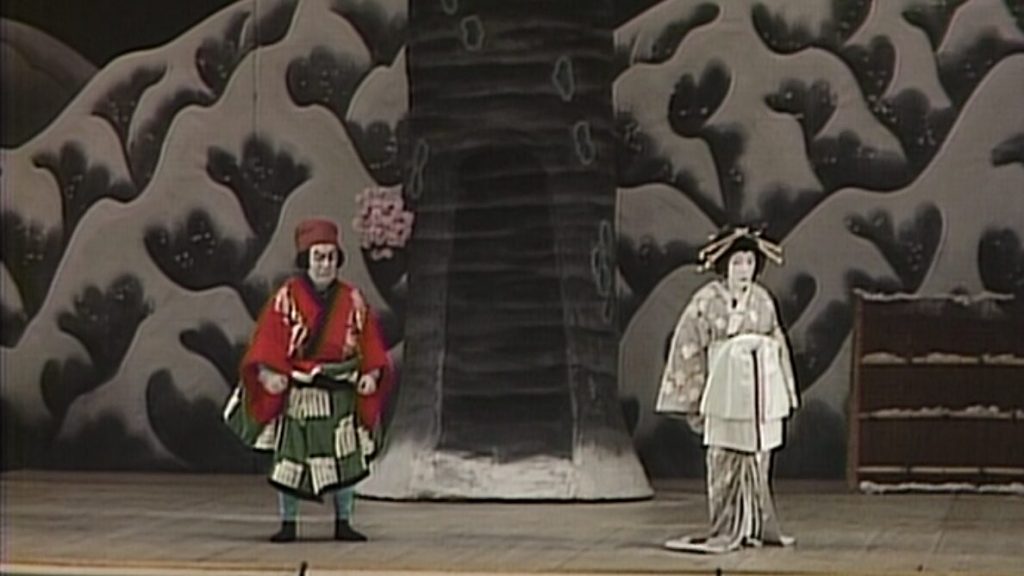
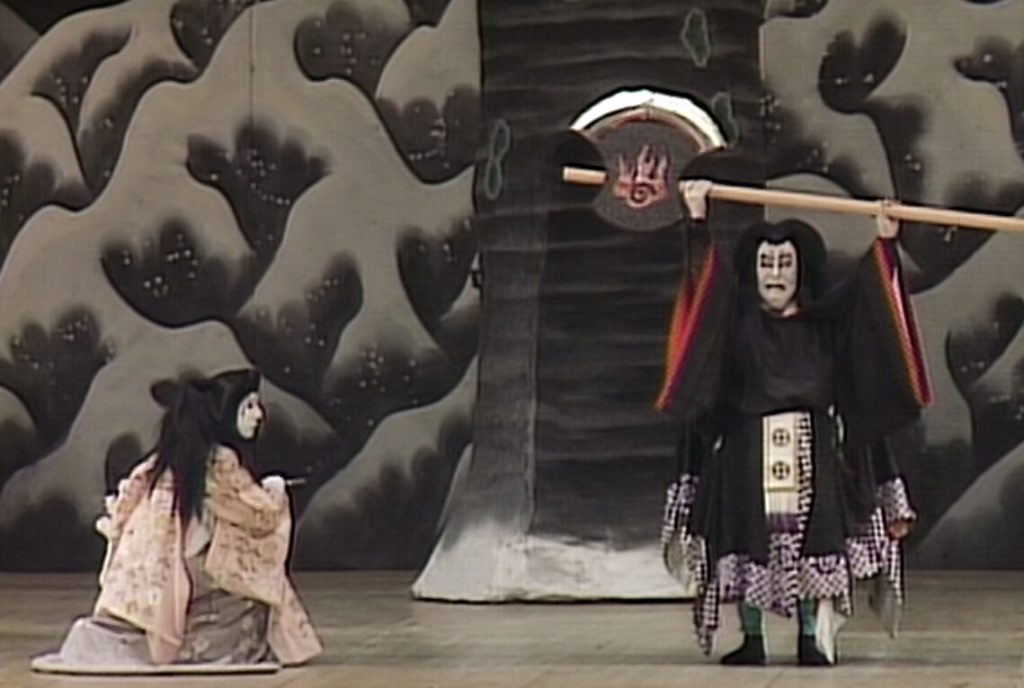
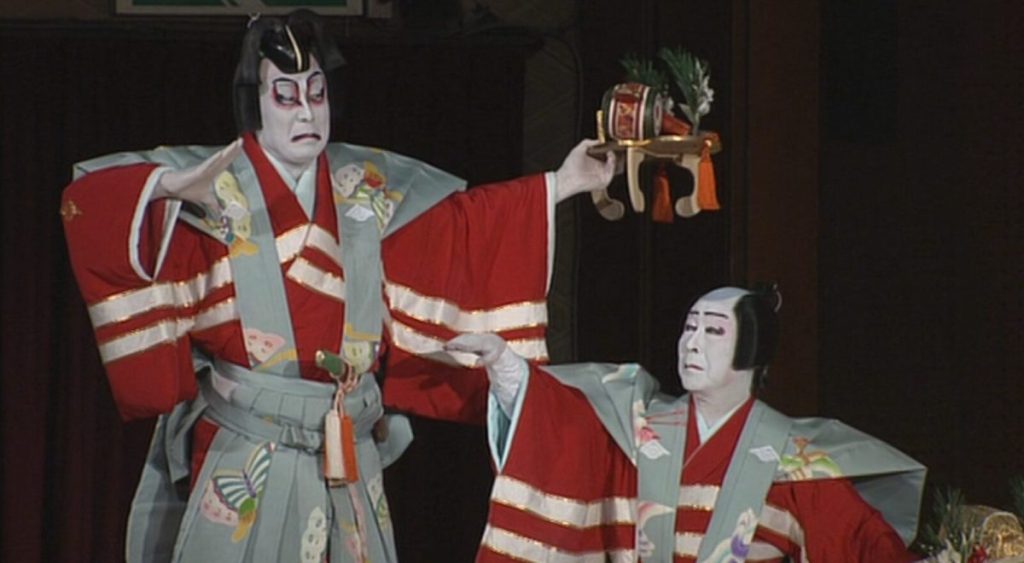
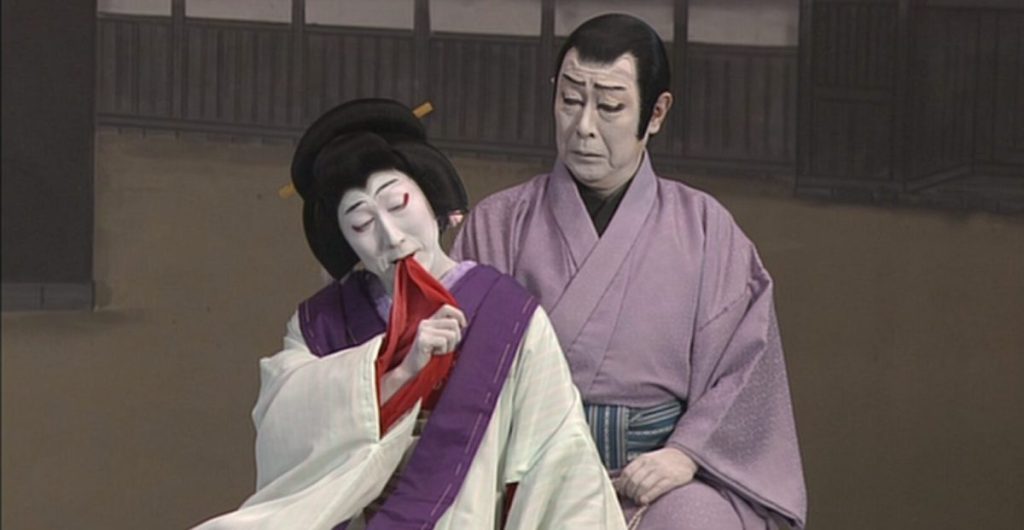
Introduction: What is "Sekinoto"? Tsumoru Koi Yuki no Sekinoto (often shortened to Sekinoto) is a celebrated masterpiece of Tokiwazu dance-drama. It was originally created as the grand finale (Ozumari) of a longer play titled Jujuhitoe K...Kabuki Play: Fuji Musume (The Wisteria Maiden)Explanation of Synopsis, Highlights, and Characters
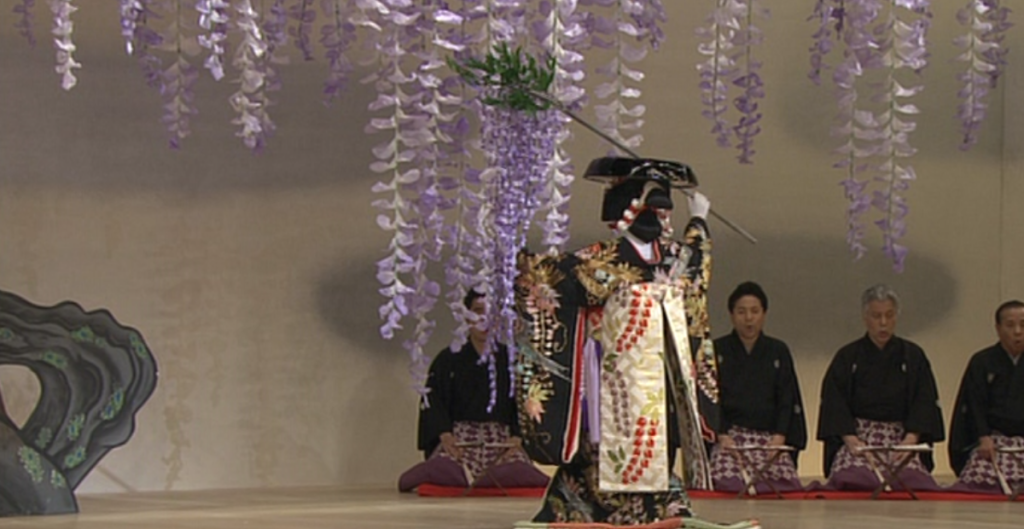
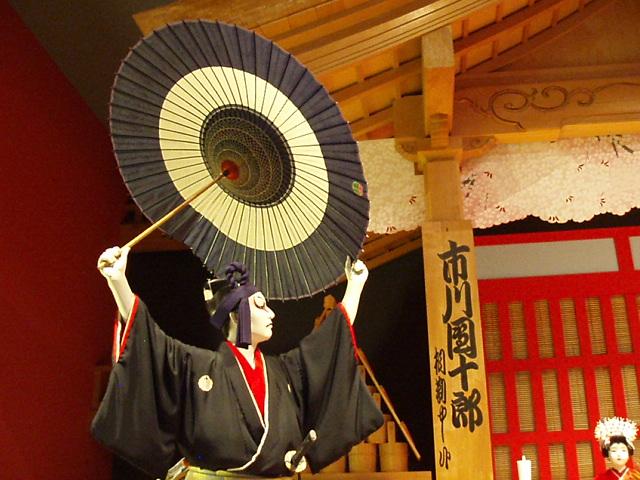
What is Fuji Musume? Fuji Musume is a masterpiece of Kabuki dance (Nihon Buyo) inspired by Otsu-e (folk pictures from Otsu). It depicts the spirit of a wisteria flower that transforms into a beautiful young maiden to dance elegantly, exp...From the Movie KOKUHO(National Treasure) to the World of Kabuki:
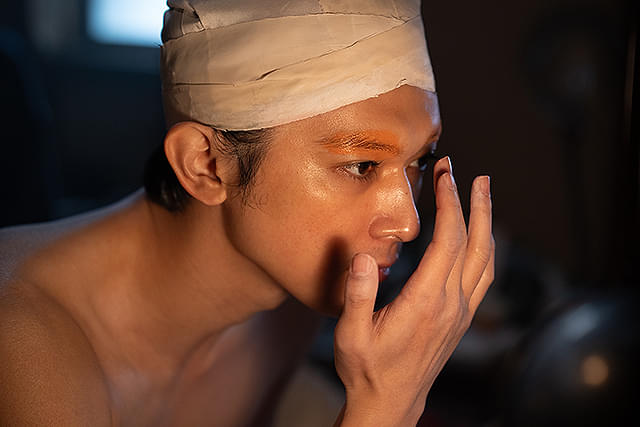
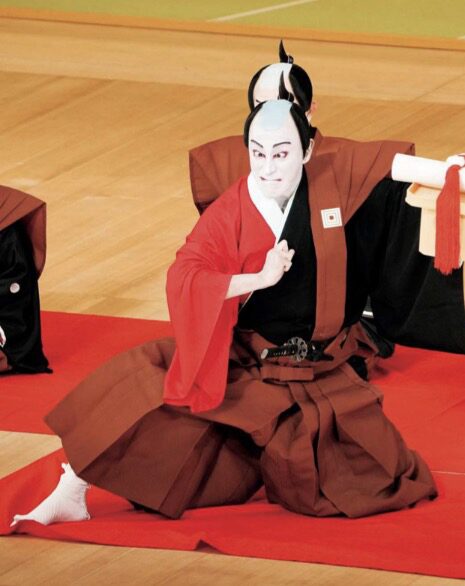
Tracing the Emotional Journey Through Featured Plays The movie KOKUHO, based on the novel by Shuichi Yoshida, is set in the world of Kabuki. It portrays the light and shadow of traditional performing arts—bloodlines, talent, effort, jeal...Explanation of the Famous Lines from “Tsumoru Koi Yuki no Sekinoto” featured in the Movie KOKUHO (National Treasure)
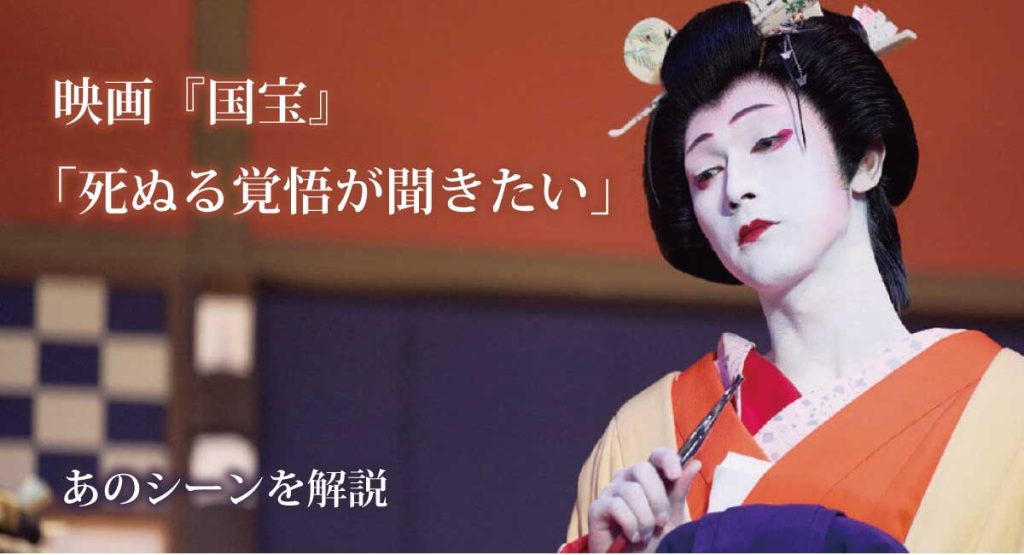
What is the meaning behind that scene? The Kabuki play "Tsumoru Koi Yuki no Sekinoto" (The Barrier Gate) is impressively depicted in the movie "KOKUHO." Specifically, the scene where Sekibei and Kikuo (acting as Sumizome) meet— "Aitasa-n...Why the Movie ‘National Treasure’ (Kokuhou) Changed its Kabuki Play to Sonezaki Shinju?
In Shuichi Yoshida’s masterpiece novel Kokuhou (National Treasure), one of the most surprising changes for fans in the film adaptation is the pivotal Kabuki play. The play that defines the fate of the protagonist, Kikuo (played by Ryo Yo...Explaining the Significance of “Sonezaki Shinju” in the Film KOKUHO (National Treasure): Why These Scenes Pierce the Heart
Introduction: In the movie Kokuho (National Treasure), the play "Sonezaki Shinju" (The Love Suicides at Sonezaki) leaves a powerful impression. While several Kabuki plays appear in the story, this masterpiece by Chikamatsu Monzaemon stan...