Wagoto in Kabuki: An Easy Explanation for Beginners
What Is Wagoto?
Wagoto in Kabuki is a performance style established in the Genroku period by the first Sakata Tōjūrō, who was active in the Kyoto–Osaka region. It portrays characters who struggle with love and duty, depicting their vulnerability and humanity in a realistic and delicate manner.
While aragoto focuses on superhuman heroes, wagoto brings the emotions and inner conflicts of ordinary people to the stage. Audiences are invited to identify with the characters’ feelings of love, hesitation, and suffering, becoming emotionally immersed in the story.
Performance and Expressive Features of Wagoto
The charm of wagoto lies not in flashy display, but in the depth of emotion that emerges through restrained and subtle expression.
Makeup and Costume
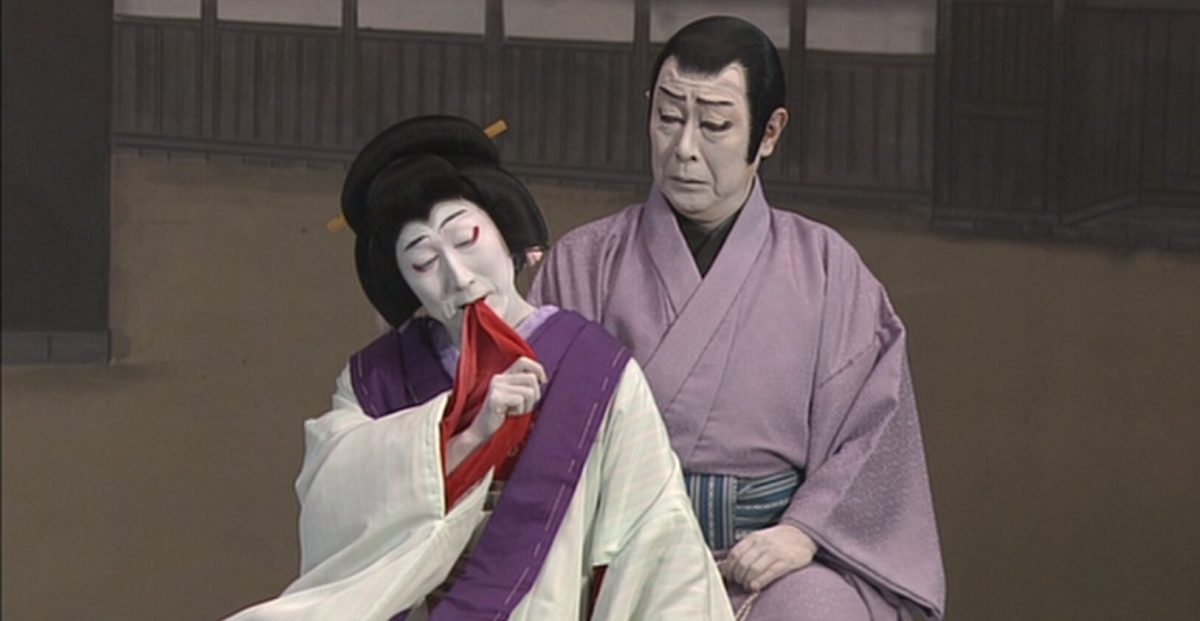
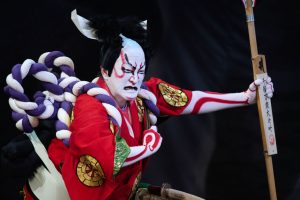
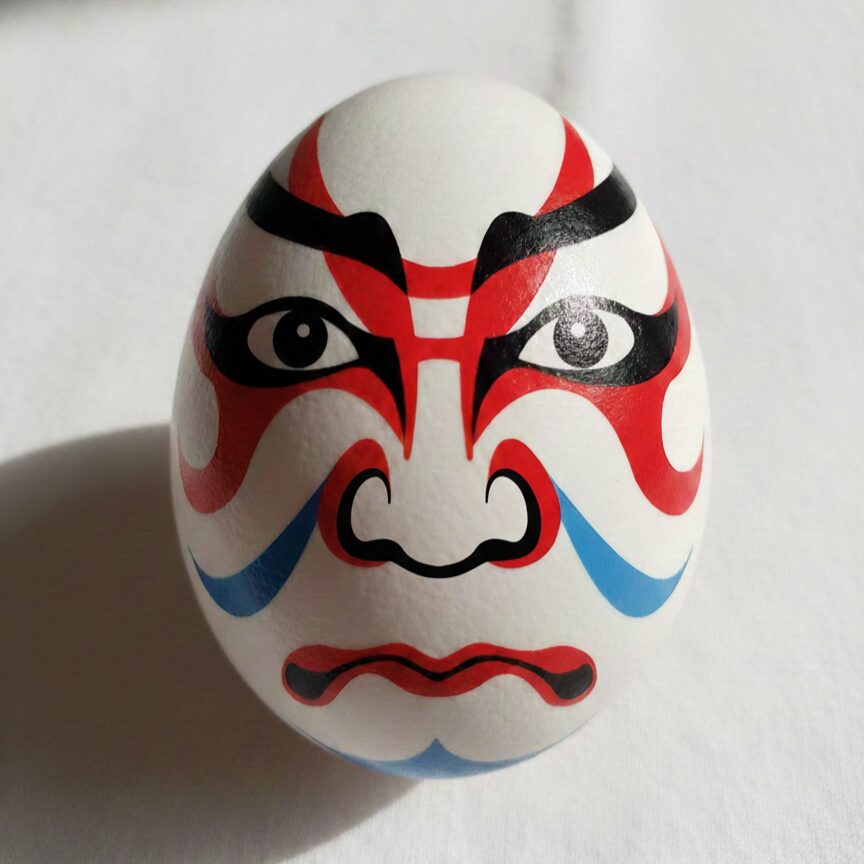
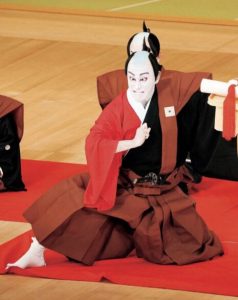
Unlike aragoto, wagoto does not use bold kumadori makeup. Instead, it features a soft, natural look based on a white foundation. The costumes are relatively light and simple, often resembling the everyday clothing of townspeople or young men, helping the audience perceive the characters as “ordinary human beings” much like themselves.
Movement and Gesture
Movements are not exaggerated. Emotions are conveyed through small gestures and meaningful pauses—a sleeve gently drawn back, a lowered gaze, a hesitant step forward. These delicate actions speak eloquently of love, conflict, and inner turmoil.
Voice and Delivery
The voice is gentle and conversational in tone.
Rather than projecting loudly, the actor communicates the character’s inner world through subtle changes in intonation and careful use of timing and silence.
Representative Plays
Classic examples of wagoto can be found in domestic dramas (sewamono) such as Sonezaki Shinjū and Meido no Hikyaku. These works portray townspeople driven to the edge by the conflict between love and social duty, depicted through delicate and nuanced psychological storytelling.
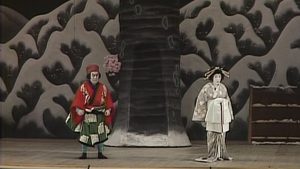
In Kabuki dance, the aesthetic of wagoto is also strongly reflected in pieces like Fuji Musume (“The Wisteria Maiden”), which express the charm and bittersweet emotions of a young girl in love.

Wagoto in Contrast with Aragoto
While aragoto is a bold, heroic style born in Edo,
wagoto is an elegant and deeply human style nurtured in the Kamigata region (Kyoto and Osaka).
Aragoto commands the stage through power and momentum,
whereas wagoto draws the audience in through the subtle movements of the heart.
This contrast is what gives Kabuki’s world of expression its depth and richness.
The Essence of Wagoto
Wagoto is a performance style that gently brings human vulnerability and beauty to the surface on stage.
Rather than relying on flashy effects, it reveals the depth of a character’s life and emotions through small details—shifting glances, a tremble in the voice, and the hesitant pauses in between.
If aragoto can be called a “beauty of power” that makes the heart race,
then wagoto is a “beauty of feeling” that quietly seeps into the heart.

It often portrays characters in pitiable circumstances or timid, soft-hearted romantic leads with a gentle, sometimes subtly humorous touch.
コメント