
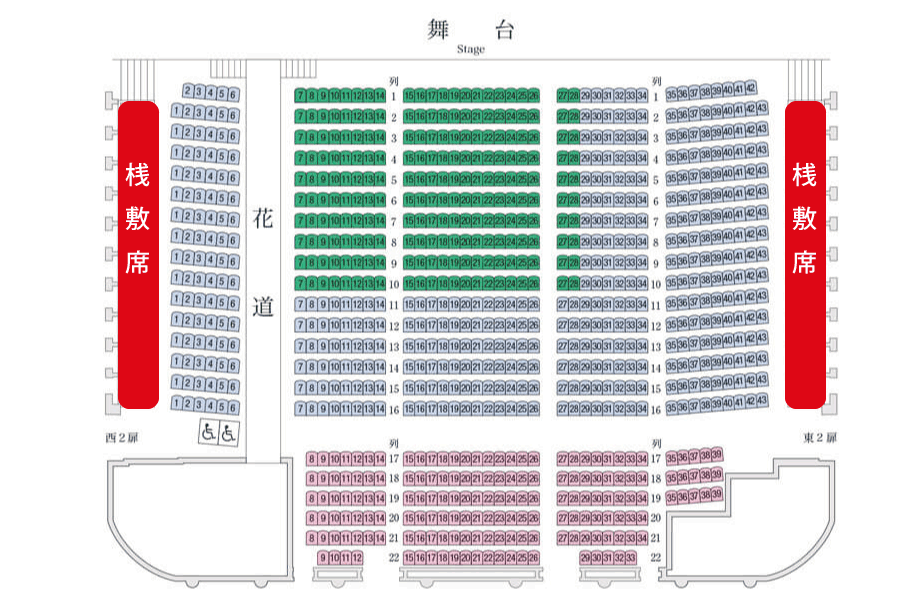
— A Complete Guide to Tochiri, Tenran, Sajiki, and Seats Along the Hanamichi —
“Which seat is the best when going to see Kabuki?”
This is a question we often hear, not only from first-time visitors but also from those who have attended performances several times.
In fact, each type of Kabuki seat offers a different view, experience, and is better suited to certain plays. Rather than a single “correct” choice, the key is to select your seat based on what you want to enjoy.
In this guide, we will introduce the most popular seats, highlighting their unique features and what makes each one recommended.
Tochiri Seats(とちり席) – The “Classic Best Seats” Favored by Kabuki Enthusiasts
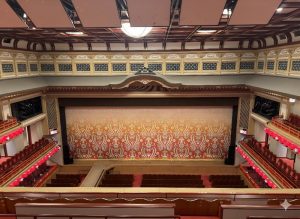
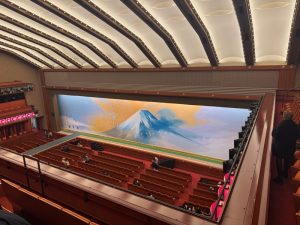
What is commonly referred to as the tochiri seat is typically located in the central block of the 7th to 9th rows on the first floor.
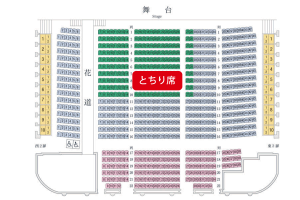
These seats are often chosen by regular patrons or fans of particular actors.
The name tochiri is a remnant of the old system, where seats were counted from the front using the iroha poem: “i, ro, ha, ni, ho, he, to, chi, ri, nu, ru…”
The Appeal of Tochiri Seats
- Offers an excellent view of the entire stage layout.
- Often aligns with the spots where actors strike their mie poses.
- Provides a comfortable distance that allows you to focus fully on the performance.
- Being slightly farther from the stage makes it easy to enjoy large props, stage fights, and ensemble dances in balance.
Points to Note
- If someone tall is seated in front of you, your view may be slightly obstructed.
- Even so, if you want a seat that is “hard to go wrong with,” tochiri seats are unquestionably recommended.
◆ Tenran Seats(天覧席) – Enjoy Clear Views and a Sense of “Specialness”
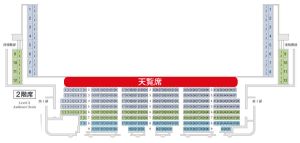
The tenran seats are famous for being the spots where the Emperor and Empress have watched performances. They are located in the front center of the second floor.
At Kyoto’s Minami-za, these are treated as special seats, with extra comfortable spacing.
Why Tenran Seats Are Appealing
- Unobstructed views of both the stage and the hanamichi (runway).
- Great for appreciating the depth and overall composition of dance performances.
- Actors sometimes make eye contact with this section.
- Especially for dance pieces, you can fully enjoy the “overall beauty” of the performance.
Many fans, when their favorite actor has a dance performance, choose the very front row of the second floor without hesitation.
◆ Kaburitsuki Seats(かぶりつき) – For Those Who Want to Feel the Actors Up Close
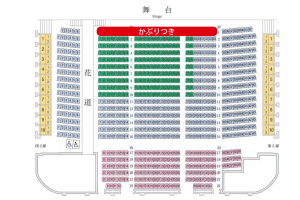
Kaburitsuki seats are typically located in the front center of the first floor.
The name comes from the time when real water (honmizu) is used in stage performances—plastic sheets are sometimes handed out to protect spectators from splashes!
Why Kaburitsuki Seats Are Amazing
- Incredible closeness—so near you can see the actors’ sweat and facial expressions.
- The impact of the mie poses is on another level.
- You can feel like you’re “immersed” in your favorite actor’s performance.
Things to Keep in Mind
- Depending on the theater, it can be hard to see the actors’ feet.
- It’s more difficult to take in the whole stage.
- Performances along the hanamichi may be hard to see if the actor doesn’t turn toward the front.
- These seats are best if your goal is to watch a specific actor rather than the whole play.
◆ Sajiki Seats(桟敷席) – Enjoy Kabuki in Style
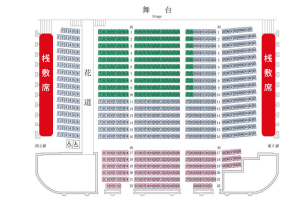
Sajiki seats are the dream seats many people hope to try at least once.
You can take off your shoes and relax while watching the performance, and with a built-in table, you can comfortably enjoy your boxed lunch during intermission.
Why Sajiki Seats Are Great
- Watch the performance in a relaxed, comfortable posture.
- Easy to enjoy a meal during intermission.
- Offers a sense of luxury at just 1,000–2,000 yen more than a first-class seat.
- Perfect if you’re bringing guests or want to fully enjoy the “Kabuki experience” itself.
A Few Drawbacks
- In the shimo-te (stage left) sajiki seats, actors’ mie poses at the 7–3 angle can be hard to see from directly behind.
- Slightly farther from the stage than other seats.
Even so, these seats are ideal for enjoying the overall atmosphere of Kabuki in comfort and style.
◆ Beside the Hanamichi (花道脇)– A “Connoisseur’s” Seat
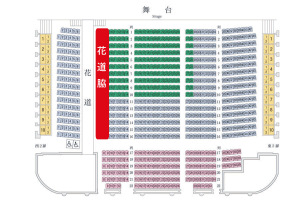
A bit more niche, but the seats right next to the hanamichi (around rows 2–6) are incredibly appealing.
Why Seats Beside the Hanamichi Are Special
- Feel the intensity of hanamichi scenes from directly below.
- Appreciate the intricate details of makeup and costumes up close.
- During plays with rokuhō (stepping in six directions), you can almost feel the breeze as actors pass right by.
- In some performances, you might even catch the subtle scent of incense, letting you experience Kabuki with all your senses.
◆ Dobu Seats (どぶ席(芸裏〈げいうら〉) – A “Connoisseur’s” Perspective
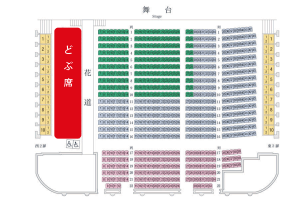
Dobu seats are formally called geiura and are located just outside the hanamichi.
At Kabuki-za, these correspond to the first-floor seats in front of the west sajiki, between the sajiki and the hanamichi.
Being on the first floor, you get a good view of the stage itself, but the main characteristic is that you often see the actors’ backs when they perform facing the audience along the hanamichi.
These seats aren’t ideal if you want to enjoy the famous hanamichi scenes head-on, but they’re perfect for those who appreciate the overall flow of the performance and the subtle moments when actors move from the hanamichi to the stage. Truly a seat for the seasoned Kabuki fan.
Summary – Choose Your Seat Based on What You Want to Enjoy
There’s no single “right” choice when it comes to Kabuki seating. What matters is what you want to get out of the experience:
- Want to appreciate the overall beauty? → Tochiri seats or Tenran seats
- Want to see your favorite actor up close? → Kaburitsuki seats or beside the Hanamichi
- Want to enjoy the atmosphere? → Sajiki seats
Even for the same play, your experience can change completely depending on your seat. That’s part of the magic of watching Kabuki.
Next time you go, be sure to enjoy choosing your seat as part of the experience!
コメント