Plays & Stories– category –
Plays & Stories
Explore the plots and background of Kabuki plays, from timeless classics to seasonal performances. This section offers easy-to-understand summaries, key highlights, and insights to help you enjoy each production more deeply—whether it’s your first time at the theater or you’re already a devoted fan.
-

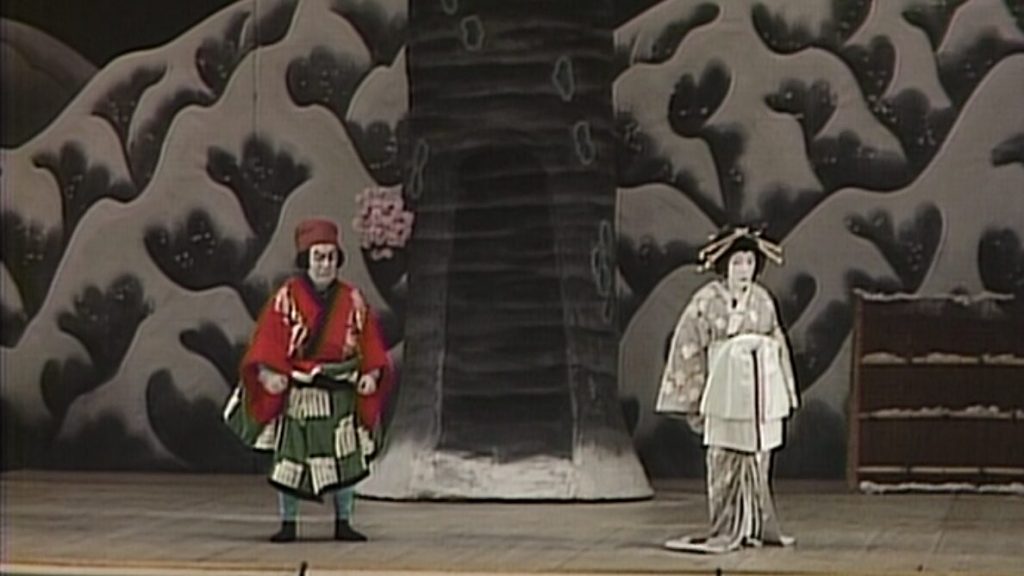
Synopsis: Tsumoru Koi Yuki no Sekinoto (The Barrier Gate)
Introduction: What is "Sekinoto"? Tsumoru Koi Yuki no Sekinoto (often shortened to Sekinoto) is a celebrated masterpiece of Tokiwazu dance-drama. It was originally created as the grand finale (Ozumari) of a longer play titled Jujuhitoe K... -
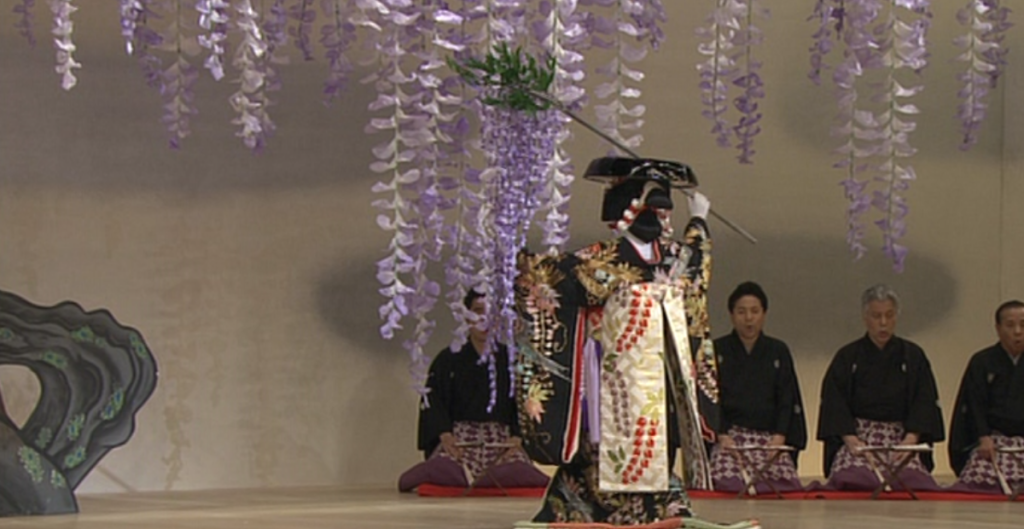
Kabuki Play: Fuji Musume (The Wisteria Maiden)Explanation of Synopsis, Highlights, and Characters
What is Fuji Musume? Fuji Musume is a masterpiece of Kabuki dance (Nihon Buyo) inspired by Otsu-e (folk pictures from Otsu). It depicts the spirit of a wisteria flower that transforms into a beautiful young maiden to dance elegantly, exp... -
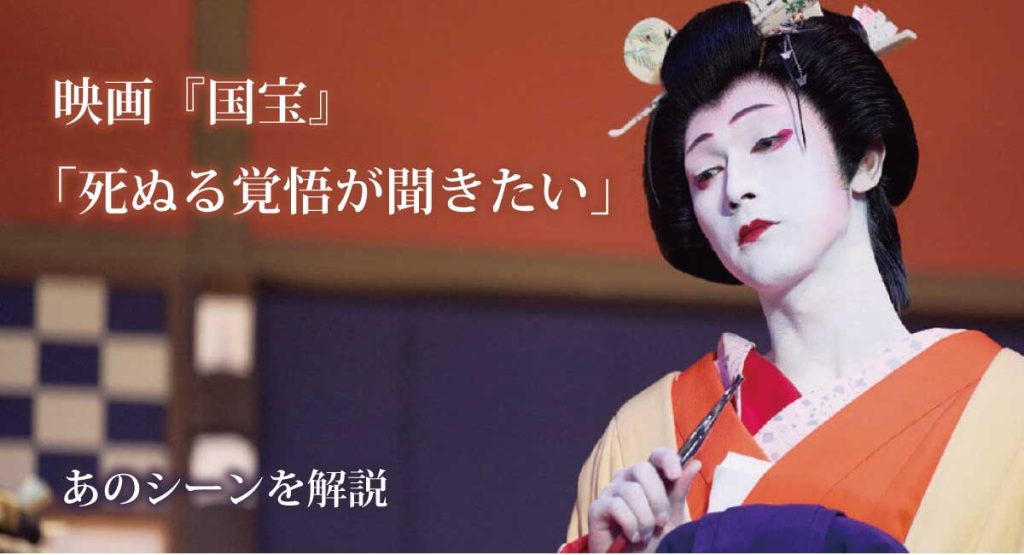
Explaining the Significance of “Sonezaki Shinju” in the Film KOKUHO (National Treasure): Why These Scenes Pierce the Heart
Introduction: In the movie Kokuho (National Treasure), the play "Sonezaki Shinju" (The Love Suicides at Sonezaki) leaves a powerful impression. While several Kabuki plays appear in the story, this masterpiece by Chikamatsu Monzaemon stan... -
Renjishi”連獅子” Kabuki: Story, Meaning, and the Famous Lion Dance Explained
What is Renjishi? Renjishi is one of the most famous Kabuki dance performances in Japan.It is based on an old legend and tells a simple yet powerful story about a parent testing a child so that they may grow stronger. Unlike Western thea... -
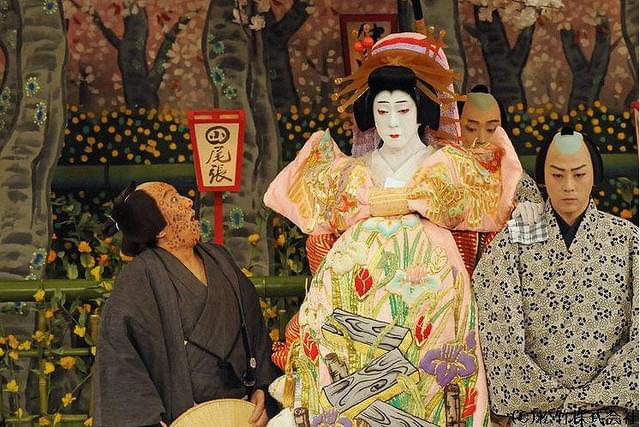
Kago-tsurube Sato no Eizame(籠釣瓶花街酔醒):A Classic Kabuki Tragedy Explained
Kago-tsurube Sato no Eizame(籠釣瓶花街酔醒):A Classic Kabuki Tragedy Explained A Beginner-Friendly Overview of a Famous Kabuki Tragedy Kago-tsurube Sato no Eizame is one of the most famous tragic plays in Kabuki, based on a real incid... -
The “Dōmyōji (道明寺の段)” Scene — What Is Sugawara Denju Tenarai Kagami?
Dōmyōji no dan — Sugawara Denju Tenarai Kagami The “Dōmyōji Scene” is a highly lyrical and fantastical episode depicting the sorrow of those parting from Sugawara no Michizane as he is exiled to Dazaifu, along with a miraculous act of su... -
What is the Kabuki Play Kyōganoko Musume Dōjōji(京鹿子娘道成寺)?
What is Kyōganoko Musume Dōjōji? Kyōganoko Musume Dōjōji (often shortened to Musume Dōjōji) is one of the most prestigious and refined dance-dramas (mai) in Kabuki. It represents the pinnacle of onnagata (male actors specializing in fema... -
The “Terakoya no dan(寺子屋の段)” Scene — What Is Sugawara Denju Tenarai Kagami?
A terakoya was a private elementary school for commoners in Japan during the Edo period (17th–19th centuries). Terakoya no dan— Sugawara Denju Tenarai Kagami Set in a small village school in Seriō, on the outskirts of Kyoto, this scene i... -
What is Kanjinchō(勧進帳) from the “Kabuki Jūhachiban”?
Kanjinchō” is one of the plays in the famous “Kabuki Jūhachiban” repertoire. What is Kanjinchō from the “Kabuki Jūhachiban”? | Overview of the Play Kanjinchō is one of the most celebrated plays counted among the “Kabuki Jūhachiban” (Eigh... -
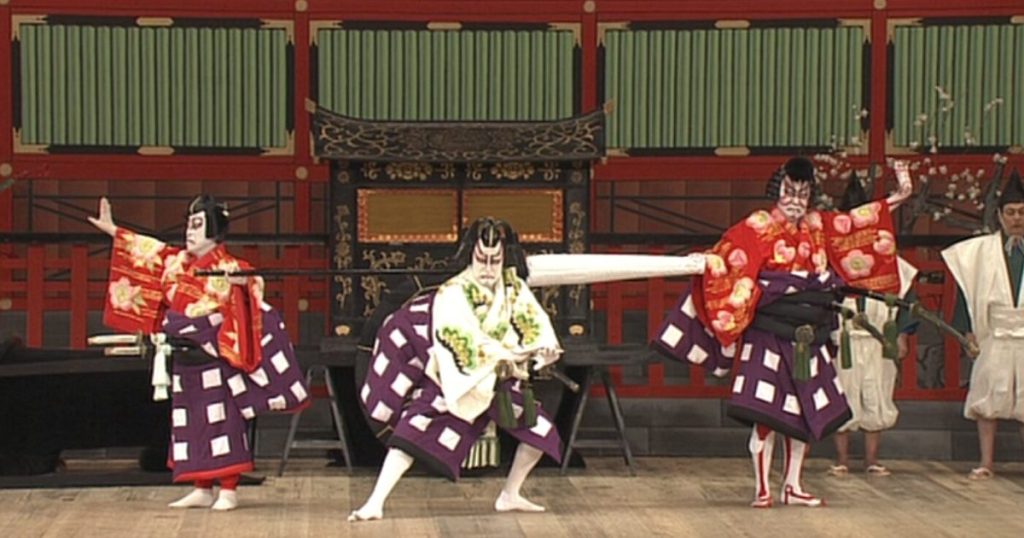
“Kuruma-biki no dan(車引の段)” — Sugawara Denju Tenarai Kagami
Kuruma-biki no dan(車引の段) — Sugawara Denju Tenarai Kagami “Kuruma-biki” is one of the most celebrated aragoto (bold, heroic-style) scenes in the first half of Sugawara Denju Tenarai Kagami. It vividly conveys the injustice of the wor...



12