Want to try kabuki, but not sure which play to start with? Kabuki’s repertoire is huge — from easy, crowd-pleasing spectacles to plays built entirely on heavy human drama. And thanks to the movie KOKUHO, more people than ever are curious about this world for the first time.
This guide ranks 10 plays that work for everyone from total beginners to seasoned fans — and for KOKUHO fans looking to go deeper.
(If you’re asking “what even is kabuki?” in the first place, our beginner’s introduction is worth a quick read first.)
目次
Quick Comparison
Play
Character
Best For
Shibaraku
Heroic spectacle
Absolute beginners
Ninin Dōjōji
Non-verbal dance
International visitors, beginners
Renjishi
Tension-driven
Intermediate viewers
Yoshitsune Senbon Zakura: Torii-mae
Dramatic pacing
Beginners
Kuruma-biki
Stylized beauty
Beginners
Sukeroku
Edo style and bravado
Connoisseurs
Sonezaki Shinju
Tragic romance
Emotionally driven viewers
Kuruwa Bunsho: Yoshidaya
Romance
Empathy-driven viewers
Tsumoru Koi Yuki no Sekinoto
Beauty and obsession
KOKUHO fans
Ninin Dōjōji
Madness and beauty
KOKUHO fans
How We Ranked These
Kabuki has so many plays that the one you pick genuinely changes how much you enjoy your first visit. Pick the wrong fit as a beginner, and it’s easy to walk away thinking “that was confusing” rather than “that was incredible.” So instead of ranking by fame alone, we judged each play on three things:
Is it easy for a first-timer to follow?
Does it leave you satisfied after watching?
Does it feel distinctly, unmistakably kabuki?
Short on time? Here’s the bottom line:
First time ever → Shibaraku
Want raw emotion → Sonezaki Shinju
Want pure visual beauty → Ninin Dōjōji
The Ranking: 10 Kabuki Plays Worth Watching
#10: Kuruma-biki (Sugawara Denju Tenarai Kagami)
A conflict between three brothers, condensed into one of kabuki’s most stylistically perfect scenes.
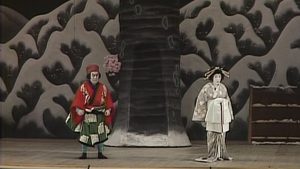
A fast-moving, story-driven scene depicting Yoshitsune’s parting with Shizuka Gozen at Fushimi Inari, capped by a spectacular fox-transformation exit by Satō Tadanobu.
#8: Kuruwa Bunsho: Yoshidaya
A “pleasure quarter” play about a romance that keeps missing its timing — quiet, human, and deeply relatable.
あわせて読みたい
Kuruwa Bunsho(廓文章):Love and Tears in Edo!Kuruwa Bunsho: Yoshidaya tells the tragic, beautiful romance between the courtesan Yugiri and merchant heir Izaemon in Edo-period Osaka.
あわせて読みたい
Kuruwa Bunsho(廓文章):Love and Tears in Edo!Kuruwa Bunsho: Yoshidaya tells the tragic, beautiful romance between the courtesan Yugiri and merchant heir Izaemon in Edo-period Osaka.
#7: Sonezaki Shinju
Kabuki’s defining “love suicide” play — a story of love and death that remains one of the art form’s most emotionally powerful works.
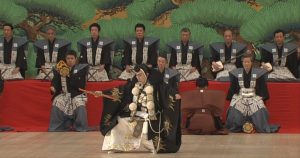
A masterpiece of tension and psychological maneuvering, and one of the most celebrated of the Kabuki Jūhachiban.
あわせて読みたい
What is Kanjinchō(勧進帳) from the “Kabuki Jūhachiban”?Kanjinchō” is one of the plays in the famous “Kabuki Jūhachiban” repertoire. What is Kanjinchō from the “Kabuki Jūhachiban”? | Overview of the Play Kanjinchō…
あわせて読みたい
What is Kanjinchō(勧進帳) from the “Kabuki Jūhachiban”?Kanjinchō” is one of the plays in the famous “Kabuki Jūhachiban” repertoire. What is Kanjinchō from the “Kabuki Jūhachiban”? | Overview of the Play Kanjinchō…
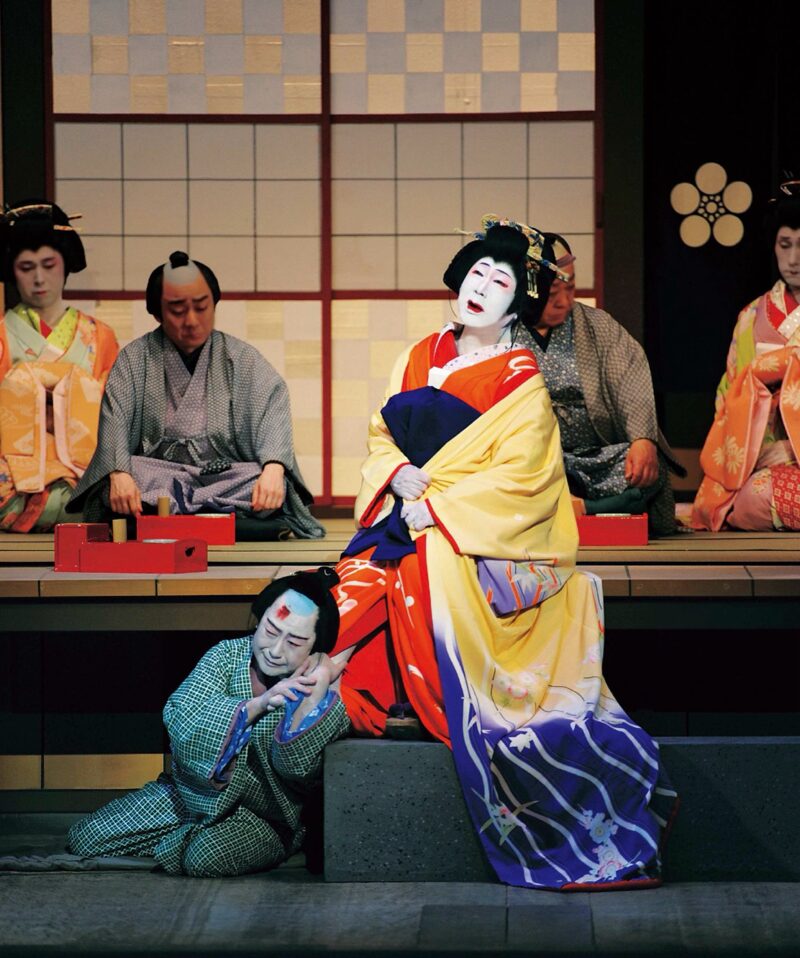
#4: Tsumoru Koi Yuki no Sekinoto
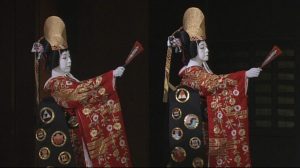
A striking dance-drama where obsession hides just beneath the surface of beauty — a KOKUHO favorite.
If you were drawn in by KOKUHO’s heavy themes — bloodline, talent, jealousy, obsession — kabuki has plays that transform that same human intensity into art. We’ve ranked our top 3 picks for KOKUHO fans specifically:
あわせて読みたい
Top 3 Kabuki Plays for KOKUHO Movie FansLoved the movie KOKUHO? These 3 real kabuki plays share its themes of beauty, obsession, and art — ranked, with a beginner-friendly pick.
Frequently Asked Questions
I’ve genuinely never seen kabuki before — what should I watch first?
Shibaraku. It’s visually spectacular, easy to follow even with zero background, and specifically designed to deliver an instant, satisfying payoff for first-time audiences.
I don’t understand Japanese — which plays work best for me?
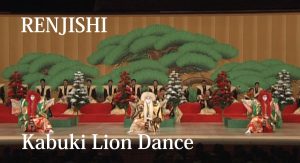
Dance-driven, largely non-verbal pieces like Renjishi and Ninin Dōjōji communicate almost entirely through movement, music, and visual spectacle, making them easy to follow regardless of language.
How were these plays ranked?
Based on three factors: how easy the play is for a first-timer to follow, how satisfying it feels afterward, and how distinctly it captures kabuki’s unique appeal — not simply by fame alone.
Summary
Kabuki offers everything from easy, crowd-pleasing spectacle to deep human drama and pure visual beauty. The 10 plays above represent some of its most essential, reliably rewarding works.
If you’re still unsure where to start, begin with Shibaraku — then follow your curiosity from there.
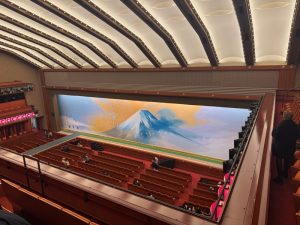
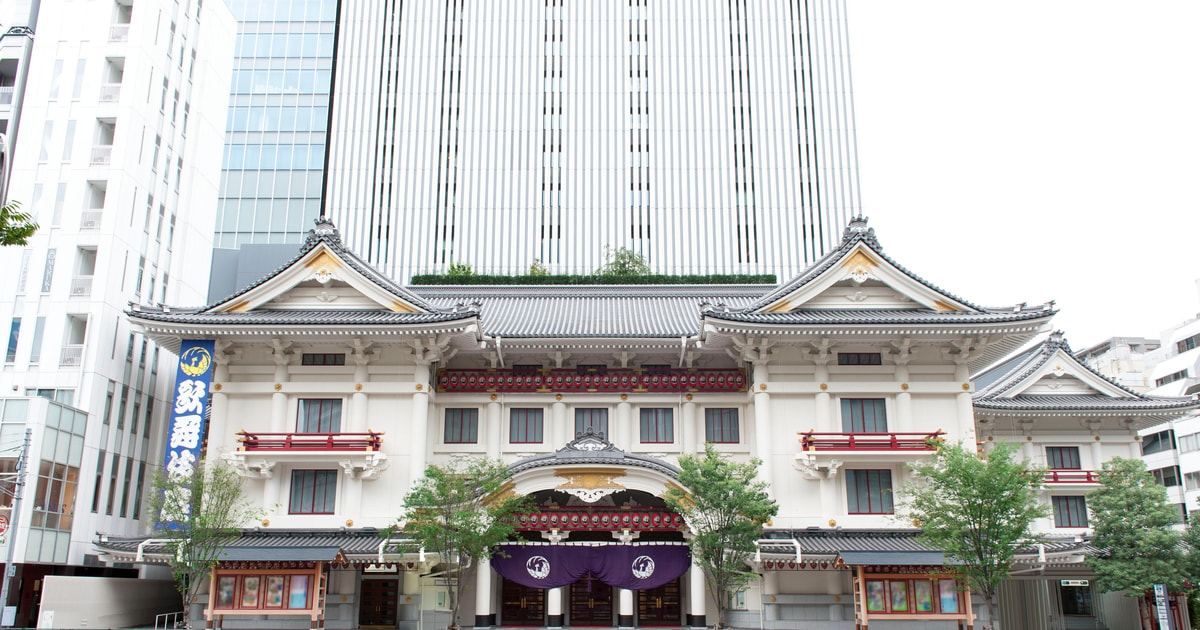
If you’re planning a trip to Tokyo, Kabuki-za is one of the most memorable ways to experience Japanese culture firsthand. GetYourGuide offers English-friendly Kabuki-za tickets and guided experiences, including options with headset translation and pre-show introductions for first-time viewers.









コメント