2026年7月– date –
-

How to Watch KOKUHO Outside Japan: Streaming, Theaters, and Blu-ray Options
KOKUHO streams exclusively on Amazon Prime Video in Japan. Here's the current, honest picture for international audiences — theatrical releases, streaming status, and the December 2026 Blu-ray. -
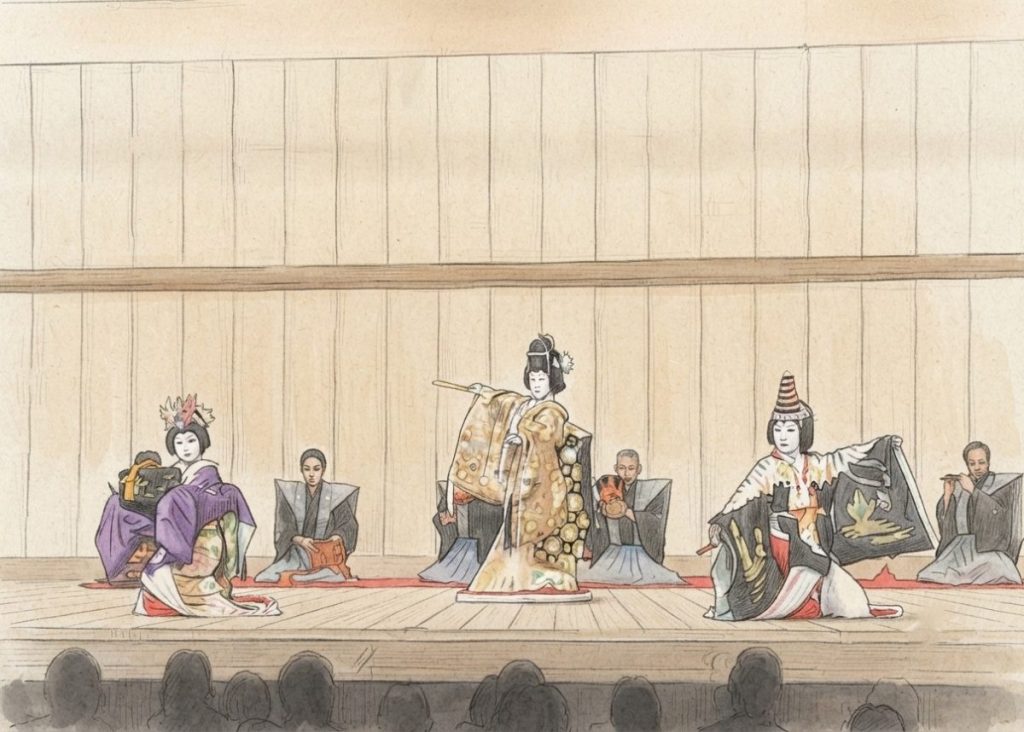
Hinazuru Sanbasō Explained: Kabuki’s Gentle, Feminine Sanbasō
Hinazuru Sanbasō is one of the oldest nagauta sanbasō dances, prized for its soft, feminine grace in contrast to the powerful Kotobuki Shiki Sanbasō. See its history, structure, and 2026 Shūzan-sai cast. -
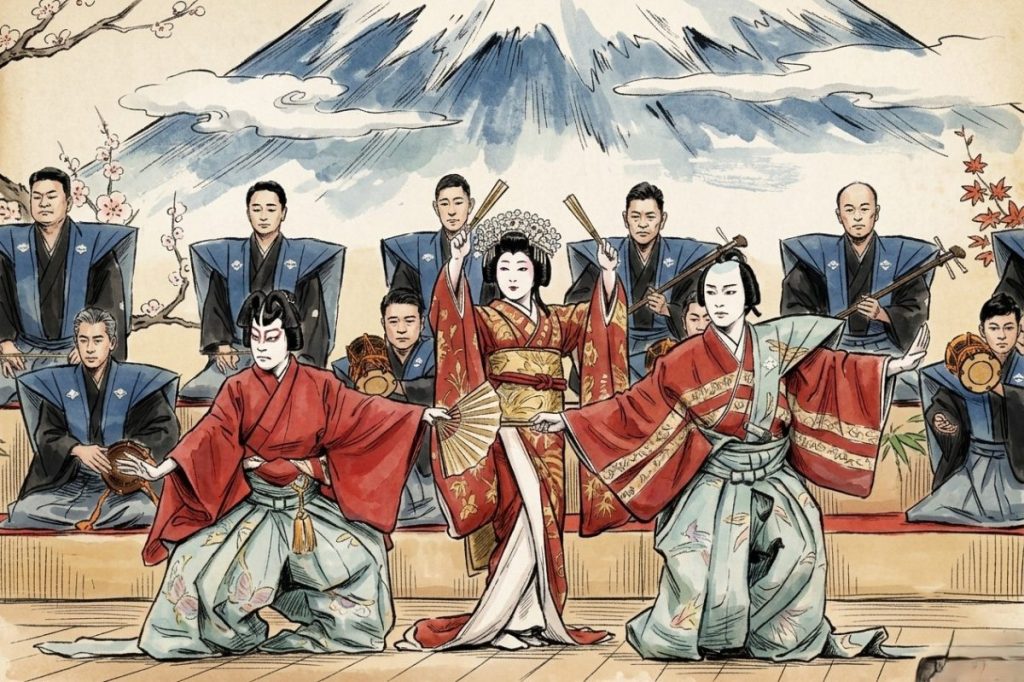
Shunchō Musume Nanakusa Explained|Aragoto, Wagoto, and Onnagata in One Dance
A New Year's herb-cutting ceremony becomes a showcase of kabuki's three core performance styles — aragoto, wagoto, and onnagata — side by side in one festive nagauta dance. -
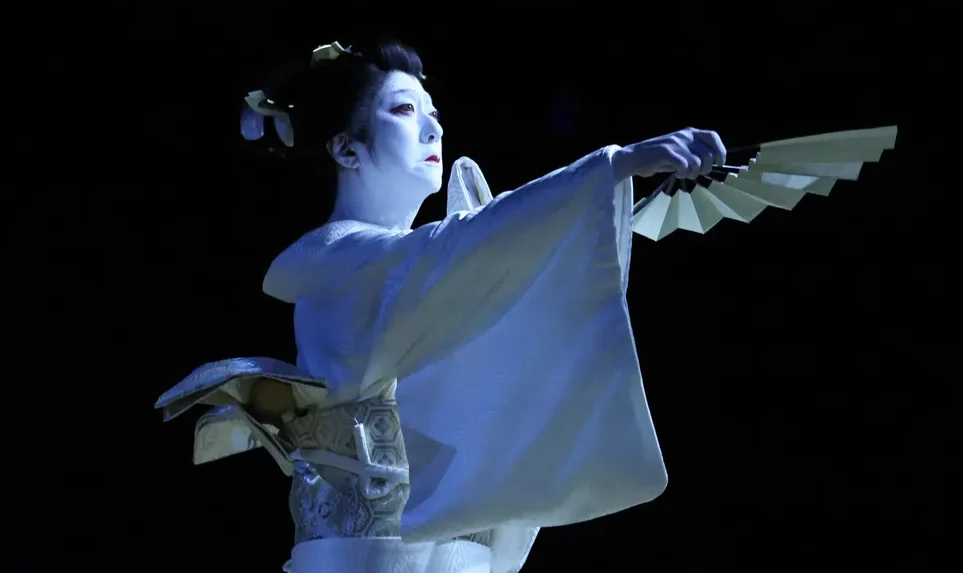
Zangetsu Explained|A Jiuta-Mai Elegy for the Moon and the Dead
Zangetsu is a jiuta-mai memorial dance composed for a young woman who died too soon, using the image of the setting moon to hold space for grief. What the piece means and why it endures. -
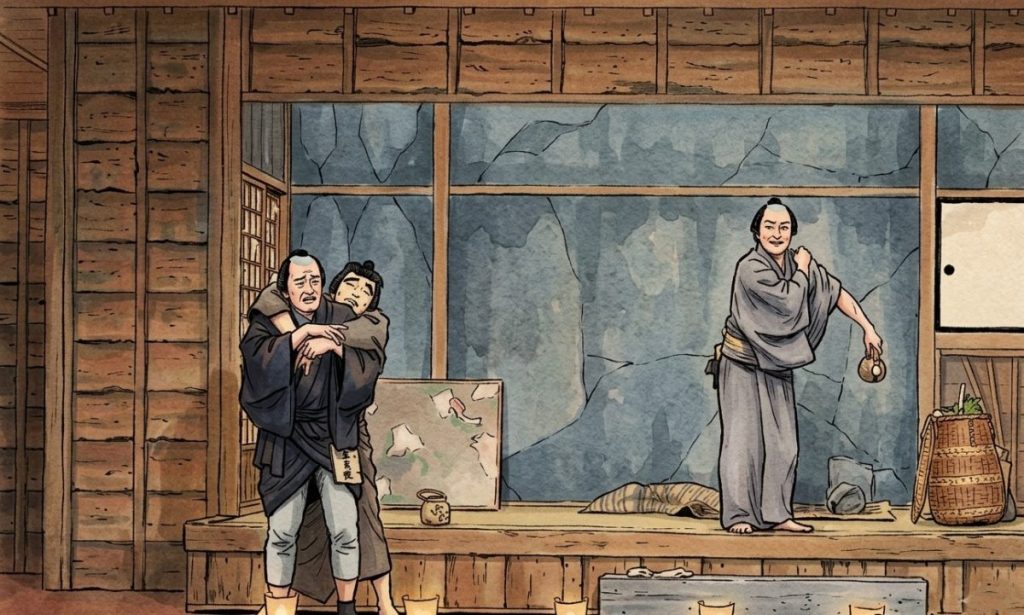
Nemuru Rakuda Monogatari (Rakuda) Explained|A Rakugo Classic on the Kabuki Stage
Rakuda turns a beloved rakugo comedy into a full kabuki ensemble piece — a timid man dragged into chaos over a dead troublemaker's funeral, and the boldness he discovers along the way. -
How Kabuki Makeup Is Actually Applied: A Step-by-Step Look at Kumadori
Kabuki actors apply their own kumadori makeup by hand, blending pigment with bare fingertips in a ritual that can take over an hour. Here's what the process actually looks like. -
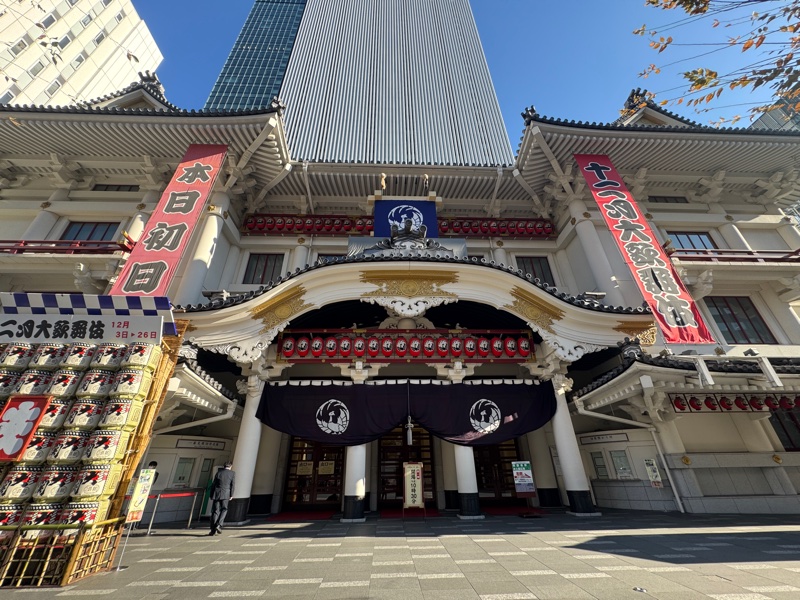
Kabukiza Programs & Makumi Picks: What to Watch, Act by Act
A living guide to Kabukiza's currently confirmed programs, updated regularly — what's playing each month, act by act, and which single act to pick for a makumi (single-act) visit. -
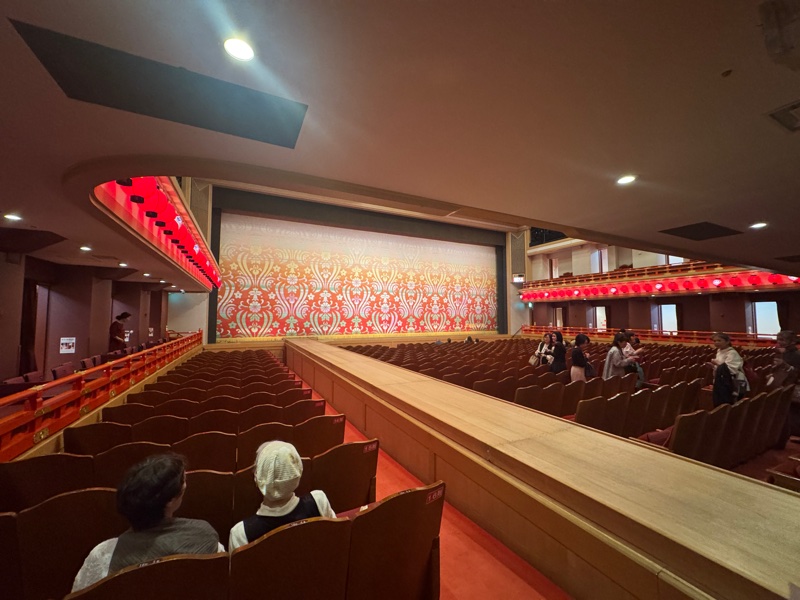
Kabukiza Wheelchair Guide: Reservations, Seating, and What to Know
Kabukiza has a dedicated wheelchair viewing space bookable by phone. A complete guide to reservations, seating location, facilities, and what to confirm before your visit, based on official Shochiku information. -
What Is Shinju? The Double Suicide Genre Behind Kabuki’s Great Tragedies
Shinju, kabuki's double-suicide genre, turned lovers' deaths into acts of devotion — and became so powerful it reshaped real behavior in Edo-period Japan. What the word means and where it came from. -
Kabuki Words You Already Know: Everyday Language With Kabuki Origins
From "kuromaku" and "nimaime" in Japanese to "kabuki theater" as English political shorthand, several everyday words trace directly back to backstage kabuki practice.