Kabuki Basics & FAQ– category –
-

What Do the Different Curtain Colors in Kabuki Mean?
Kabuki uses several distinct curtains, each with its own purpose: the striped jōshiki-maku, the sudden-drop asagi-maku, and the ceremonial dontyō. Here's how to read them. -
Can Foreigners Become Kabuki Actors?
Professional kabuki runs almost entirely through hereditary acting families, making it effectively closed to outsiders — Japanese and foreign alike. Here's what's actually open to non-Japanese performers. -
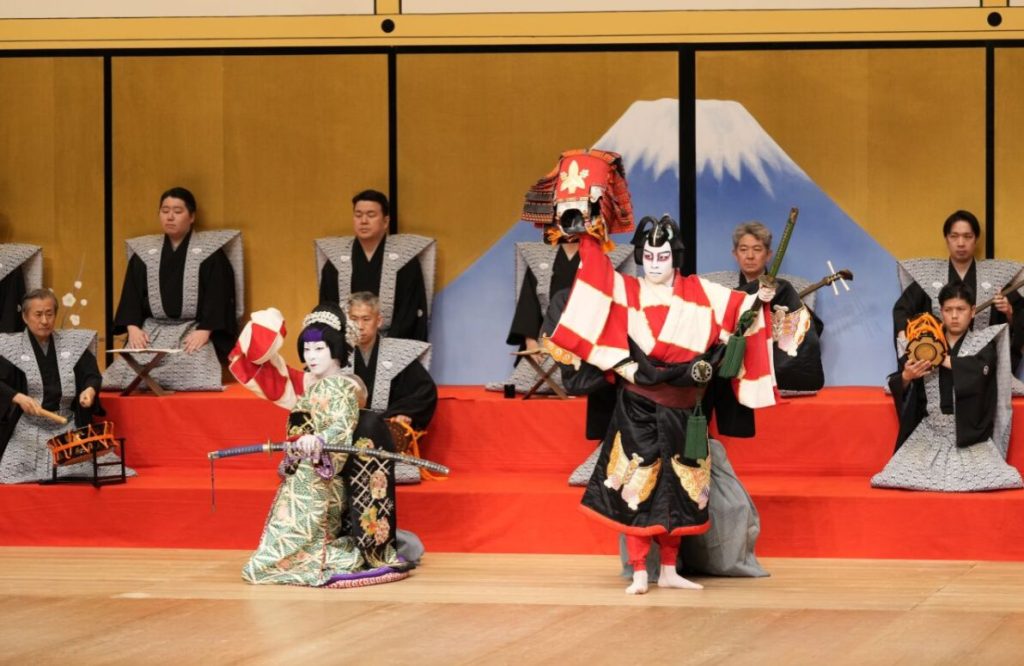
What Is Shosagoto? Kabuki’s Term for Movement-Driven Storytelling
Shosagoto is kabuki's specific term for pieces that tell their story through movement and music rather than dialogue. Here's how it differs from buyō and why it's worth knowing. -
Do Kabuki Actors Ever Improvise or Break Character?
Kabuki is built on inherited, codified form — but a few genuine, sanctioned exceptions let actors improvise, from a nightly ad-libbed comic monologue to deeply personal name-succession speeches. -
Do Onnagata Actors Live as Women Offstage? Separating Fact from Myth
Modern onnagata actors don't live as women offstage — but a striking piece of Edo-period theatrical philosophy once argued they should. Here's where the myth comes from. -
Kabuki Words You Already Know: Everyday Language With Kabuki Origins
From "kuromaku" and "nimaime" in Japanese to "kabuki theater" as English political shorthand, several everyday words trace directly back to backstage kabuki practice. -
What Is Kabuki? A Complete Beginner’s Guide
Kabuki is a nearly 400-year-old Japanese theatrical art built on bold spectacle and inherited technique. A complete starting-point guide to what it is, where it came from, and how to start watching. -
A Beginner’s Glossary: 20 Kabuki Terms Explained in Plain English
Twenty essential kabuki terms, each defined in a single line — a quick-reference cheat sheet to review before your next performance, with links to deeper guides on each. -
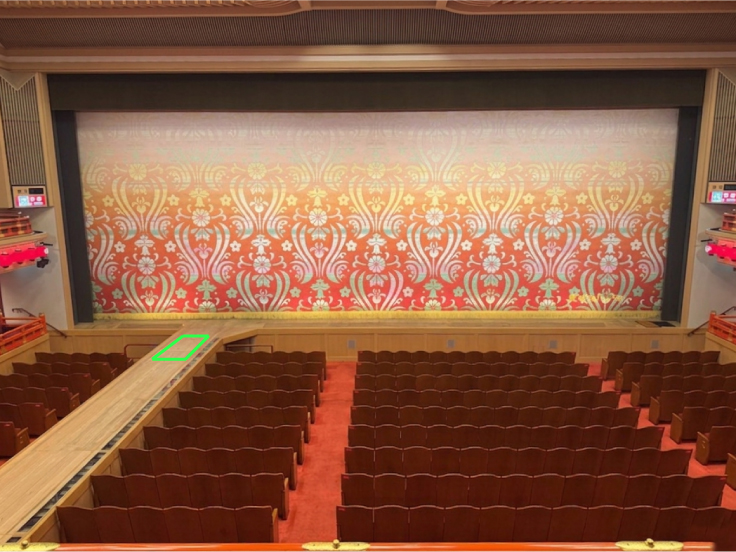
The Hanamichi Deep Dive: Kabuki’s Runway, Shichi-San, and the Suppon Trapdoor
A closer look at kabuki's signature runway stage — the shichi-san point where mie poses land hardest, the suppon trapdoor reserved for spirits, and the roppō exits that close out a scene. -
What Is Tōzai-goe? The Traditional Call That Opens Kabuki Performances
Tozai-goe is the traditional 'east-west' call announcing a kabuki performance, with strict rules on timing, count, and tone.