
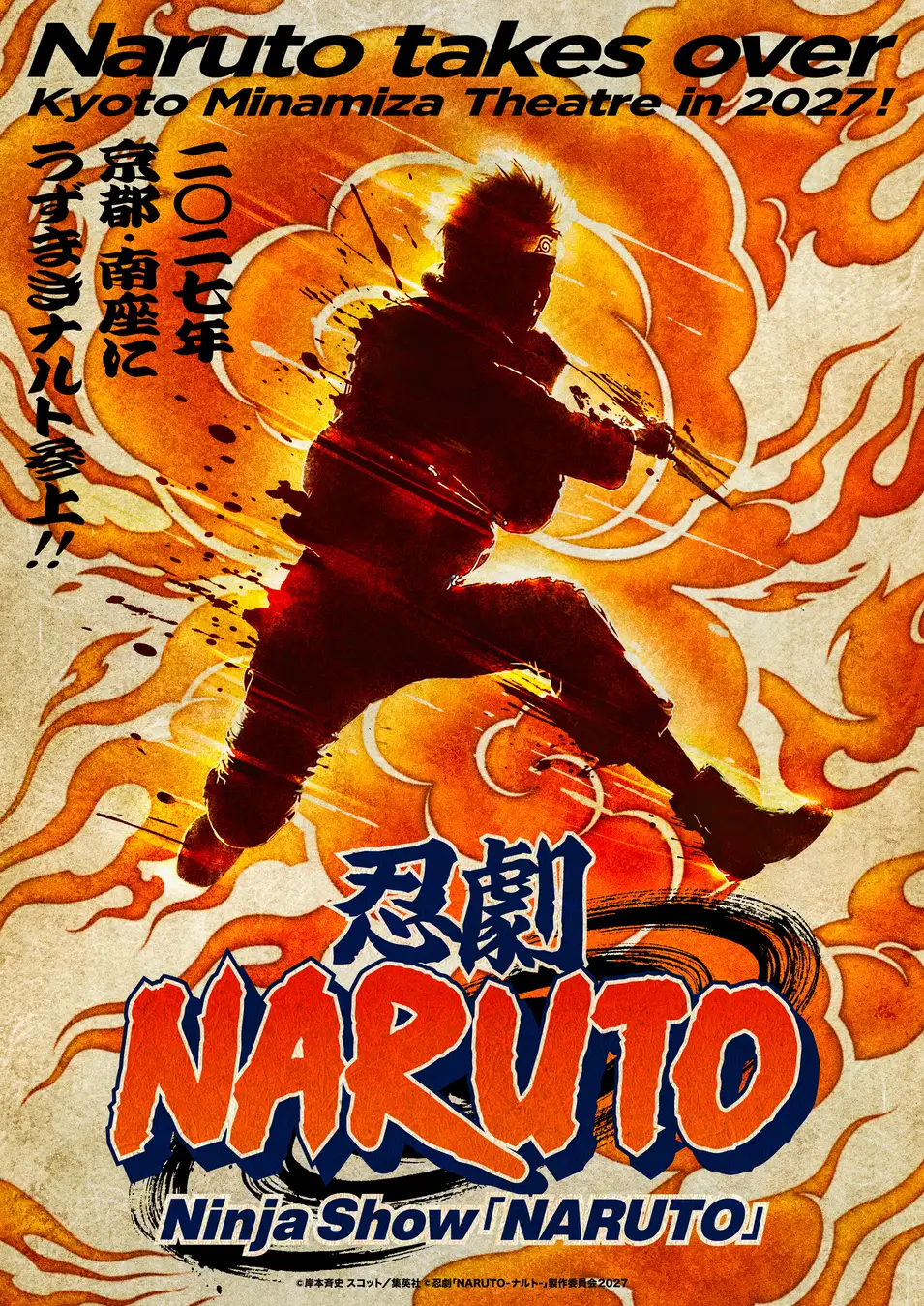
Ninja Show “NARUTO” brings Naruto Uzumaki’s childhood story to Kyoto Minamiza Theatre from February through June 2027.
Designed as a non-language-barrier ninja live show, it combines live-actor action, acrobatics, aerial stunts, projection mapping, and illusions for NARUTO fans and Japanese-culture enthusiasts from around the world.
Choosing a ticket may be less straightforward if you have never visited a traditional Japanese theater.
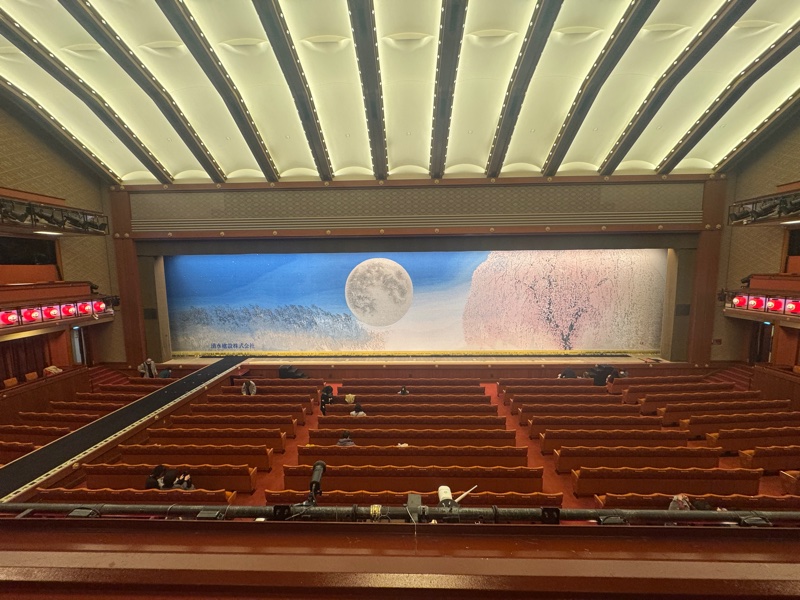
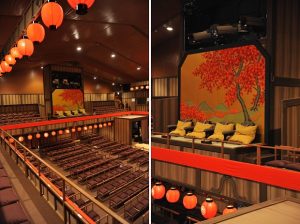
Minamiza has first-floor seating, elevated upper floors, side boxes, and a hanamichi runway—features that create very different ways of watching a performance.
This guide explains the five official seat categories, the tradeoff between close-range action and a fuller view, and the easiest way to buy from abroad.
Any predictions about staging or sightlines are based on Minamiza’s layout and the production’s announced approach; the show has not opened, and its exact use of the theater remains unconfirmed.
What Is Ninja Show “NARUTO”?
Ninja Show “NARUTO” (忍劇「NARUTO-ナルト-」) adapts the NARUTO Childhood Saga, following Naruto as he grows up alongside his comrades in the Hidden Leaf Village.
Its official concept emphasizes visual storytelling without a language barrier, making it approachable for international visitors who do not speak Japanese.
Live action, acrobatics, and aerial stunts will be combined with projection mapping and illusions.
The production will also use Minamiza’s stage machinery, although the specific mechanisms and effects planned for individual scenes have not been announced.
This is not a kabuki performance, and no kabuki actors appear in it.
It is a non-language-barrier ninja live show staged inside Japan’s oldest kabuki theater, using the building and some of its theatrical machinery.
That distinction matters because Minamiza has also presented pop-culture productions performed by kabuki actors, including a Lupin III–themed piece.
Ninja Show “NARUTO” is different in kind: its connection to kabuki lies in the venue and its stage technology, not in the acting tradition or cast.
Creative team and main cast
The original work is NARUTO by Masashi Kishimoto, published by Shueisha Jump Comics.
Go Ueki, known for stage adaptations of Attack on Titan and Sailor Moon, directs the production, while Cirque du Soleil collaborator Neil Dorward serves as International Creative Consultant and Shinjiro Kameda handles composition.
| Role | Performer |
| Naruto Uzumaki | Yuri Takahashi / Ryuma Aoi (double cast) |
| Sasuke Uchiha | REI |
| Sakura Haruno | Yui Oikawa |
| Kakashi Hatake | HIROMA |
A larger swing and ensemble cast supports these main roles.
The organizer is the Ninja Show “NARUTO” Production Committee, with cooperation from Shueisha Inc., Kyoto Prefecture, and the Japan 2.5-Dimensional Musical Association, and support from Kyoto City and the Kyoto City Tourism Association.
Choose Between Close-Up Energy and the Full Stage Picture
Seat choice comes down to two main questions: how close do you want to feel to the actors, and how much of the complete visual composition do you want to see at once?
Neither priority is automatically better for this production.
A first-floor seat is likely to communicate the speed and physical force of live combat and acrobatics most directly.
Being closer can also make facial expressions and costume details easier to follow, though the exact experience will depend on the assigned position.
An elevated seat on the second or third floor may give projection mapping, aerial sequences, and broader movement patterns more visual coherence.
That wider perspective can be useful for a show whose announced ingredients extend above and across the main acting area.
Traditional kabuki seat advice offers a useful vocabulary for thinking about Minamiza: center versus side angle, proximity to the hanamichi, and lower-floor immersion versus an upper-floor overview.
Ninja Show “NARUTO” may not follow kabuki’s customary blocking, so treat those ideas as decision-making tools rather than promises about where scenes will happen.
A quick recommendation by viewing style
Choose Kage-mi Seats if the distinctive side-box experience, included merchandise, priority entry, dedicated merchandise lane, and high-touch matter most.
Choose In-awase Seats for a first-floor view and close-range physical impact, or consider an upper-floor category if you prefer to take in the production’s full visual design.
The Five Seat Types and Prices
All seats are reserved, and prices vary between the Standard Rate and Holiday Rate except for Taka-no-me Seats.
Check the rate shown for your chosen performance before completing payment.
| Seat | Standard Rate | Holiday Rate | Location and benefits |
| Kage-mi Seats | ¥20,000 | ¥21,000 | Sajiki-style box seats; priority entry, dedicated merchandise lane, exclusive merchandise, and a high-touch experience |
| In-awase Seats | ¥18,000 | ¥19,000 | 1st floor; includes a high-touch experience |
| Ninjutsu Tenbo Seats | ¥15,000 | ¥16,000 | 2nd floor, front row |
| Chunin Seats | ¥12,000 | ¥13,000 | 2nd floor |
| Taka-no-me Seats | ¥9,500 | ¥9,500 | 3rd floor, front |
Kage-mi Seats
Kage-mi Seats are Minamiza’s sajiki-style boxes along both sides of the first floor.
Their semi-private, sunken-floor or horigotatsu-style arrangement is the most unusual option for visitors accustomed to standard rows, but the stage is viewed from an angle rather than straight ahead.
In-awase Seats
These first-floor seats are the strongest general recommendation for fans who want proximity to the performers and the physical intensity of the action.
They also include the high-touch experience, without the additional Kage-mi Seats merchandise and entry benefits.
Ninjutsu Tenbo Seats
Located in the front row of the second floor, Ninjutsu Tenbo Seats balance elevation with a prominent position within that level.
They may suit viewers who want a broad look at projection effects and aerial action while remaining closer than the third floor.
Chunin Seats
Chunin Seats occupy the second floor and cost less than its front-row category.
They are worth considering if a wider stage view matters more to you than first-floor immediacy, although the exact available position will affect the experience.
Taka-no-me Seats
Taka-no-me Seats are at the front of the third floor and cost ¥9,500 at both rates.
They are the lowest-priced category and offer the most elevated perspective among the five options, potentially making large-scale movement and visual effects easier to read as a complete picture.
Tickets are required for guests aged four and older.
A child under four may sit on a guardian’s lap without charge, but a separate ticket is needed if the child uses an individual seat.
Kage-mi Seats: East or West Side?
Kage-mi Seats deserve extra explanation because their location changes the viewing angle substantially.
Minamiza’s hanamichi—the runway extending through the audience—is on the house-left, or west, side as you face the stage.
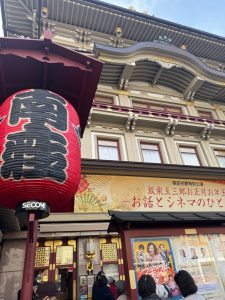
Our general Minamiza guide explains the hanamichi, sajiki boxes, and the shichi-san in more detail for kabuki performances.
Those physical features remain useful when reading the NARUTO seat map, but this new show is not obliged to use them according to kabuki convention.
West-side boxes: closer to the hanamichi
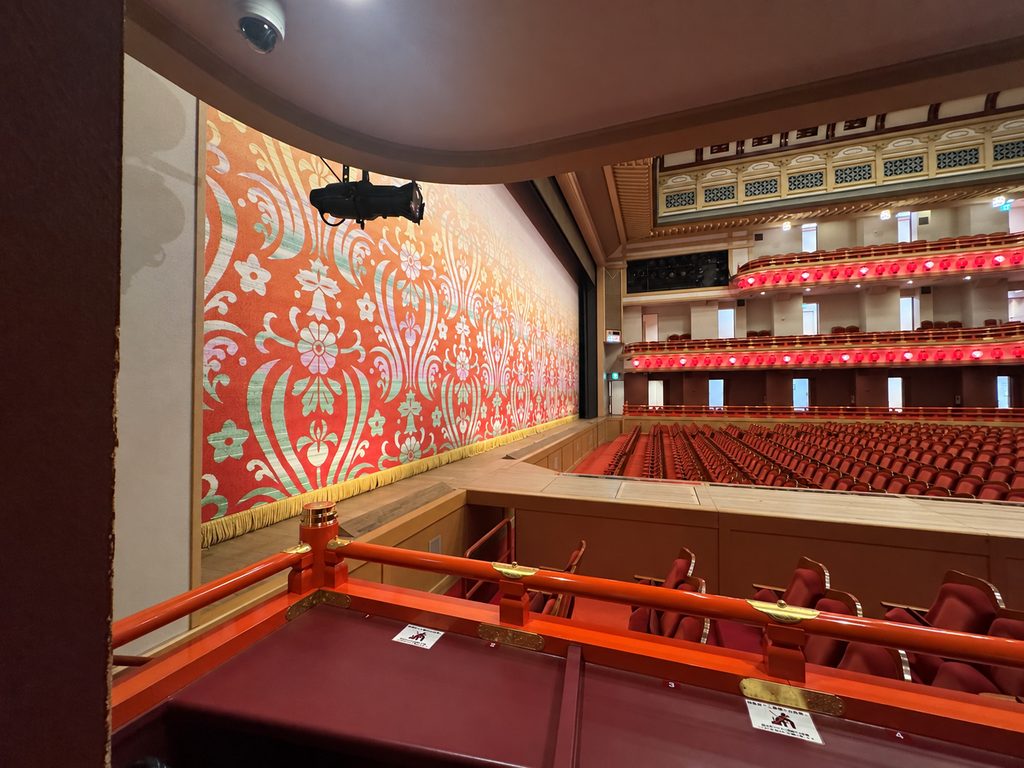
West-side Kage-mi Seats sit nearer the hanamichi and any trapdoor lift located around it.
In kabuki, the small lift known as the suppon is traditionally associated with supernatural entrances and exits by figures such as ninja, ghosts, or spirits—an intriguing connection for this story, but not evidence that the NARUTO production will use it.
If performers do make substantial use of the runway, proximity could make a west-side box feel especially immediate.
The tradeoff is a more strongly angled view of the main stage, and a detailed, seat-by-seat sightline assessment isn’t available before the show opens.
East-side boxes: a different runway angle
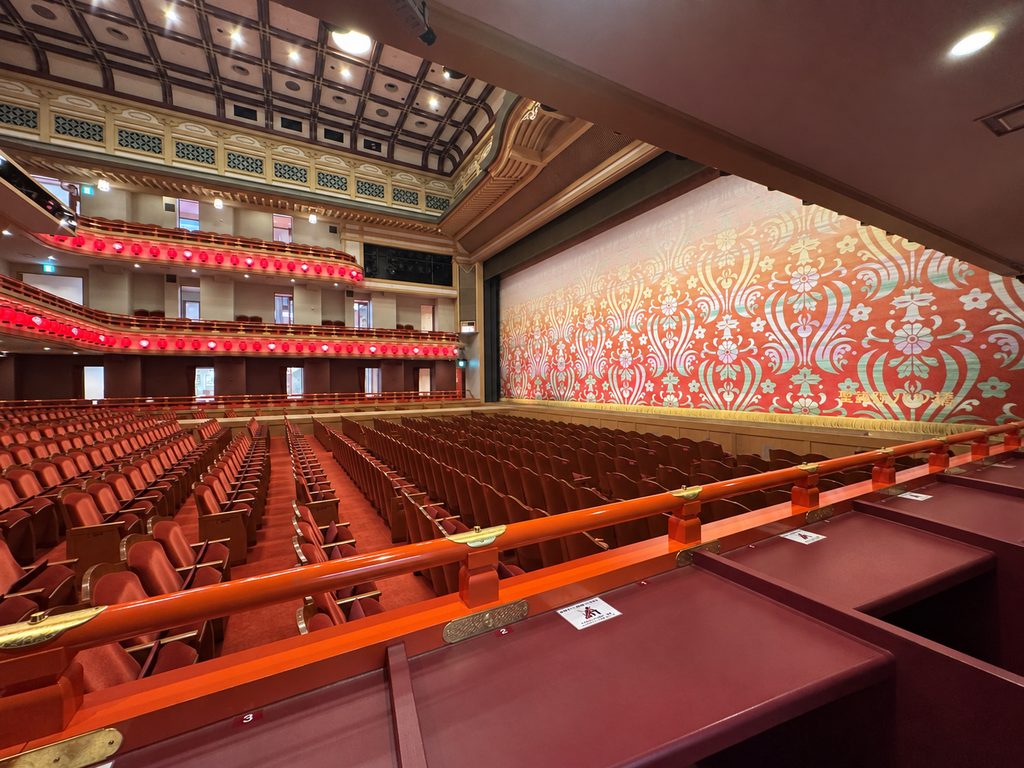
East-side Kage-mi Seats are farther from the hanamichi but look toward it from across the auditorium.
That may provide a more front-facing angle on the shichi-san, the important performance point roughly 70 percent of the way down the runway where kabuki actors traditionally strike dramatic poses called mie.
Because no kabuki actors appear in Ninja Show “NARUTO,” there is no assurance that performers will treat the shichi-san as a focal point or use mie-style staging.
Still, if the creative team composes runway scenes in a way that plays to Minamiza’s room, the east-versus-west distinction offers a sensible basis for choosing between available boxes.
In practical terms, favor west for possible runway closeness and east for a possible cross-house view of runway action.
Choose Kage-mi Seats primarily because you want the box format and included benefits, not because any particular NARUTO scene has been confirmed there.
In-awase Seats: What to Check on the Seat Map
In-awase Seats are on the first floor, but the category covers more than one possible viewing position.
Exact row and seat availability—including whether you are near the center, an aisle, or the hanamichi—depends on the performance and purchase timing.
Distance from center stage
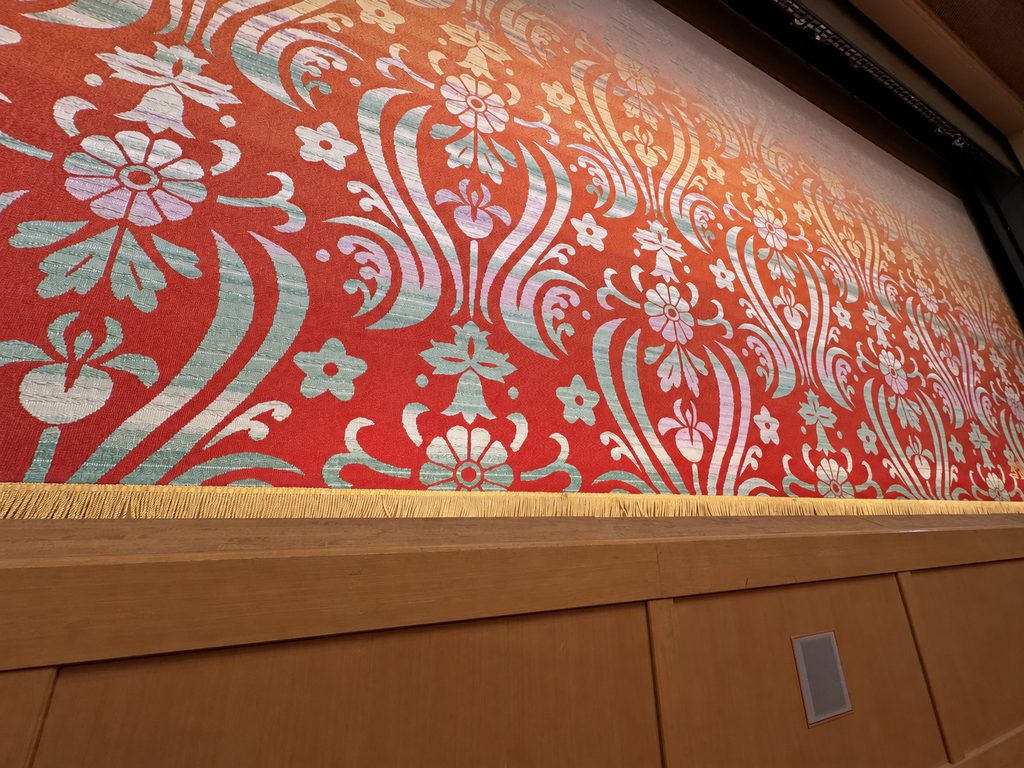
A position closer to the auditorium center is generally the easiest choice if you want a balanced view of the main stage.
That could be especially useful for projection mapping, illusions, and ensemble movement, though the production’s final visual design is not yet known.
Hanamichi proximity
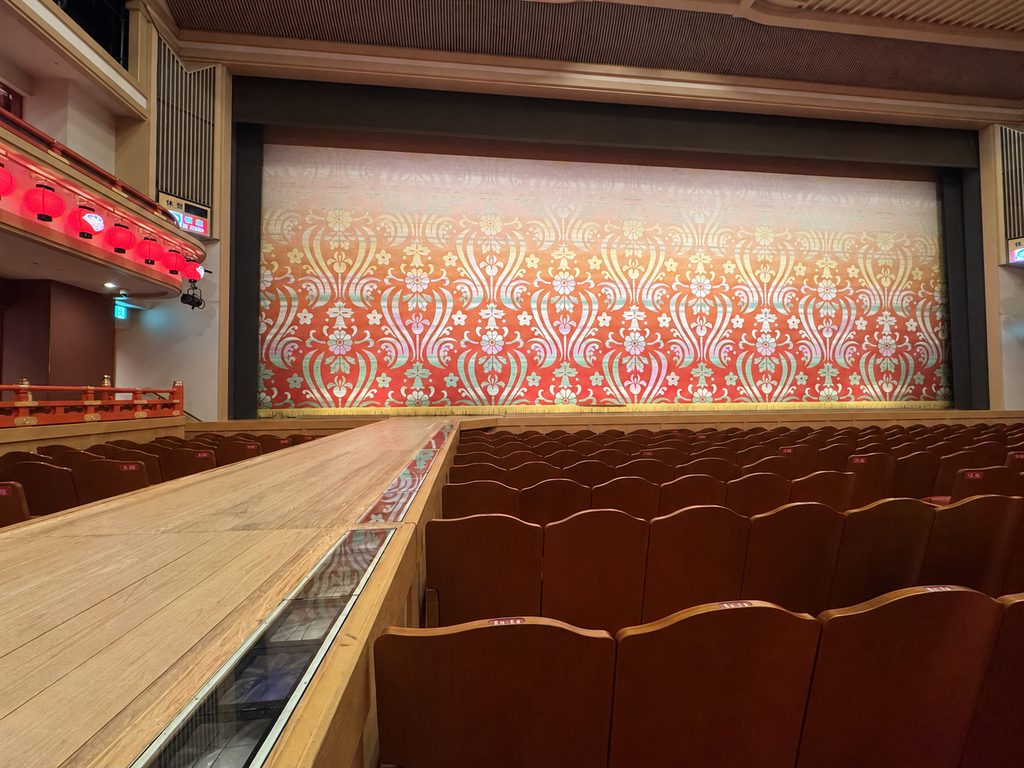
Seats toward the west side may put you closer to the hanamichi if it becomes an active performance route.
Do not sacrifice a central position solely on that possibility, since the production has not confirmed whether—or how extensively—the runway will be used.
Aisle-side placement
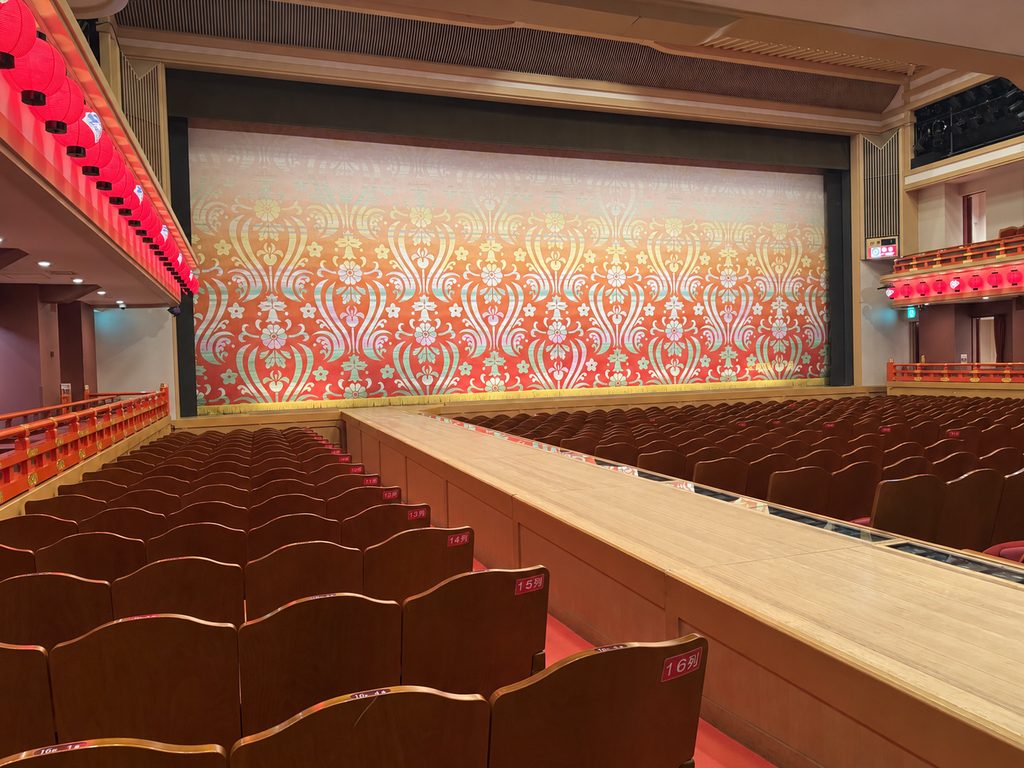
An aisle-side seat can provide a cleaner diagonal sightline if a tall guest is seated directly ahead.
It may be a useful tie-breaker between otherwise similar choices, while the center-versus-side angle remains the larger consideration.
Seat charts displayed during purchase can include equipment or crew positions and seats held for group bookings.
Consequently, not every place visible on a chart will be available for individual purchase, and the selection can differ from one performance to another.
How to Buy Tickets from Outside Japan
For an overseas customer, AXS is the practical first choice.
It explicitly accepts overseas customers, allows seat selection, and issues an e-ticket, so there is no physical ticket to collect in Japan.
AXS and Lawson Ticket began selling tickets for February and March 2027 performances on Tuesday, August 25, 2026, at 7:00 PM JST.
Most confirmed dates have a 3:00 PM matinee and a 7:00 PM evening show, with some Dark Days on which there is no matinee.
Lawson Ticket also offers seat selection, but it issues paper tickets through Loppi terminals at Lawson or Ministop stores in Japan.
That collection requirement makes it inconvenient if you will not already be in Japan before the performance.
Ticket Web Shochiku bookings open on October 17, 2026, at 10:00 AM JST, and tickets can also be purchased directly at the theater box office.
Sales dates for performances from April 2027 onward had not been announced as of September 15, 2026.
Before you pay
Confirm the date, starting time, rate, seat category, and selected position carefully.
Cancellations, exchanges, and refunds are not allowed unless the performance itself is cancelled.
The theater address is Kyoto Minamiza Theatre, 605-0075, east side of Shijō-ōhashi Bridge, Higashiyama-ku, Kyoto City.
If you need wheelchair access or performance assistance, purchase the required tickets first and then check the official ticket page for the accessibility inquiry form and contact details at least one week before your performance.
Accompanying guests also need their own tickets.
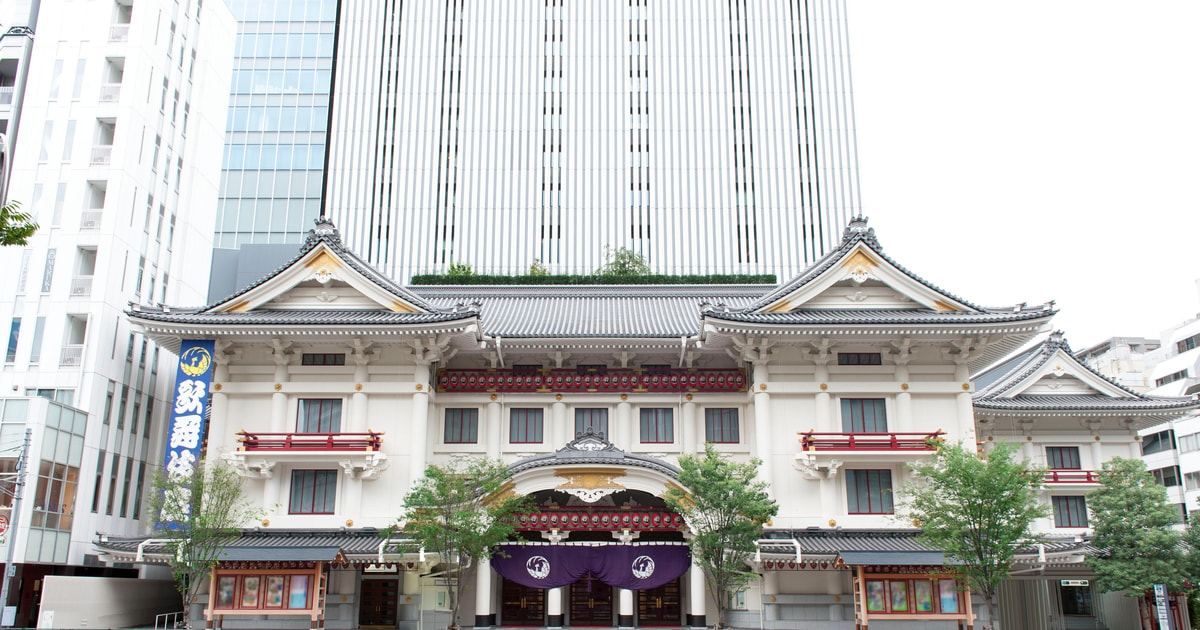
For broader background on planning an accessible visit to a Japanese kabuki theater, the guide below covers Kabukiza in Tokyo; it concerns a different venue and does not replace Minamiza’s event-specific instructions.
Ninja Show “NARUTO” FAQ
- Is Ninja Show “NARUTO” a kabuki performance?
-
No.
Ninja Show “NARUTO” is a non-language-barrier ninja live show, and no kabuki actors appear in it.
It is being presented at Minamiza, Japan’s oldest kabuki theater, and will use the venue’s stage machinery, but that does not make the production kabuki. - What is the best seat for a first-time overseas visitor?
-
In-awase Seats are the most straightforward recommendation if you want a first-floor seat, close-range action, and the included high-touch experience.
Consider Ninjutsu Tenbo Seats or Chunin Seats if seeing projection mapping, aerial work, and the broader stage picture matters more.
Kage-mi Seats suit visitors specifically attracted to the unusual side-box setting and their added benefits. - Can I buy tickets from outside Japan?
-
Yes.
AXS is explicitly available to overseas customers, offers seat selection, and provides digital tickets without physical pickup, making it the practical option for buying from abroad.
Lawson Ticket requires paper-ticket issuance at a Lawson or Ministop Loppi terminal in Japan. - Will the hanamichi and suppon be used in this show?
-
The production has announced that it will use Minamiza’s stage machinery, but it has not confirmed exactly which features will appear.
Hanamichi or suppon use is therefore possible, not guaranteed.
Seat advice based on those features should be treated as informed reasoning from the theater’s layout rather than confirmed staging information.
Which Ticket Should You Choose?
For most overseas buyers seeking close-up energy and simple ticket logistics, a well-positioned In-awase Seats ticket purchased through AXS is the safest starting point.
Fans who value an elevated, wider view should compare Ninjutsu Tenbo Seats, Chunin Seats, and Taka-no-me Seats according to budget.
Kage-mi Seats offer the most distinctive Minamiza experience, plus priority entry, a dedicated merchandise lane, exclusive merchandise, and a high-touch experience.
East and west boxes may produce different relationships with the hanamichi, but choose with the understanding that the NARUTO staging conventions and detailed sightlines remain unconfirmed.
Above all, select for the experience you value: first-floor physical immediacy, side-box atmosphere, or an upper-level overview of the production’s visual scale.
Then check every booking detail before payment, because tickets generally cannot be changed or refunded.
🎭 Want to See Kabuki Live?
If you’re planning a trip to Tokyo, Kabuki-za is one of the most memorable ways to experience Japanese culture firsthand. GetYourGuide offers English-friendly Kabuki-za tickets and guided experiences, including options with headset translation and pre-show introductions for first-time viewers.
👉 Check Kabuki-za Tickets on GetYourGuide
This section may contain affiliate links. Booking through them costs you nothing extra and helps support this site.

コメント