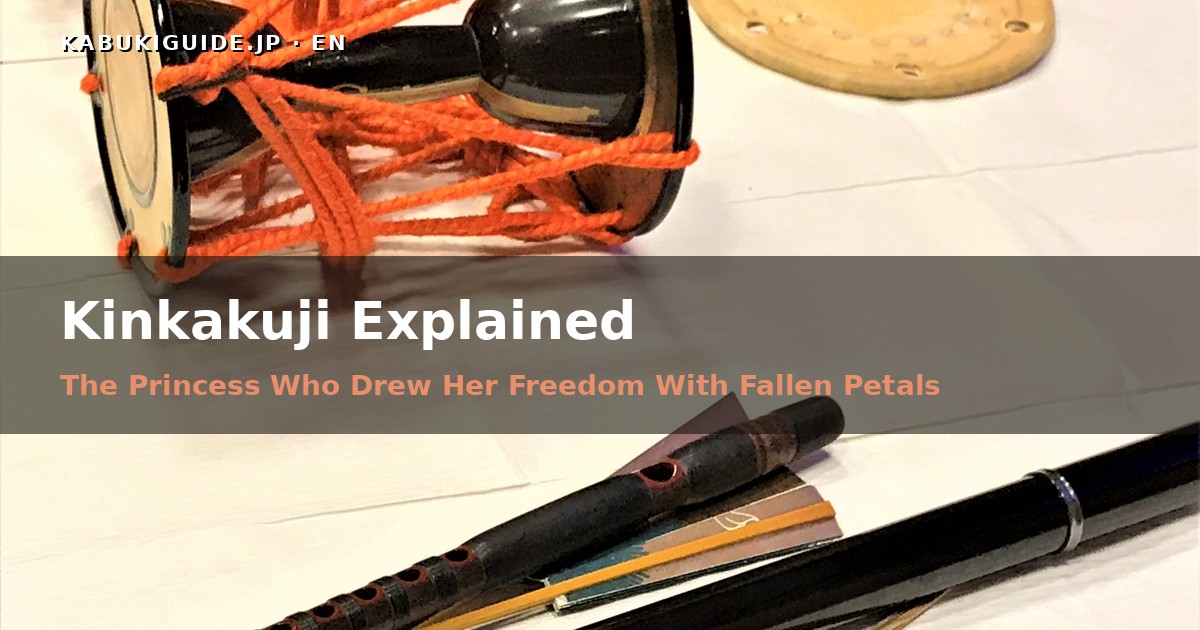
A captive princess creates a miracle by drawing a mouse with her own foot, changing her fate entirely — that’s the emotional core of Gion Sairei Shinkōki, better known by the name of its most celebrated scene, “Kinkakuji” (金閣寺).
What Is Gion Sairei Shinkōki “Kinkakuji”?
Gion Sairei Shinkōki is an Edo-period jidai-mono, loosely based on historical events but heavily dramatized for theatrical effect. Its “Kinkakuji” scene remains one of the most frequently performed standalone acts in the kabuki repertoire today.
Set at Kyoto’s famous Kinkakuji (Golden Pavilion), the scene combines a scheming would-be usurper’s ambitions, a loyal strategist’s cunning, and an artistic miracle born from a hopeless situation — a concentrated dose of everything kabuki does best. Princess Yuki’s scene, drawing a mouse with her foot, is especially celebrated as one of the great signature moments in all of kabuki.
Synopsis
Matsunaga Daizen, on the verge of seizing power over the realm, has barricaded himself inside Kinkakuji, holding the shogun’s mother Keijuin captive along with Princess Yuki — daughter of the painter Kanō Sesson — and her husband Kanō Naonobu. Daizen is obsessed not only with power but with Yuki’s beauty, giving her an impossible ultimatum: paint a dragon on the temple ceiling, or become his.
Into this standoff arrives a warrior named Konoshita Tōkichi, seeking to enter Daizen’s service — though he’s secretly a brilliant strategist sent to rescue the shogunate. Daizen tests his abilities with a game of go, then throws a go-stone container into a well, demanding Tōkichi retrieve it without getting his hands wet. Tōkichi solves the puzzle by cleverly raising the water level instead, impressing Daizen enough to be taken on as a retainer.
Meanwhile, Yuki recognizes Daizen’s prized sword as the very weapon used to kill her father, confirming he’s her family’s enemy. She lunges at him in fury but is captured and bound to a large cherry tree, while her husband Naonobu is sentenced to execution.
As cherry blossoms fall around her in a hopeless moment of despair, Yuki recalls a story about her grandfather, the legendary painter Sesshū, and begins gathering fallen petals to draw a mouse on the ground using only her foot. The mouse comes to life, as if by magic, and gnaws through the ropes binding her.
Freed by this miracle, Yuki is met by Tōkichi, who reveals his true identity and sends her to reunite with her husband. Tōkichi then climbs to the pavilion’s upper floor and successfully rescues Keijuin as well. Leaving the furious Daizen with a parting promise — “we’ll meet again on the battlefield” — the story sets up the larger conflict still to come.
Characters
Princess Yuki
Daughter of the Kanō family, a woman of quiet but fierce resolve. Having lost her father and facing her husband’s execution, she creates a miracle through pure artistic will, carrying forward her grandfather Sesshū’s legendary talent.
Matsunaga Daizen
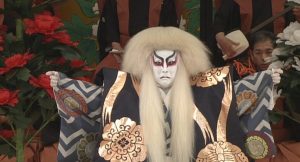
A would-be usurper consumed by desire for power, beauty, and control all at once. His overwhelming, larger-than-life malevolence gives the piece real dramatic weight.
Konoshita Tōkichi
A brilliant strategist operating on cool calculation rather than raw emotion, who turns the situation around through wit rather than force — believed to represent the historical figure who would later become Toyotomi Hideyoshi.
Highlights
The Miracle of the Foot-Drawn Mouse
The single greatest highlight: with her hands bound, Yuki gathers fallen petals and draws with her foot alone, willing a miracle into being. It’s a moment where art and conviction fuse into one symbolic image — a perfect example of kabuki’s aesthetic of expressing truth through symbolism rather than realism.
Daizen’s Overwhelming Villainy
Daizen is pure appetite — for power, beauty, and control all at once. That raw, almost overwhelming human intensity gives him a commanding stage presence.
Tōkichi’s Clever Reversal
Tōkichi operates through intellect rather than emotion. As seen in the go match and the well puzzle, he seizes control of the situation through sheer cleverness, driving the story’s turning point.
The Beauty of Kinkakuji and Falling Cherry Blossoms
The lavish Kinkakuji set, framed by a blizzard of falling cherry blossoms, is a visual spectacle in its own right — Yuki’s scene in particular has the quality of a moving Japanese painting.
Frequently Asked Questions
- How does Princess Yuki free herself if her hands are bound?
-
She gathers fallen cherry blossom petals and draws a mouse on the ground using only her foot. The drawn mouse comes to life and gnaws through her ropes — a symbolic miracle rather than a literal escape.
- Who is Konoshita Tōkichi meant to represent?
-
He’s widely understood to represent the historical figure who would later become Toyotomi Hideyoshi, portrayed here as a clever strategist working undercover to rescue the shogunate.
- Is “Kinkakuji” usually performed as part of a longer play?
-
While it’s technically one act of the larger Gion Sairei Shinkōki, it’s most commonly performed today as a self-contained standalone piece.
You might also enjoy:
Summary
Gion Sairei Shinkōki: Kinkakuji combines overwhelming villainy, clever reversal, and a genuinely iconic image — a princess drawing her own salvation with nothing but fallen petals and her foot. That fusion of artistry and resolve is exactly what has kept this scene a beloved standalone classic for centuries.
Related Reading
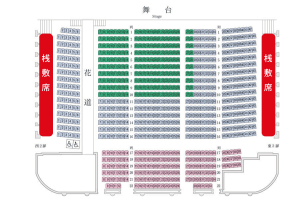
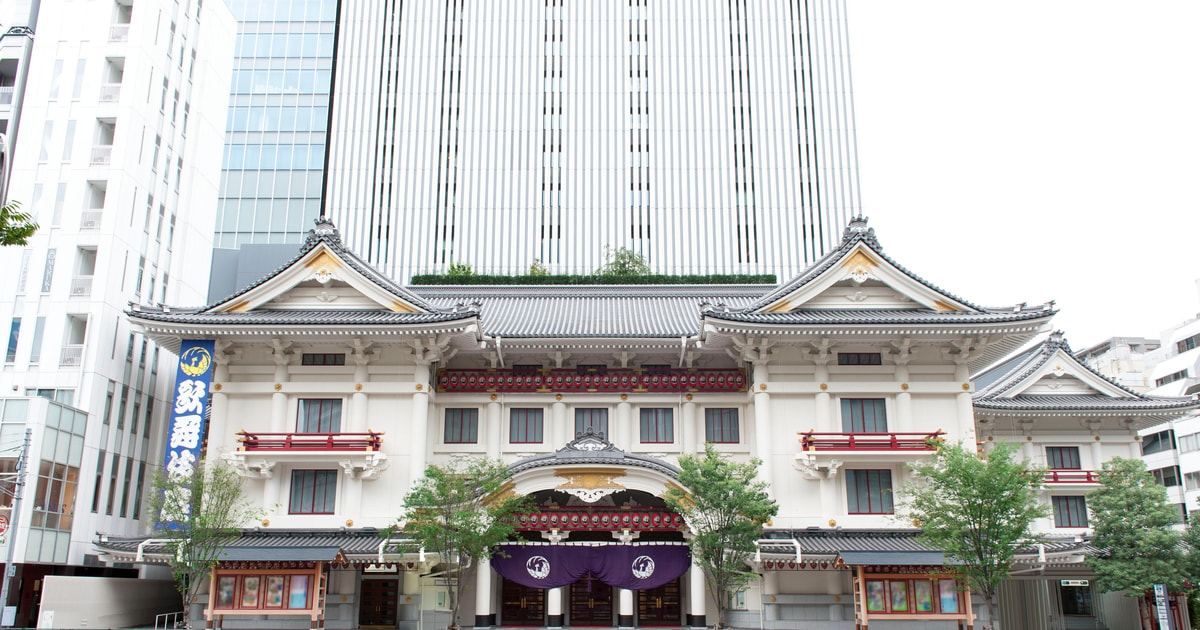
🎭 Want to See Kabuki Live?
If you’re planning a trip to Tokyo, Kabuki-za is one of the most memorable ways to experience Japanese culture firsthand. GetYourGuide offers English-friendly Kabuki-za tickets and guided experiences, including options with headset translation and pre-show introductions for first-time viewers.
👉 Check Kabuki-za Tickets on GetYourGuide
This section may contain affiliate links. Booking through them costs you nothing extra and helps support this site.




コメント