Almost everything you see in a kabuki performance — every gesture, every pause, every line — has been rehearsed and refined for generations before it ever reaches the stage. But “almost” is doing real work in that sentence. There are a handful of genuine, deliberate exceptions where kabuki actors do improvise, and they’re some of the most delightful moments in the entire art form.
The Default: Nothing Is Left to Chance
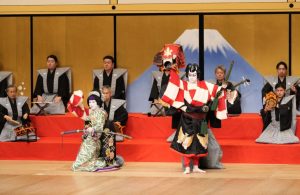
Kabuki is built on kata — codified, inherited forms covering movement, gaze, pacing, and delivery, refined and passed down within acting families across centuries. A role isn’t reinvented by each new performer; it’s inherited, studied, and performed according to established form, sometimes with the exact same gesture an actor’s grandfather used in the same role decades earlier. In that sense, kabuki is about as far from improvisational theater as a performance art can get — precision and inherited tradition are the entire point.
The Exception: Rigyō’s Nightly Improvised Monologue
The clearest, most delightful counterexample lives inside the beloved play Sukeroku Yukari no Edo Zakura. A comic side character known as the tsūjin (a self-styled “man of taste”), typically played as Rigyō, delivers a genuinely unscripted monologue while exiting down the hanamichi runway — riffing on backstage gossip, current events, or whatever feels timely that particular night. It’s completely ad-libbed, changes at every single performance, and even the other actors on stage don’t know exactly what he’ll say. It’s a rare, sanctioned pocket of pure improvisation inside one of kabuki’s most tightly structured art forms.
Kōjō: Speaking as Themselves, Not the Character
During formal name-succession ceremonies (shūmei hirō), actors deliver a kōjō — a formal on-stage speech, seated in a row alongside fellow actors, expressing personal gratitude to mentors, family, and the audience. Unlike a scripted play, this moment has actors speaking in their own voice rather than a character’s, and while the format and tone follow tradition, the specific content is genuinely personal to the actor giving it — closer to a heartfelt real-life speech than a rehearsed dramatic line.
Small, Contained Moments of Topical Humor
Beyond Rigyō’s dedicated showcase, certain lighter, more comic plays occasionally allow small, sanctioned moments of topical wordplay or contemporary references, woven carefully into otherwise fixed dialogue. These aren’t full improvisation so much as pre-approved seasoning — a performer might work in a timely reference during a run’s later performances once the core staging is locked in, but always within careful limits set by the production, not spontaneous invention mid-scene.
Handling the Unexpected: Mistakes and Improvised Recovery
Beyond these sanctioned pockets of improvisation, there’s also the ordinary reality of live performance: props occasionally misbehave, cues occasionally land a beat early or late, and performers are trained to recover smoothly without breaking the illusion for the audience. This isn’t scripted improvisation in the way Rigyō’s monologue is, but it does draw on real performer skill and instinct — the ability to adapt within the bounds of kata without visibly deviating from it, keeping a scene’s formal structure intact even when something behind the scenes hasn’t gone exactly to plan.
Does Kabuki Ever “Break the Fourth Wall”?
In a sense, kabuki never had a fourth wall to break in the first place. The hanamichi runway puts actors physically among the audience during major entrances and exits, and the tradition of kakegoe — audience members shouting an actor’s family name at a dramatic peak — means performers are already in direct, expected dialogue with the crowd throughout a performance. What looks like “breaking character” in Western theatrical terms is, in kabuki, simply built into the form from the start.
Frequently Asked Questions
- Is any part of kabuki actually improvised?
-
Yes, in specific, sanctioned pockets. The clearest example is the comic character Rigyō in Sukeroku Yukari no Edo Zakura, whose exit monologue is genuinely ad-libbed and different every performance.
- Do kabuki actors ever speak as themselves during a performance?
-
Yes — during formal kōjō speeches at name-succession ceremonies, actors address the audience directly and personally, distinct from any scripted character dialogue.
- Does kabuki have a “fourth wall” like Western theater?
-
Not really — the hanamichi runway and the tradition of audience call-outs (kakegoe) mean performers are already in direct contact with the audience throughout, so there’s no real wall to break in the first place.
Summary
Kabuki is, overwhelmingly, a tradition of precision and inheritance rather than spontaneity — but the handful of exceptions, from Rigyō’s nightly ad-libbed monologue to the deeply personal kōjō speeches at name-succession ceremonies, show that even the most codified art form leaves a little room for the unscripted, human moment.
🎭 Want to See Kabuki Live?
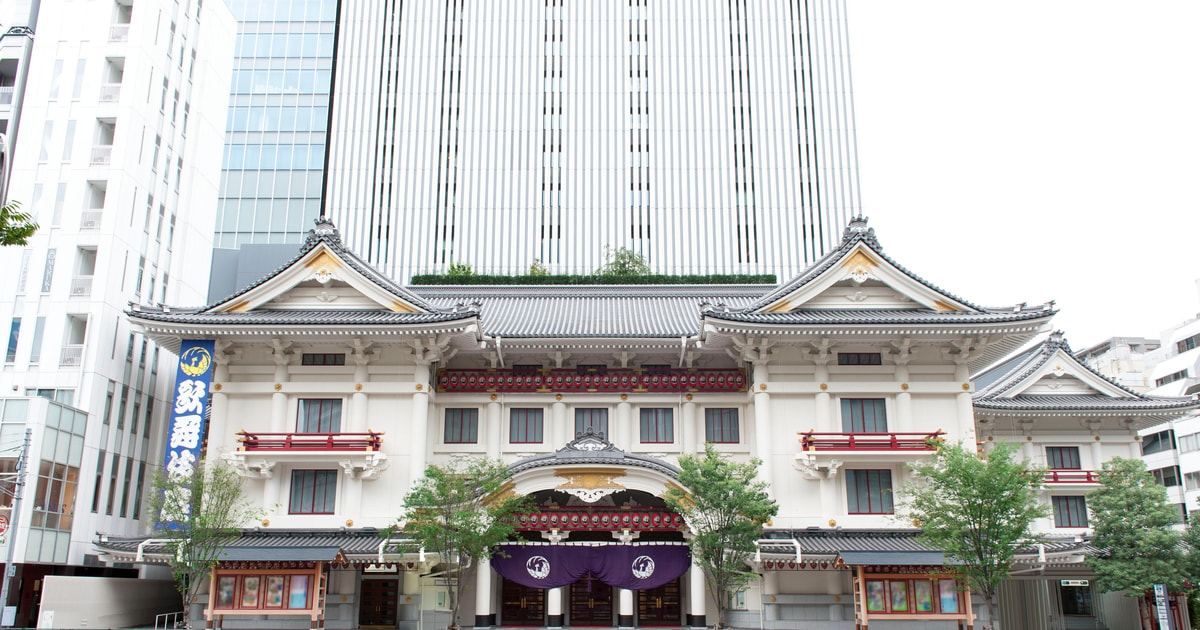
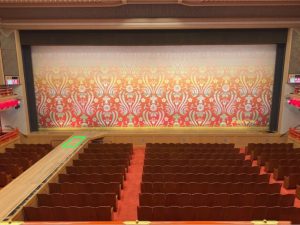
If you’re planning a trip to Tokyo, Kabuki-za is one of the most memorable ways to experience Japanese culture firsthand. GetYourGuide offers English-friendly Kabuki-za tickets and guided experiences, including options with headset translation and pre-show introductions for first-time viewers.
👉 Check Kabuki-za Tickets on GetYourGuide
This section may contain affiliate links. Booking through them costs you nothing extra and helps support this site.

コメント