
One of the more distinctive traditions in kabuki is shūmei (襲名) — the formal inheritance of a stage name, often passed down through a family across generations. A single name can be worn by a grandfather, then a father, then a son, each carrying it forward as their own career grows. Here’s how that tradition works, using one real acting family as an example.
What Is Shūmei (“Name Succession”)?
In kabuki, prominent stage names aren’t invented fresh for each generation — they’re inherited. A young actor typically starts under a smaller, junior name, then formally “succeeds” to a larger, more senior name as their skill and standing grow, often stepping into a name previously worn by their own father or grandfather. The formal ceremony marking this transition is called shūmei hirō, and it’s treated as a major milestone in a kabuki family’s history — often accompanied by a formal on-stage speech (kōjō) and specially chosen plays that carry personal significance to that name’s lineage.
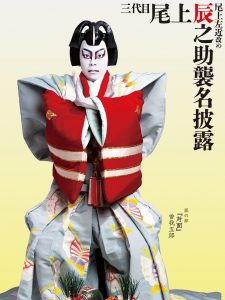
A Real Example: The Name “Tatsunosuke” in the Onoe Shōroku Line
Within the Onoe acting family’s Shōroku lineage, the name “Tatsunosuke” has a specific pattern: it’s a name worn during an actor’s younger years, before eventually stepping up to the larger family name, “Shōroku,” itself. Multiple generations of the same family have carried the “Tatsunosuke” name in their youth on their way toward that larger inheritance — a grandfather who held it before becoming the third Onoe Shōroku, and a father who held it before becoming the fourth. For the actor carrying it now, it represents a name held onto and protected across generations of the same family, and one described as deeply meaningful both to the family and personally.
This family has also historically emphasized aragoto (bold-style) and grounded sewamono roles as their signature style, tracing back to the sixth Onoe Kikugorō — a lineage of “weight and momentum” in performance.
This exact family and name is a good real-world case study — see our profile of the current holder of the Tatsunosuke name for more on his specific career and the 2026 succession.
A Career That Crossed Into Onnagata Roles Too
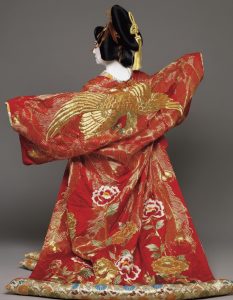
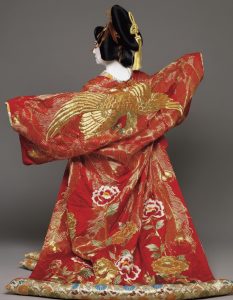
Interestingly, this actor’s career took an unusual turn: though coming from a family associated primarily with tachiyaku (male lead) roles, he began training in onnagata (female-role) performance as well, after receiving direct one-on-one coaching in the classical gidayū play Imoseyama Onna Teikin (in the role of Hinadori) from the celebrated onnagata Bandō Tamasaburō. Being from a tachiyaku-focused lineage while also actively performing onnagata roles is a fairly unusual combination in kabuki, where actors more typically specialize in one or the other — a path this performer has cited legendary actor Onoe Kikugorō VI (celebrated for excelling at both) as his own model for.
Bandō Tamasaburō is himself one of the most celebrated onnagata performers alive today.
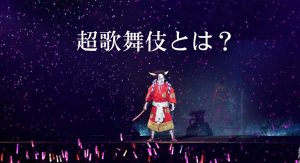
He has also appeared in Cho-Kabuki, the modern fusion of classical kabuki with digital and virtual performance technology — a way younger performers reach audiences beyond kabuki’s traditional core fanbase.
Why Name Succession Ceremonies Matter
A shūmei hirō is far more than a rebranding — it’s treated as a formal public statement that an actor has grown enough to carry the weight of a name their own family has held before them. These ceremonies typically feature plays specifically chosen because previous holders of that same name performed them at their own succession — creating a direct, symbolic through-line between generations. Watching a shūmei hirō production, even without any prior context, is a genuine window into how deeply kabuki ties personal identity to lineage and legacy.
Frequently Asked Questions
- Do kabuki actors choose their own stage names?
-
Not typically for major names — significant names are usually inherited within a family across generations, with the transition marked by a formal shūmei hirō ceremony rather than freely chosen.
- Can a tachiyaku (male-role) actor also perform onnagata (female) roles?
-
It’s uncommon, since actors typically specialize in one or the other, but it does happen — some of kabuki’s most celebrated performers, historically and today, have been known for excelling at both.
- What happens during a shūmei hirō ceremony?
-
It typically includes a formal on-stage speech (kōjō) and specially selected plays with personal significance to that name’s history — often the same roles previous holders of the name performed at their own succession.
🎭 Want to See Kabuki Live?
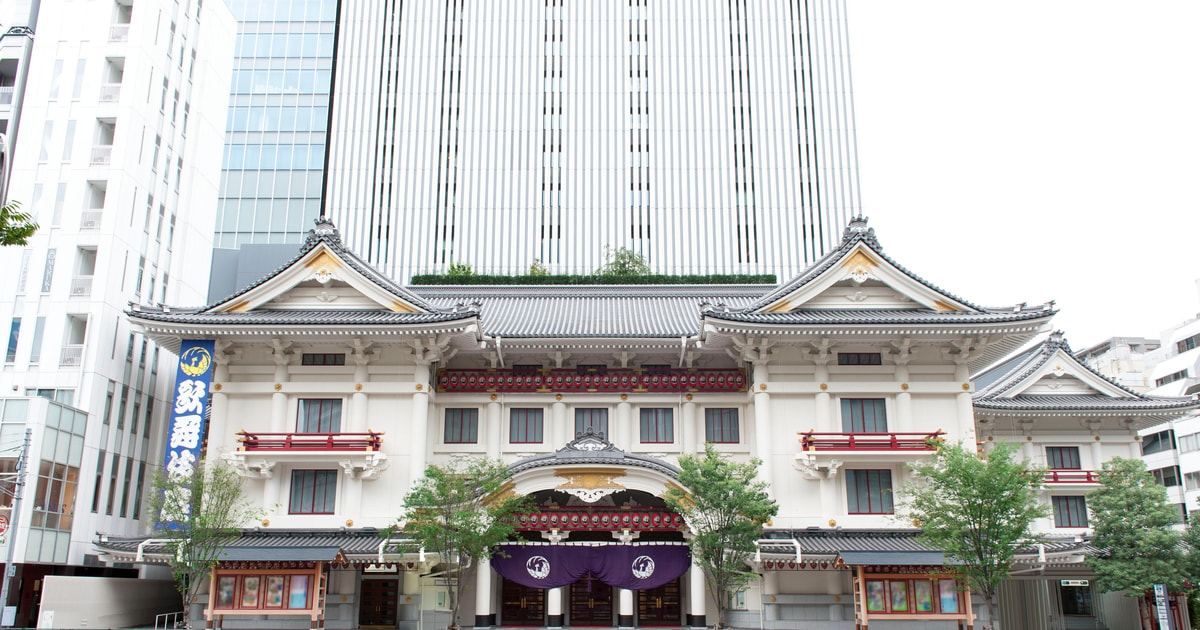
If you’re planning a trip to Tokyo, Kabuki-za is one of the most memorable ways to experience Japanese culture firsthand. GetYourGuide offers English-friendly Kabuki-za tickets and guided experiences, including options with headset translation and pre-show introductions for first-time viewers.
👉 Check Kabuki-za Tickets on GetYourGuide
This section may contain affiliate links. Booking through them costs you nothing extra and helps support this site.





コメント
コメント一覧 (3件)
[…] Shūmei Explained: How Kabuki Actors Inherit Their Stage Names […]
[…] あわせて読みたい Shūmei Explained: How Kabuki Actors Inherit Their Stage Names Kabuki names are inherited across generations through a formal succession ceremony called shūmei. Here’s how the tradition works. (adsbygoogl […]
[…] あわせて読みたい Shūmei Explained: How Kabuki Actors Inherit Their Stage Names Kabuki names are inherited across generations through a formal succession ceremony called shūmei. Here’s how the tradition works. (adsbygoogl […]