
Short answer: realistically, no — not as a professional actor performing at Kabukiza or the National Theatre. It’s not that there’s a written law barring non-Japanese performers; the barrier is structural, built into how kabuki has organized itself as a hereditary, family-based profession for four centuries. But that’s not quite the whole story either.
Why Professional Kabuki Is Effectively Closed
Professional kabuki actors are almost universally born into, or in rare cases formally adopted into, one of the established acting families — the Ichikawa, Onoe, Nakamura, Bandō, and Kataoka lines among them. Training begins in early childhood, often with a stage debut before the age of ten, and continues under direct instruction from parents and senior family members for decades. There is, however, one genuine non-hereditary pathway: the National Theatre of Japan runs a competitive, publicly-recruited Kabuki Actor Training Program — about two years of full-time study, open by application and audition rather than family connection, with no tuition fee. It’s not a rare curiosity: graduates now make up an estimated 30% of all active kabuki actors. What’s unclear is whether this specific program accepts non-Japanese applicants; its published eligibility criteria don’t spell out a nationality requirement, but in practice its students have been overwhelmingly Japanese. And even after graduating, name-bearing lead roles stay reserved for the hereditary lines — most graduates build a career in featured and supporting roles rather than becoming a “Danjūrō” or “Kikugorō” themselves.
In short: the barrier isn’t nationality specifically — it’s that the entire professional structure runs through inherited family lineage, which makes it just as closed to unconnected Japanese citizens as it is to foreign nationals.

What’s Actually Open to Non-Japanese Performers
While the professional Kabukiza stage is essentially closed, plenty of kabuki-adjacent doors are genuinely open to non-Japanese students and performers:
- Nihon buyō (classical Japanese dance) — the broader dance tradition kabuki draws from is taught more openly, with schools that accept international students and even award formal teaching licenses to non-Japanese practitioners.
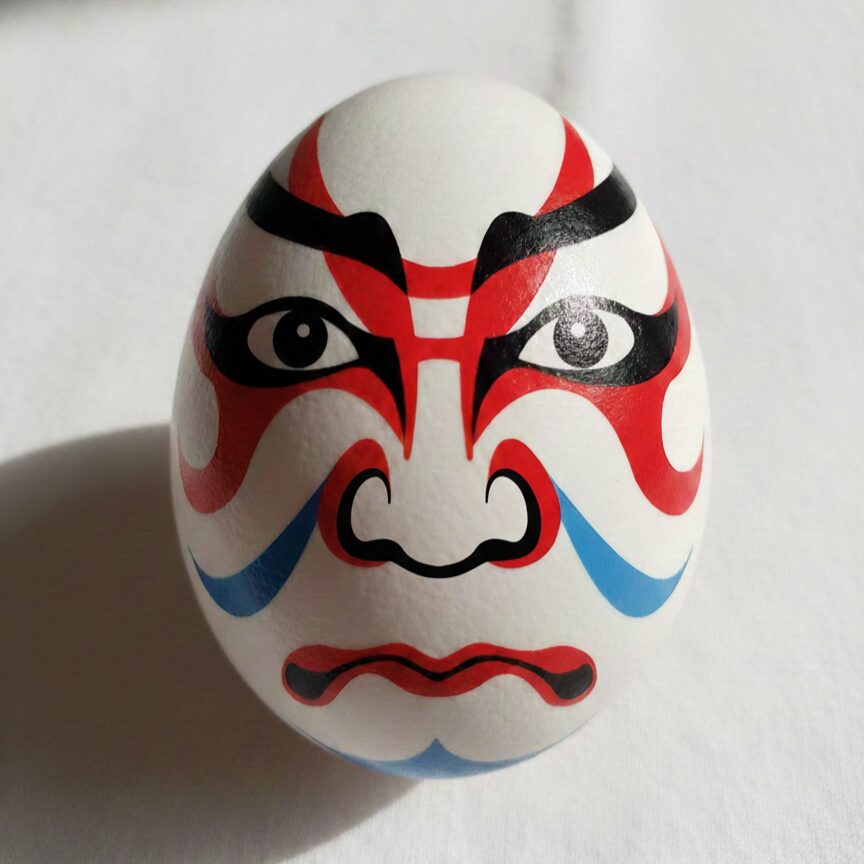
- Workshops and short courses — some cultural centers and theaters in Japan offer hands-on kabuki experience programs for visitors, covering basics like kumadori makeup application, mie poses, and simple choreography, though these are educational and cultural experiences rather than a path to professional performance.
- Academic and research study — foreign scholars and performers have long studied kabuki technique formally, some quite deeply, as part of theater research or cross-cultural performance projects, even without ever appearing in a professional kabuki production.
- Kabuki-influenced work abroad — some Western theater and opera productions have incorporated kabuki-trained consultants or kabuki-inspired staging, giving non-Japanese performers indirect exposure to the tradition’s techniques.
Why the System Stays Closed
It’s tempting to read this as simple exclusivity, but the closed system is deeply tied to how kabuki actually works as an art form. Techniques, stage business, and even specific interpretations of famous roles are passed down within families as closely guarded knowledge, refined and adjusted generation after generation. A role’s history — who played it, how, and what that lineage means to longtime audiences — is often as important to a performance as the role itself. Opening the system to outside performers would mean fundamentally restructuring how the art form transmits its knowledge, not simply adding new names to a cast list.
Could This Ever Change?
Kabuki has shown real flexibility in other directions — collaborations like Cho-Kabuki (with the virtual singer Hatsune Miku) and Super Kabuki adaptations of contemporary stories like Princess Mononoke and One Piece show that the art form is willing to experiment with content, format, and even technology. But the performer pipeline itself has remained remarkably stable across four centuries, and there’s little indication that the hereditary system underpinning professional casting is likely to open up to outside performers, Japanese or foreign, anytime soon.

Frequently Asked Questions
- Is there a law preventing foreigners from becoming kabuki actors?
-
No — there’s no legal restriction. The barrier is structural: professional casting runs almost entirely through hereditary acting families, which effectively excludes anyone outside those lineages, regardless of nationality.
- Can foreigners study kabuki-related arts at all?
-
Yes — classical Japanese dance (nihon buyō), which shares roots with kabuki, is taught more openly and welcomes international students, some of whom go on to earn formal teaching licenses.
- Can visitors to Japan try kabuki-style performance themselves?
-
Some cultural workshops and experience programs let visitors try kabuki makeup, poses, and basic choreography — a genuinely fun introduction to the craft, though distinct from professional training or performance.
Summary
Professional kabuki remains, in practice, a closed hereditary system — one that excludes unconnected Japanese citizens just as much as it excludes foreign nationals. But the broader world of kabuki-related dance, technique, and hands-on cultural experience is genuinely open to anyone curious enough to seek it out, even if the Kabukiza stage itself isn’t.
Related Reading
🎭 Want to See Kabuki Live?
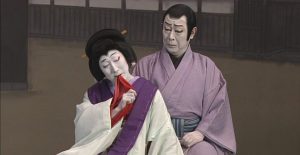
If you’re planning a trip to Tokyo, Kabuki-za is one of the most memorable ways to experience Japanese culture firsthand. GetYourGuide offers English-friendly Kabuki-za tickets and guided experiences, including options with headset translation and pre-show introductions for first-time viewers.
👉 Check Kabuki-za Tickets on GetYourGuide

This section may contain affiliate links. Booking through them costs you nothing extra and helps support this site.






コメント