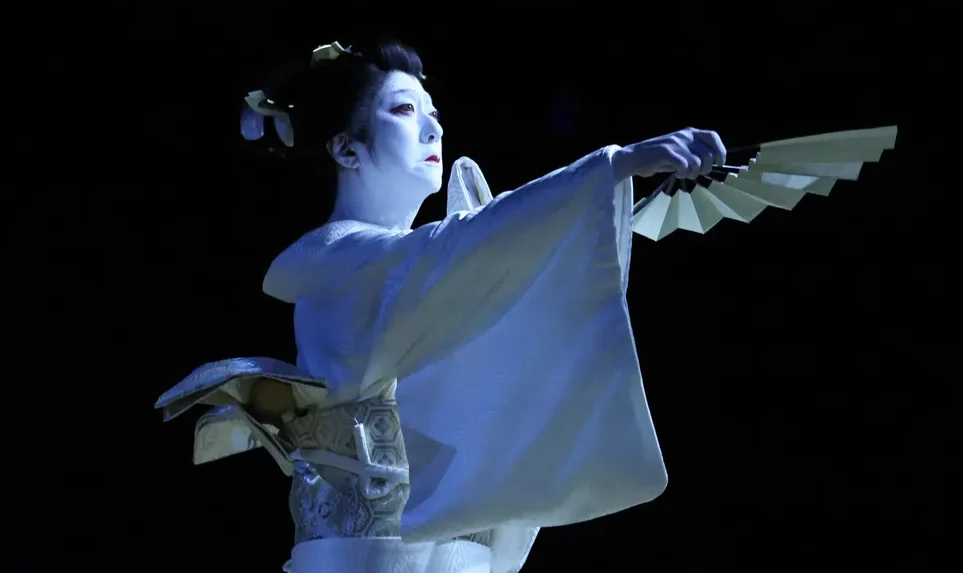
Zangetsu (“The Lingering Moon”) is a quiet, deeply felt solo dance built on grief — a jiuta-mai piece composed as a memorial for a young woman who died before her time, using the image of the moon sinking toward the sea as a meditation on loss and the hope of peaceful rebirth.
What Is Zangetsu?
Zangetsu is a piece of jiuta — a refined, restrained genre of shamisen music that originated in the Kamigata region (Kyoto and Osaka) and traditionally accompanied intimate solo dance. Rather than the driving rhythm and narrative drive of nagauta, the shamisen style behind many of kabuki’s larger dance spectacles, jiuta favors subtlety, stillness, and understated emotional depth, performed in a form called jiuta-mai when set to dance.
The piece was composed by Minezaki Kōtō, a celebrated jiuta composer of the late Edo period, as an act of mourning: it’s said to have been written for the daughter of one of his students in Osaka’s Sōemonchō district, a young woman who died before her time. Zangetsu is counted among jiuta’s defining memorial pieces (tsuizenkyoku) — music composed specifically to honor and grieve the dead.
What the Piece Is About
The song’s lyrics center on the image of the moon, using its slow descent toward the sea as a meditation on loss — a poignant expression of mourning for someone who has passed, and a wish that the departed might leave behind this fleeting, dreamlike world for peaceful rebirth in the Buddhist pure land. It’s less a story with characters and plot than a sustained meditation on grief itself, rendered through image and atmosphere rather than narrative.
A Distinctive Musical Structure
Formally, Zangetsu follows the classic jiuta structure of an opening instrumental prelude, an opening vocal section, an extended instrumental interlude (tegoto) in five parts, and a closing vocal section. What makes it distinctive is how it handles that structure: most pieces of this type build energy from the opening song into a more animated instrumental interlude, but Zangetsu instead carries its somber, restrained mood directly into the tegoto section, where virtuosic instrumental technique unfolds not as a burst of energy, but as a kind of musical offering laid before the dead. The mood shifts only slightly by the piece’s end, when a change in the shamisen’s tuning brings a touch of gentle warmth to the closing vocal passage.
Highlights
Stillness as Technique
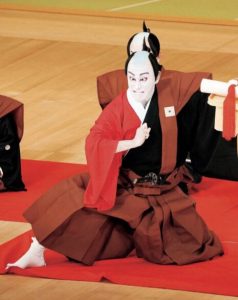
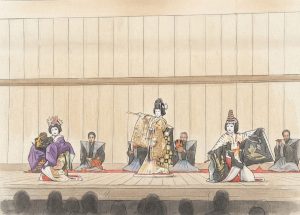
As a dance, Zangetsu asks a performer to convey deep, complicated feeling through minimal, carefully restrained movement rather than expansive gesture — a genuine test of a dancer’s control, since there’s nowhere to hide within such spare, deliberate choreography. It rewards close, patient attention rather than the immediate visual spectacle of a piece like a lion dance or an aragoto showpiece.
For that more expansive, high-energy end of the spectrum, our beginner’s guide to aragoto covers exactly what makes those showpieces so different.
Grief Rendered as Beauty
Part of what makes Zangetsu so quietly powerful is its refusal to resolve its sorrow into something simple. The piece doesn’t offer comfort so much as it sits with loss, honoring it through sheer formal beauty and virtuosic musical craft rather than narrative closure — an approach that treats mourning itself as something worth rendering beautifully.
A Contrast Piece Within a Program
When staged alongside more dynamic, plot-driven works, Zangetsu‘s stillness and interiority function as a deliberate change of pace — a moment for the audience to slow down and sit with something quieter after livelier spectacle elsewhere in a program.
Frequently Asked Questions
- What does the title “Zangetsu” mean?
-
It means “the lingering moon” — referring to the moon still visible at dawn, an image used throughout the piece as a meditation on loss and the passage from life into death.
- Is Zangetsu based on a specific historical event?
-
It’s said to have been composed by Minezaki Kōtō as a memorial for a young woman, the daughter of one of his students, who died before her time.
- Is Zangetsu a good fit for a first-time kabuki viewer?
-
It can be a rewarding choice precisely because it requires no dialogue comprehension — the piece communicates entirely through music and restrained movement, though its quiet, contemplative pace suits viewers drawn to atmosphere over spectacle.
Summary
Zangetsu distills grief into pure atmosphere — a jiuta-mai memorial piece built on restraint, using the image of a setting moon to hold space for mourning rather than resolve it. Quiet where much of kabuki is loud, it’s a genuine reminder of how much emotional range the art form can express through stillness alone.
🎭 Want to See Kabuki Live?
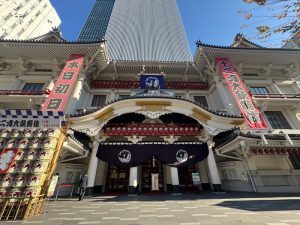
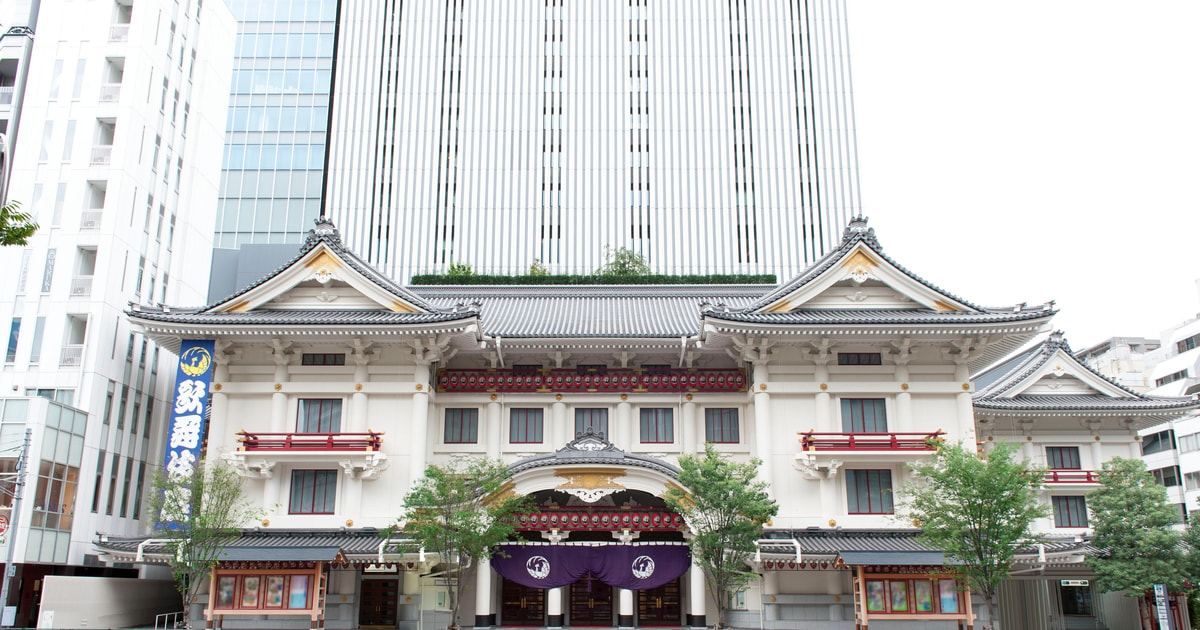
If you’re planning a trip to Tokyo, Kabuki-za is one of the most memorable ways to experience Japanese culture firsthand. GetYourGuide offers English-friendly Kabuki-za tickets and guided experiences, including options with headset translation and pre-show introductions for first-time viewers.
👉 Check Kabuki-za Tickets on GetYourGuide
This section may contain affiliate links. Booking through them costs you nothing extra and helps support this site.
コメント
コメント一覧 (1件)
[…] funeral, and the boldness he discovers along the way. あわせて読みたい Zangetsu Explained|A Jiuta-Mai Elegy for the Moon and the Dead Zangetsu is a jiuta-mai memorial dance composed for a young woman who died too soon, using the […]