
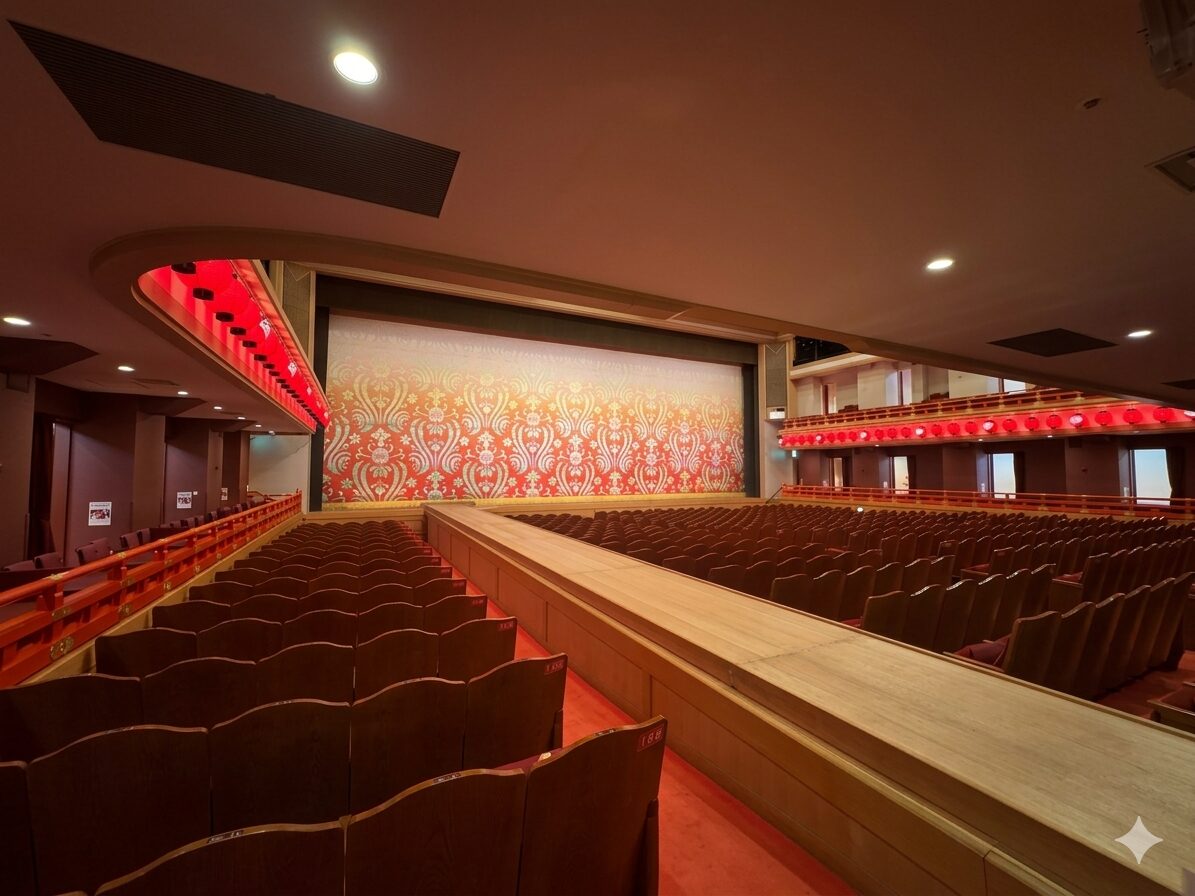
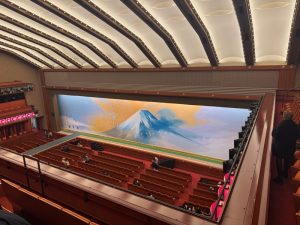
Kabukiza’s seating is built across four levels — 1st, 2nd, 3rd floor, and the 4th-floor single-act seats — and where you sit genuinely changes what kind of show you experience. The same performance can feel completely different depending on whether you’re close enough to catch an actor’s breathing or high enough to take in the full stage picture.
This guide breaks down what each level actually looks and feels like, the tradeoffs of each section, and which seat fits which kind of visitor — so you can book with confidence instead of guessing.
The Basic Structure: Height Changes Everything
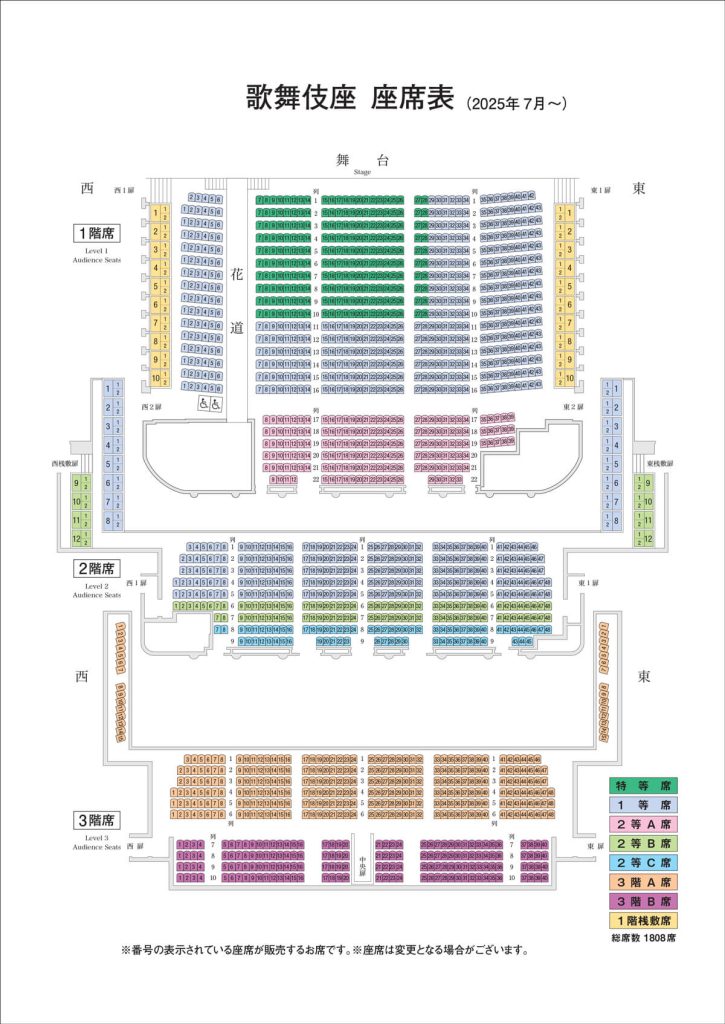
The first thing to understand is that Kabukiza’s seating stacks vertically, and each level offers a fundamentally different vantage point:
- 1st floor — level with the stage itself (maximum intensity)
- 2nd floor — high enough to take in the whole stage picture (the most visually complete view)
- 3rd floor — higher still, and more affordable — though the hanamichi runway is out of view
- 4th floor — the makumi (single-act) seats, a system unique to Kabukiza
1st Floor: Maximum Intensity and Presence
The 1st floor is where Kabukiza’s raw intensity is felt most directly — an actor’s expression, the texture of a costume, footwork, even breathing. Because you’re physically close to the stage, the smaller, “live” details of a performance come through clearly.
Front Rows
Extremely close to the stage — actors fill your entire field of view. This can actually be too close to take in the full stage composition, so it suits people who specifically want to be immersed in raw intensity.
Middle Rows (Best Overall Balance)
The single best recommendation for first-timers. The distance from the stage, overall visibility, and sense of intensity are all well balanced here — genuinely the “standard Kabukiza experience.”
Back Rows
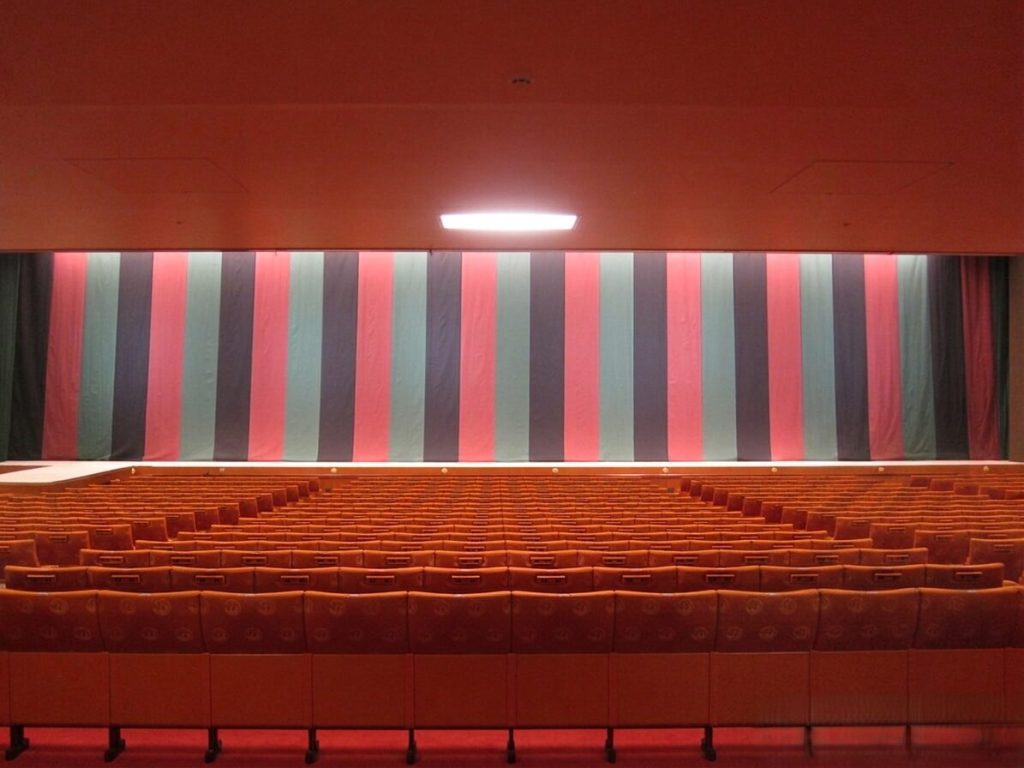
Easier to take in the whole stage and follow movement along the hanamichi. Pricing is a step down from the front, and the front row of the second-tier pricing here tends to be a strong value.
Hanamichi-Side Seats: Kabuki’s Signature Thrill, Up Close
A special subset of 1st-floor seating sits right along the hanamichi runway. Actors pass within feet of you, and the intensity of a mie pose performed nearby is overwhelming — you’ll have a close view of entrances and exits at the shichi-san point as well. This is the pick for anyone who wants the single most immersive kabuki experience possible.
The tradeoff: the back of the stage can be harder to see from here. It comes down to choosing between hanamichi intensity and full-stage visibility.
Sajiki (Box Seats): Kabukiza’s Special Seating
Sajiki box seats sit along both sides of the 1st floor, structured completely differently from general seating — semi-private, with a table and more spacious seating, and food can even be delivered directly to your seat during intermission.
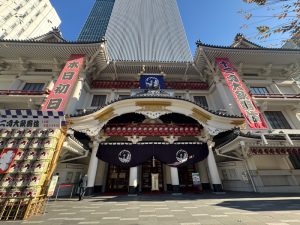
Why Sajiki Is Popular
- Spacious seating that stays comfortable over a long program
- A table makes eating during intermission easy
- The side-on viewing angle gives a distinctive sense of depth to the stage
- Widely considered a special, one-to-experience-at-least-once occasion
Which Side to Choose
- Stage-left side (shimote) — closer to the hanamichi, great for watching actors enter and exit
- Stage-right side (kamite) — farther from the hanamichi, but an easier view of the full stage
Drawbacks
- Not a front-on view of the stage
- Priced at a premium
- High demand — can be difficult to book
2nd Floor: The Most Visually Complete View
The 2nd floor is where Kabukiza’s stage composition looks its most “painterly” — depth, blocking, group choreography, and set design all read clearly in three dimensions. Ideal if you specifically want to appreciate kabuki’s visual staging.
Front Rows (The Best Position)
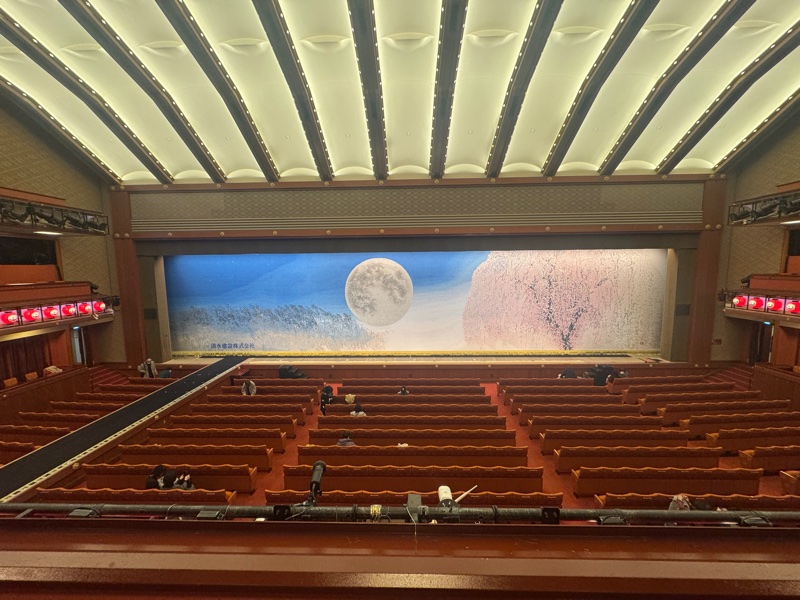
Widely regarded as the prime seat in the house for taking in the full stage beautifully — mie poses look especially striking from here, and it’s arguably the best vantage point for appreciating kabuki’s visual beauty as a whole.
Middle to Back Rows
A bit farther from the stage, but with a wide field of view that makes movement easy to follow. Priced below the front rows, and consistently high in visitor satisfaction.
East Wing (Higashi-sode)
Rows closer to the stage may have part of the stage-right side cut off from view, but movement across the stage and the hanamichi are easy to follow, making the story easy to track.
West Wing (Nishi-sode)
Close to the hanamichi, with a strong sense of actor presence. Closer rows here can also lose part of the stage-right view, and mie poses performed at the shichi-san may be seen more from behind than head-on.
3rd Floor: The Best Value — With a Catch
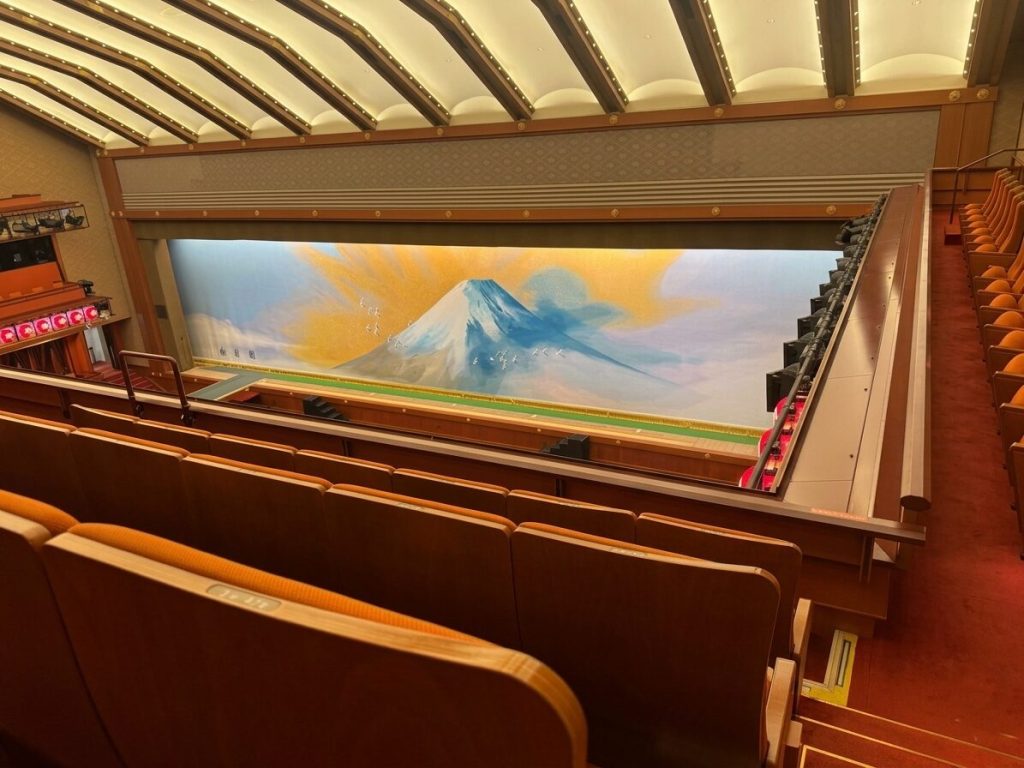
The 3rd floor is Kabukiza’s most affordable general seating area. It’s farther from the stage, but ideal if you want to experience kabuki’s atmosphere without a high price tag.
One important thing to know: the hanamichi is completely invisible from the 3rd floor due to the theater’s structure, and depending on your exact seat, part of the stage’s left or right side may also be cut off — especially at the aisle-edge seats.
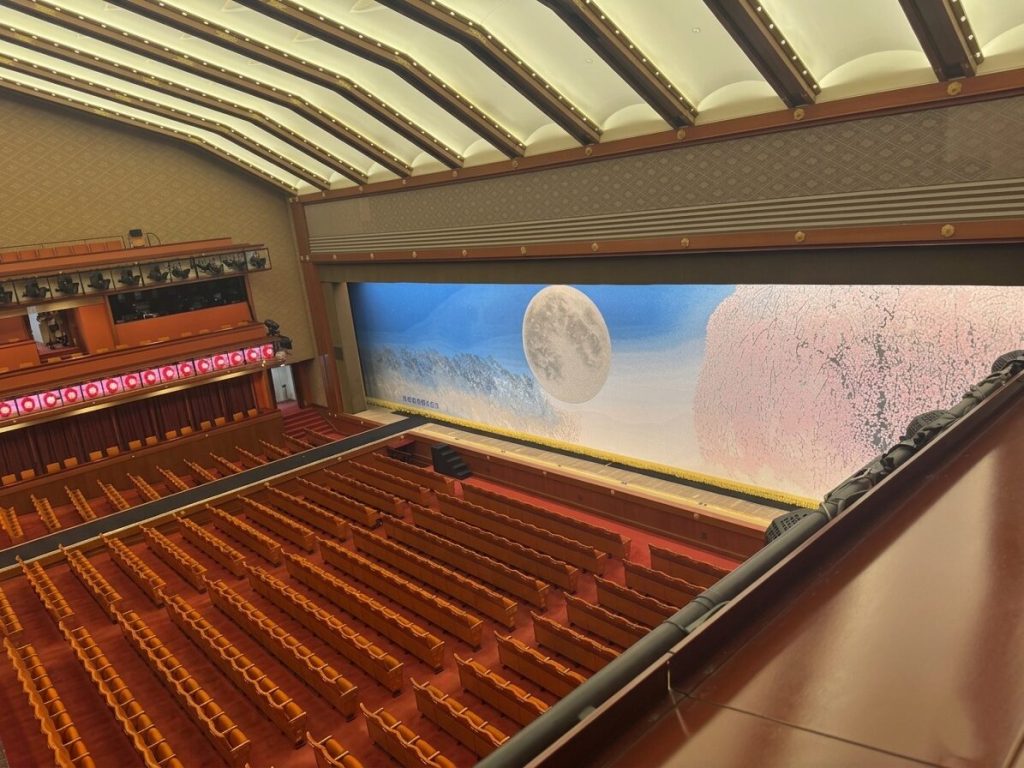
In short: think of the 3rd floor as “watching center stage from a distance,” not “taking in the whole stage” — set that expectation going in, and you won’t be caught off guard.
A Seats
The most visible seats on the 3rd floor, with a clear enough view to follow the center-stage action easily. Popular with repeat visitors for the value they offer.
B Seats
Even more affordable, and a solid fit if your main goal is simply experiencing kabuki at all.
4th Floor (Makumi / Single-Act Seats): A System Unique to Kabukiza
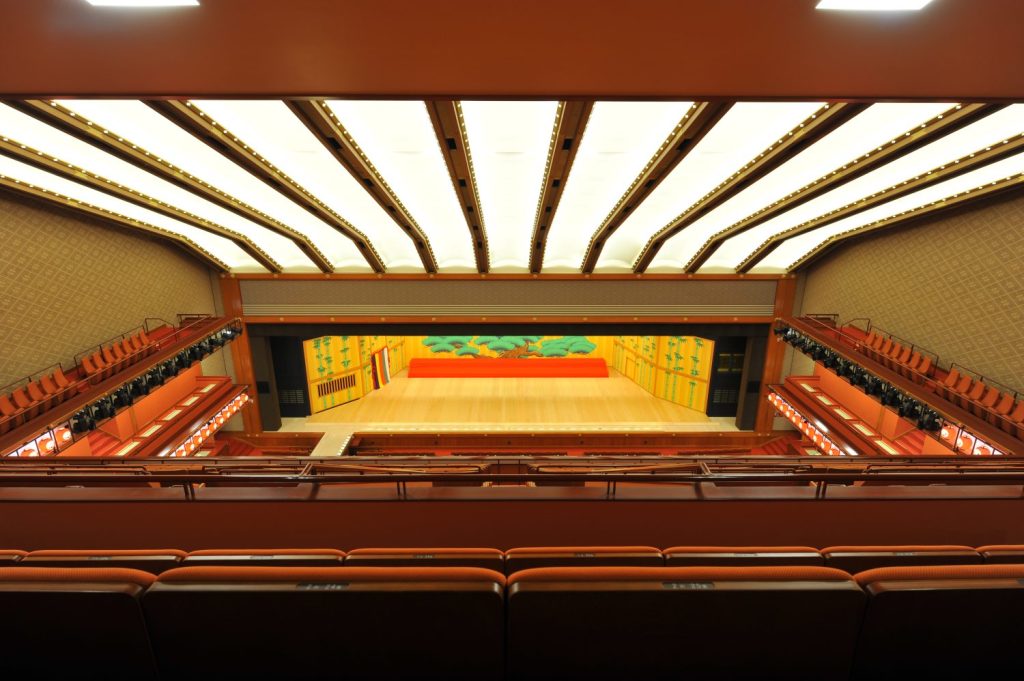
The 4th floor is dedicated entirely to makumi seating — formally called hitomaku-mi-seki (“single-act viewing seats”). This system exists nowhere else among Japan’s theaters.
- Lets you watch just one act of the program
- Priced roughly ¥500–¥2,000
- No advance reservation — seating is first-come, same-day
- Only available on the 4th floor
- A tradition unique to Kabukiza
The makumi system exists to keep kabuki accessible, and functions as a genuine entry point for tourists and first-time visitors.
What the View Looks Like
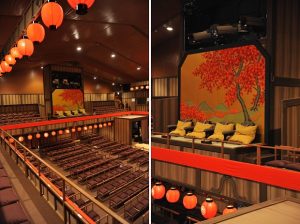
You’re far from the stage, and the feeling is less “taking in the whole picture” and more “looking down from above.” Still, it’s more than enough to soak up kabuki’s atmosphere — an ideal way to try kabuki for the first time without a big commitment.
Bring Opera Glasses for 3rd-Floor or Makumi Seats
Given the distance involved, seats on the 3rd floor and in the makumi section make it hard to catch an actor’s expression or fine gestures with the naked eye. A pair of opera glasses opens up a much richer view from exactly the same seat.
Which Seat Should You Choose?
When in doubt, these quick picks are hard to go wrong with:
- Want maximum intensity → 1st floor, front rows or hanamichi-side
- Want the best overall balance → 1st floor, middle rows
- Want to appreciate the visual staging → 2nd floor, front rows
- Want the best value → 3rd floor, A seats
- Just want to try it out → 4th floor makumi seats
Frequently Asked Questions
- What’s the single best seat for a first-time visitor to Kabukiza?
-
The middle rows of the 1st floor — they balance distance, visibility, and intensity better than any other section, making them the closest thing to a “standard” Kabukiza experience. For appreciating visual staging, try 2nd-floor front rows; for value, 3rd-floor A seats.
- What does the view look like from the makumi (single-act) seats?
-
Makumi seats on the 4th floor are far from the stage, giving a “looking down from above” feel rather than a full panoramic view. They let you watch a single act, no reservation needed, first-come same-day — a low-commitment way to try kabuki for the first time.
- Are there seats with a blocked view on the 2nd or 3rd floors?
-
Yes. On the 2nd floor, certain rows in the east and west wings can lose part of the stage-right view. On the 3rd floor, the hanamichi is completely invisible due to the building’s structure, and edge seats may lose part of the stage view — worth checking a seating chart before booking.
- Where’s the best seat if I want to be close to the hanamichi?
-
1st-floor hanamichi-side seats offer the closest view. The stage-left sajiki box seats and the 2nd-floor west wing also give a good view of hanamichi action. The 3rd floor and the 4th-floor makumi seats, by contrast, offer little to no view of the hanamichi at all.
Summary: Where You Sit Changes the Story
Kabukiza’s real appeal is that the same performance can feel like a completely different experience depending on where you sit — a seat that lets you feel an actor’s breathing, one that frames the stage like a painting, one that puts you right beside the hanamichi’s intensity, an affordable option for simply soaking in the atmosphere, and the makumi tradition found nowhere else.
Choose based on what kind of experience you actually want, and your time at Kabukiza gets a lot richer.
🎭 Want to See Kabuki Live?
If you’re planning a trip to Tokyo, Kabuki-za is one of the most memorable ways to experience Japanese culture firsthand. GetYourGuide offers English-friendly Kabuki-za tickets and guided experiences, including options with headset translation and pre-show introductions for first-time viewers.
👉 Check Kabuki-za Tickets on GetYourGuide
This section may contain affiliate links. Booking through them costs you nothing extra and helps support this site.


コメント
コメント一覧 (1件)
[…] あわせて読みたい Kabukiza Seating Guide: What Every Level Actually Looks Like A complete guide to Kabukiza’s seating levels — 1st floor intensity, 2nd floor sightlines, 3rd floor value, sajiki boxes, and the makumi single-act se […]