

Where to Watch Kabuki in Japan: Complete 2026 Guide to the Best Theaters for Tourists
If you’re planning a trip to Japan and want to experience kabuki, you’ve probably searched:
- “Where can I watch kabuki in Japan?”
- “Which theater is best for first-time visitors?”
- “Is there a kabuki theater with English support?”
The good news: Japan has seven major kabuki theaters, and several of them are extremely welcoming to foreign visitors, with English guides, subtitles, and single-act tickets designed exactly for people trying kabuki for the first time.
This guide breaks down every major kabuki theater in Japan — where it is, what it offers tourists, and which one you should choose based on your itinerary.
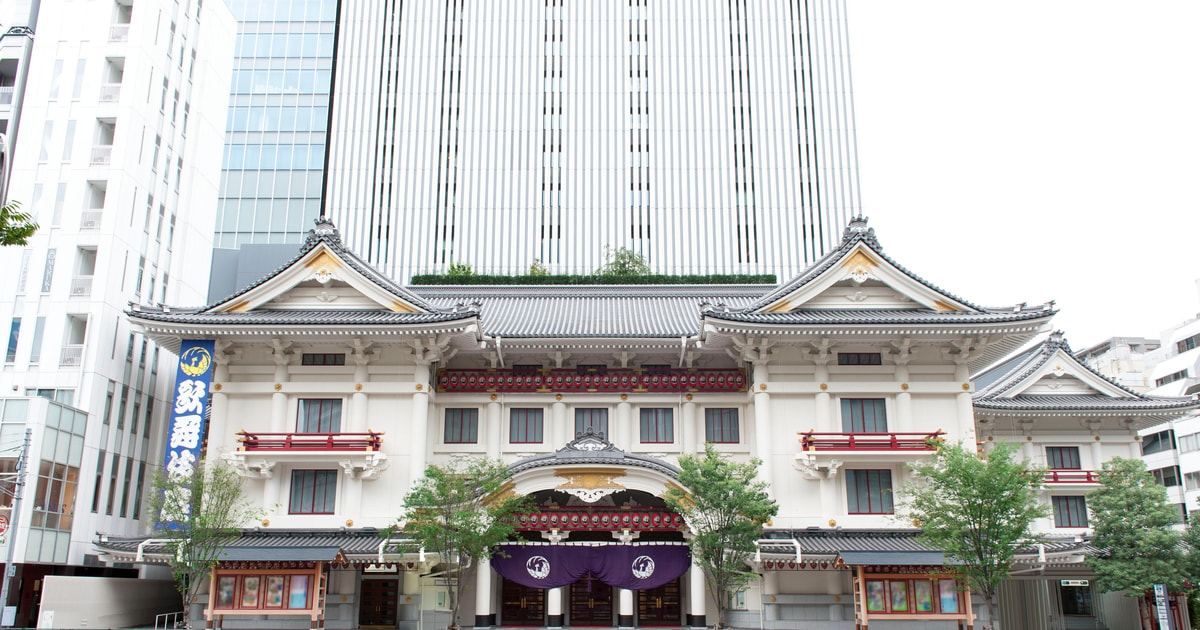
Kabukiza Theatre (Tokyo, Ginza) — The Best Choice for Tourists
Kabukiza in Ginza, Tokyo, is the most famous kabuki theater in Japan and the single best starting point for anyone new to the art form.
Why Kabukiza is perfect for tourists
- English audio guides and English program notes available
- Plays are staged almost every day of the month (unlike most other theaters)
- Extremely easy access — a short walk from Higashi-Ginza Station, in central Tokyo
- Single-act tickets (makumi/hitomaku-mi) let you watch just one act for a lower price and a shorter time commitment
You can enjoy a full kabuki program at Kabukiza even if:
- You don’t speak Japanese
- You only have a couple of hours free during your trip
- This is your very first time seeing kabuki
👉 Best choice for first-time kabuki visitors, hands down.
👉Click here to book on GetYourGuide
Shinbashi Enbujo Theatre (Tokyo) — A Quieter Alternative
Just a five-minute walk from Kabukiza, Shinbashi Enbujo is a smaller, more relaxed theater that also stages kabuki several times a year (alongside other traditional performing arts).
- Compact seating (about 1,428 seats) means good sightlines from almost anywhere in the house
- Less crowded and more intimate atmosphere than Kabukiza
- English support is more limited, so it suits visitors who already have some kabuki experience
It’s a great second stop if you’ve already seen a show at Kabukiza and want a change of atmosphere.
Minami-za Theatre (Kyoto) — Japan’s Oldest Kabuki Stage
If you’re visiting Kyoto, Minami-za is the theater to look for.
- Built in 1929 on a site associated with kabuki performances since the early 1600s, and registered as a Tangible Cultural Property of Japan
- Located in Kyoto’s Gion district, within walking distance of major sightseeing spots
- Kabuki is staged only a few times a year here (each run typically lasts three to four weeks), so check the schedule well in advance
Watching kabuki at Minami-za is a wonderful way to combine traditional theater with a Kyoto sightseeing trip — but because runs are limited, this only works if the timing lines up with your visit.
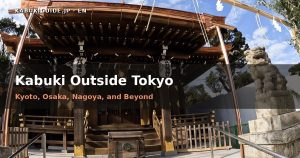
Regional Kabuki Theaters: Osaka, Nagoya, and Fukuoka
Kabuki is also performed regularly in three other cities:
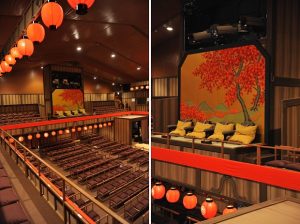
- Osaka Shochikuza (Dotonbori) — a historic theater in the middle of Osaka’s most famous entertainment district
- Misono-za (Nagoya) — hosts kabuki productions a few times a year
- Hakata-za (Fukuoka) — usually one or two kabuki runs annually
These theaters:
- May not always have English pamphlets or audio guides
- Primarily serve local, Japanese-speaking audiences
- Are performed on a much less frequent schedule than Kabukiza
👉 Best suited to visitors who already enjoy kabuki and want to see a performance while traveling outside Tokyo or Kyoto, rather than first-timers.
A Note on the National Theatre (Kokuritsu Gekijo), Tokyo
Many guidebooks still list the National Theatre of Japan in Tokyo as a kabuki venue — but as of 2026, it remains closed for reconstruction. It shut down at the end of October 2023, and as of early 2026 the reopening date is still undecided after the redevelopment project failed to attract a successful bidder. If you see it mentioned elsewhere, note that it is currently not an option, and its own productions are instead staged at other theaters and civic halls around Tokyo.
Which Theater Should You Choose?
For most tourists, the answer is simple:
- Visiting Tokyo → Kabukiza Theatre (or Shinbashi Enbujo for a quieter option)
- Visiting Kyoto, and the schedule lines up → Minami-za Theatre
- Visiting Osaka, Nagoya, or Fukuoka, and already familiar with kabuki → the local theater in that city
Kabukiza remains the top recommendation because it is:
✔ Tourist-friendly
✔ Easy to access
✔ Supported in English
✔ Running performances almost every day of the year
How to Check Schedules and Buy Tickets
Kabuki programs change every month, and each theater has its own calendar, so it’s easy to get confused if you don’t plan ahead.
To avoid confusion:
- Check the current month’s program online before you travel
- Use an English-friendly ticket service if you’re not comfortable booking in Japanese
- Decide in advance whether you want a full program or a single-act ticket
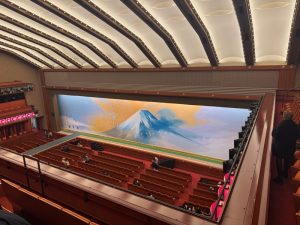
This guide explains how tourists can buy kabuki tickets easily in English:
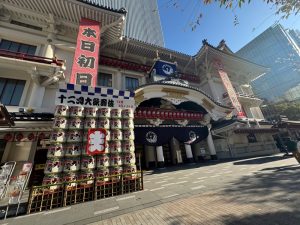
Once you have your ticket, here’s what to expect once you’re inside the theater, including seating etiquette:
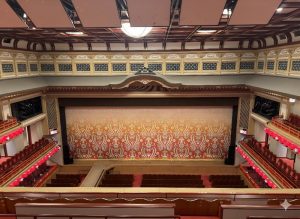
And if you want to choose the best seat for your budget and view, this guide compares seat types across Japan’s kabuki theaters:
Frequently Asked Questions
- Q. Do I need to speak Japanese to watch kabuki?
-
No. Kabukiza offers English audio guides and English program notes, so you can follow the story and understand the highlights even without any Japanese ability.
- Q. Can I watch just one act instead of the whole program?
-
Yes, at Kabukiza. Single-act tickets (often called “makumi” seats) let you watch one act only, for a lower price and a shorter time commitment — ideal if your schedule in Tokyo is tight.
- Q. Is the National Theatre in Tokyo still open for kabuki?
-
No. It has been closed since October 2023 for reconstruction, and as of 2026 the reopening date is still undecided. Kabukiza and Shinbashi Enbujo are the main Tokyo venues in the meantime.
- Q. Which is better for a first visit: Tokyo or Kyoto?
-
Tokyo is easier for first-timers because Kabukiza runs performances almost every day and has the most English support. Kyoto’s Minami-za is wonderful, but its kabuki runs are limited to a few periods a year, so it only works if your visit lines up with the schedule.
Final Thoughts
Watching kabuki in Japan is a special cultural experience, and choosing the right theater makes it much easier and more enjoyable, especially for first-time visitors.
If you plan ahead — checking the schedule, picking the right theater, and deciding between a full program or a single act — kabuki can become one of the true highlights of your trip to Japan.
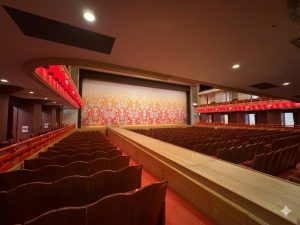
🎭 Want to See Kabuki Live?
If you’re planning a trip to Tokyo, Kabuki-za is one of the most memorable ways to experience Japanese culture firsthand. GetYourGuide offers English-friendly Kabuki-za tickets and guided experiences, including options with headset translation and pre-show introductions for first-time viewers.
👉 Check Kabuki-za Tickets on GetYourGuide
This section may contain affiliate links. Booking through them costs you nothing extra and helps support this site.



コメント