
“When does kabuki season actually happen?” “When’s the best time for a first-timer to go?” This guide walks through kabuki’s year-round rhythm month by month, so you can plan your visit around the atmosphere and program style that suits you best.
Kabuki Runs All Year Round
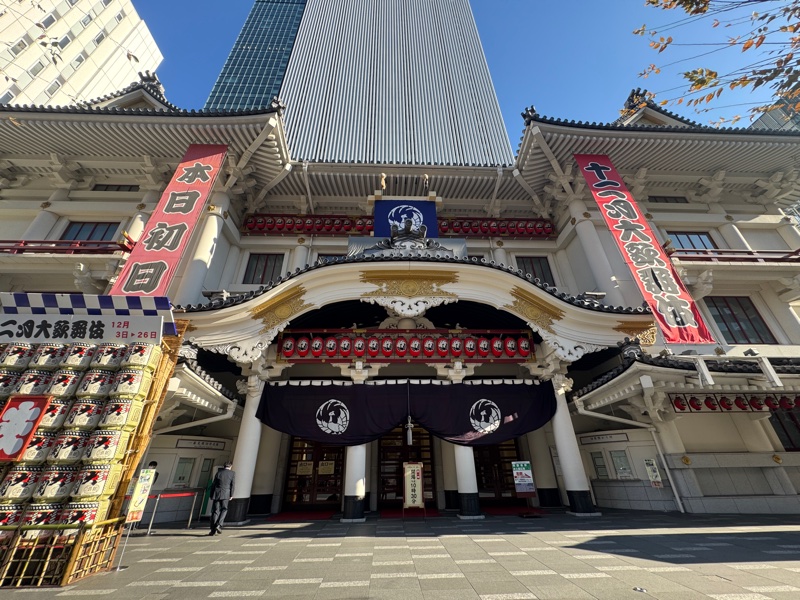
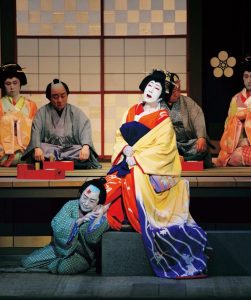
A common misconception is that kabuki has a specific “season.” In reality, it’s performed year-round, across multiple venues. Kabukiza in Tokyo’s Ginza district runs a new program almost every month, and theaters like Minamiza (Kyoto), Shinbashi Enbujo (Tokyo), and Hakata-za (Fukuoka) stage kabuki regularly throughout the year as well. That said, the atmosphere and style of programming shifts noticeably depending on the time of year — and a handful of annual traditions stand out in particular: the year-end kaomise (“face-showing”) program, the spring Dankiku-sai festival, and the summer Noryō Kabuki.
Kabuki outside Tokyo has its own distinct character worth knowing about, too.

The Kabuki Calendar, Month by Month
January: New Year’s Program
January brings a New Year’s program befitting the start of the year, filled with festive, celebratory pieces and kabuki’s characteristic grandeur.
February: A Quieter, Substance-Focused Month
February tends toward calmer, more substantial programming, often featuring accomplished veteran performers. Kabuki enthusiasts tend to enjoy this month, though first-timers may find it a touch more subdued.
March: Fresh, Topical Programming
March often features programs centered on younger performers or timely, headline-worthy productions — frequently more approachable and a good entry point for newcomers.
April: Tourist Season
April overlaps with Japan’s spring tourist season, and many first-time viewers attend during this period. Programming tends to be relatively easy to follow, pairing well with sightseeing plans.
May: Dankiku-sai — One of the Year’s Biggest Events
May is defined by Dankiku-sai, an annual festival at Kabukiza celebrating the Ichikawa and Onoe acting families, drawing top-tier performers for what’s widely considered one of the year’s premier events. With famous plays and an all-star cast, this is a great choice for anyone who wants a full, “quintessential kabuki” experience — a strong first-time recommendation if you want the real deal from the start.
June: Calm, Classic Programming
June tends toward composed, substantial classic works — well suited to viewers who want to savor performance quality over spectacle.
July: A Reliable Summer Program
July often features well-loved, crowd-pleasing plays, making it a dependable choice across a wide range of viewers.
August: Noryō Kabuki — Best for Beginners
August’s Noryō Kabuki (“Cool Summer Kabuki”) programs tend to run shorter and favor easy-to-follow content — making this month a genuinely excellent starting point for a first-time visitor who wants a manageable introduction.
September: Shūzan-sai
September’s Shūzan-sai festival honors the inheritance of a great actor’s artistry across generations. Programming here tends to be composed but genuinely rewarding for viewers who want to settle in and savor the performances.
October: Arts Festival Season
October often features “arts festival” and autumn-themed programs with a strong artistic focus — a good pick for viewers who prioritize substance over spectacle.
November–December: Kaomise — The Year’s Grand Finale
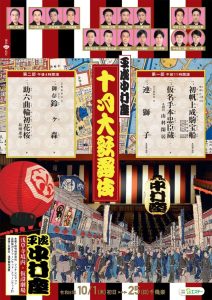
The kaomise (“face-showing”) program runs every year from November into December, known formally as Kichirei Kaomise Ōkabuki — a special year-end production gathering the era’s leading performers. Kyoto’s Minamiza kaomise in particular is one of the most celebrated of these, with the theater’s façade decorated in maneki — wooden signboards bearing each performer’s name — a beloved winter tradition in Kyoto.
Best Time for a First Visit
Since the atmosphere and difficulty level shift so much by month, it’s worth choosing your first visit deliberately.
- Top recommendation: August (Noryō Kabuki) — shorter runtimes and accessible programming make this the easiest entry point for a true first-timer.
- Runner-up: May (Dankiku-sai) — ideal if you want to experience “full-scale, authentic kabuki” right from your first visit, complete with famous plays and star performers.
- For a special occasion: the year-end kaomise (Nov–Dec) — a genuinely festive, prestigious atmosphere, though tickets can be harder to secure.
As a simple rule of thumb: easiest → August, full traditional experience → May, special occasion → December.
Frequently Asked Questions
- Is there an official “kabuki season”?
-
No — kabuki is performed year-round across Japan’s major theaters, though the atmosphere and style of programming shift noticeably from month to month.
- What’s the best month for a first-time visitor?
-
August’s Noryō Kabuki is the top recommendation, thanks to shorter runtimes and more accessible programming. May’s Dankiku-sai is a strong second choice if you want a full, traditional kabuki experience right away.
- What is “kaomise”?
-
Kaomise (“face-showing”) is a special year-end kabuki program running from November into December, gathering leading performers of the era — Kyoto’s Minamiza kaomise, marked by name-bearing signboards on the theater’s façade, is especially famous.
Summary
Kabuki runs all year, but each month carries its own distinct atmosphere and style of programming. First-time visitors will get the smoothest introduction in August, the fullest traditional experience in May, and the most festive, prestigious occasion at the year-end kaomise. Pick the month that matches what kind of experience you’re after, and check the current program before you go.
🎭 Want to See Kabuki Live?
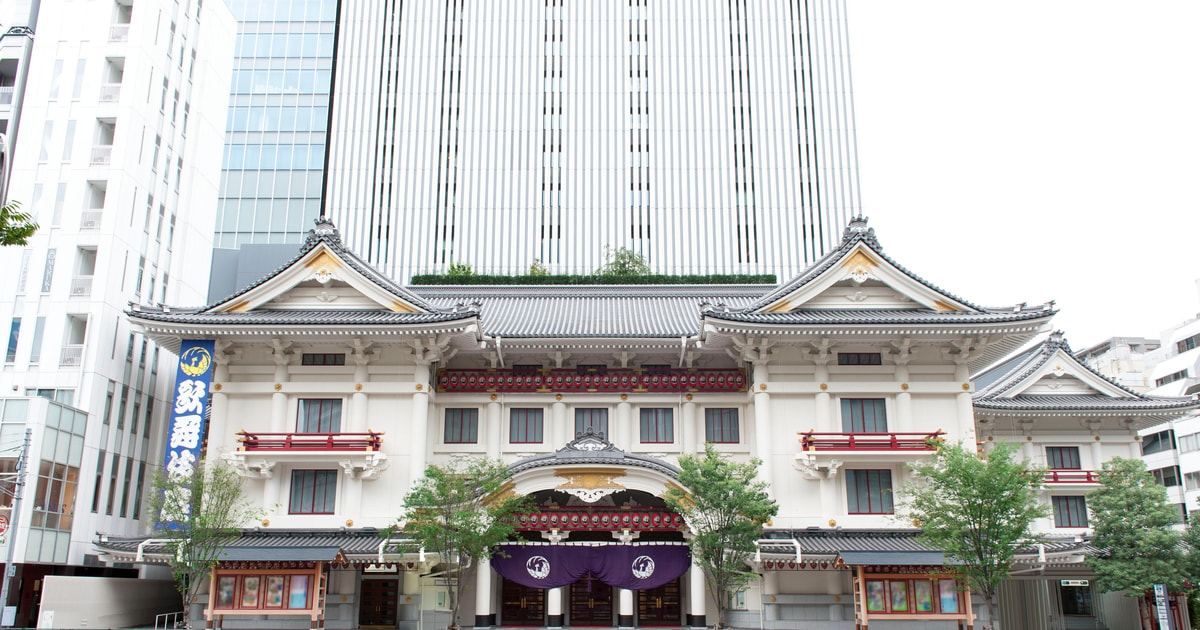
If you’re planning a trip to Tokyo, Kabuki-za is one of the most memorable ways to experience Japanese culture firsthand. GetYourGuide offers English-friendly Kabuki-za tickets and guided experiences, including options with headset translation and pre-show introductions for first-time viewers.
👉 Check Kabuki-za Tickets on GetYourGuide
This section may contain affiliate links. Booking through them costs you nothing extra and helps support this site.



コメント