
Tokyo’s Kabukiza gets most of the international attention, but it’s far from the only place to see real, high-quality kabuki in Japan. Several other cities host their own historic theaters and signature annual productions — some of them genuinely worth planning a trip around.
Kyoto: Minamiza
Kyoto’s Minamiza, located in the historic Gion district, is one of Japan’s oldest kabuki theaters, with roots tracing back to the Edo period. Its most famous annual event is Kaomise (“face-showing”), a December production that traditionally introduces the coming year’s roster of leading actors — a genuinely festive, high-profile production that draws serious kabuki fans from across the country. Watching kabuki here, in the same historic entertainment district that helped shape kabuki’s early identity, adds a real sense of place that’s hard to replicate elsewhere.
Osaka: Osaka Shōchikuza
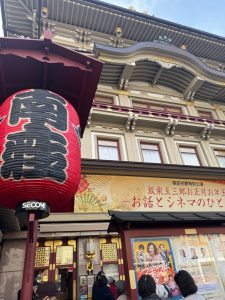
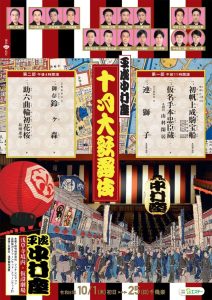
Osaka Shōchikuza, in the lively Dōtonbori entertainment district, was Osaka’s primary kabuki venue for over a century — but the theater permanently closed in May 2026 after 103 years in operation, following its final performance, and the building is now being demolished. Osaka still has its own distinct place in kabuki history: the Kamigata region (Osaka and Kyoto together) developed wagoto, the soft, romantic performance style that stands as aragoto’s stylistic counterpart, and Osaka-set plays carry a genuinely different flavor from Edo-centered stories. With Shōchikuza gone, where (and whether) regular kabuki appears in Osaka going forward is genuinely in flux — check current listings before planning a trip around it.

Nagoya: Misonoza
Nagoya’s Misonoza hosts periodic kabuki productions alongside its broader theatrical program, offering visitors to central Japan a chance to catch a major production without traveling all the way to Tokyo, Kyoto, or Osaka.
Fukuoka: Hakataza
On the southern island of Kyushu, Fukuoka’s Hakataza regularly hosts kabuki productions featuring leading actors from Tokyo’s major families, giving visitors to western Japan a legitimate, full-scale kabuki option outside the traditional Tokyo-Kyoto-Osaka circuit.
Tokyo Beyond Kabukiza: Tachikawa and Other Local Venues
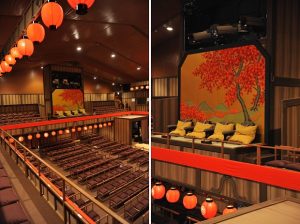
Even within greater Tokyo, kabuki isn’t confined to Kabukiza alone. Special productions in outlying areas, such as the annual Tachikawa Tachihi Kabuki Special Performance in a modern, purpose-built hall, offer a genuinely different flavor of the experience — often more accessible and beginner-friendly, staged in venues designed with contemporary sightlines and acoustics rather than a centuries-old theatrical layout. These productions are worth watching for if your trip includes time outside central Tokyo.

The Bucket-List Option: Konpira Kabuki at Kanamaruza
For a genuinely unique experience, Kanamaruza in Kotohira, Kagawa Prefecture, is Japan’s oldest surviving kabuki playhouse still in active use, dating to the 1830s. Once a year, it hosts Konpira Kabuki, a special production performed by leading actors within the theater’s original wooden structure — no modern stage machinery, no electric lighting tricks, just kabuki performed roughly the way Edo-period audiences would have experienced it. Tickets sell out quickly and the trip requires real planning, but it’s widely considered one of the most atmospheric ways to see kabuki anywhere in Japan.
Why Bother Leaving Tokyo?
Beyond simple logistics — maybe you’re visiting Kyoto or Osaka anyway — regional theaters often carry their own local flavor, whether that’s Kyoto’s Kaomise tradition, Osaka’s wagoto-rooted performance style, or Kanamaruza’s genuinely time-capsule atmosphere. None of these venues are lesser versions of Kabukiza; they’re simply different windows into the same four-century-old art form, each shaped by the city and history around it.
Frequently Asked Questions
- Is kabuki outside Tokyo lower quality than at Kabukiza?
-
No — regional theaters like Minamiza, Osaka Shōchikuza, and Hakataza regularly host the same leading actors and major families that perform at Kabukiza, just in a different city and setting.
- What makes Konpira Kabuki at Kanamaruza special?
-
Kanamaruza is Japan’s oldest surviving kabuki playhouse still in use, dating to the 1830s. Its annual Konpira Kabuki production is performed within the original wooden structure, without modern stage technology, offering an unusually authentic historical atmosphere.
- Do regional kabuki theaters offer English support like Kabukiza does?
-
Availability varies by theater and production, so it’s worth checking each venue’s current offerings in advance rather than assuming the same English earphone guide or subtitle options available at Kabukiza.
Summary
From Kyoto’s historic Minamiza to the time-capsule atmosphere of Kanamaruza in rural Kagawa, kabuki extends well beyond Tokyo’s Kabukiza. If your trip to Japan takes you through Kyoto, Osaka, Nagoya, or Fukuoka, it’s genuinely worth checking what’s playing locally — and if a Konpira Kabuki trip ever fits your schedule, it’s one of the most memorable ways to experience the art form anywhere in the country.
🎭 Want to See Kabuki Live?
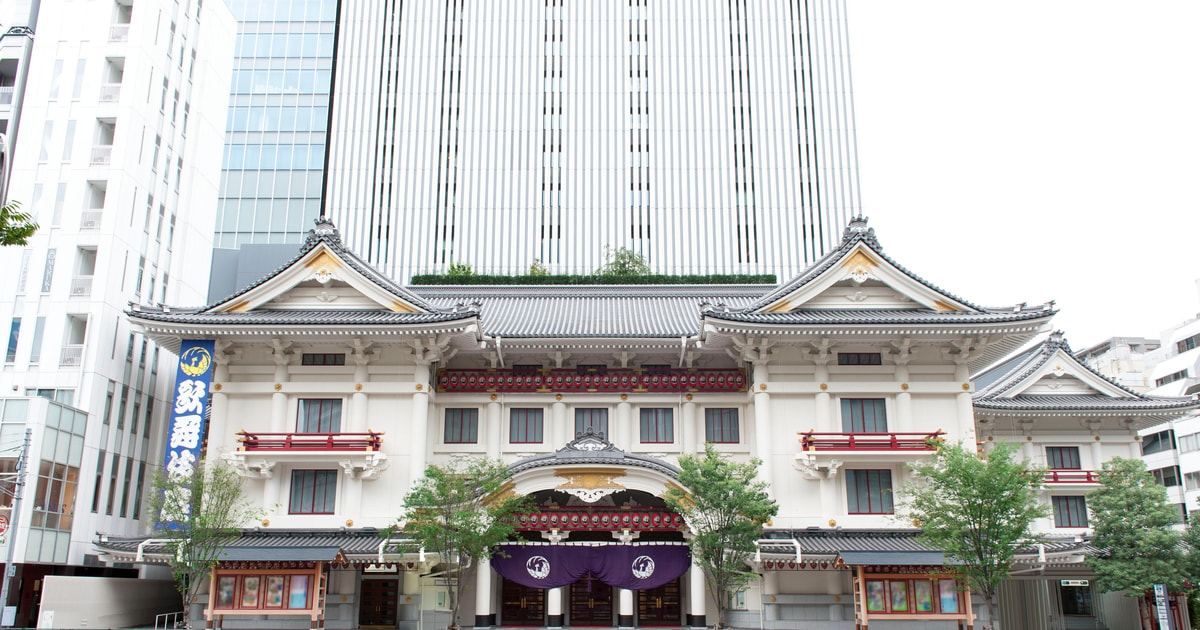
If you’re planning a trip to Tokyo, Kabuki-za is one of the most memorable ways to experience Japanese culture firsthand. GetYourGuide offers English-friendly Kabuki-za tickets and guided experiences, including options with headset translation and pre-show introductions for first-time viewers.
👉 Check Kabuki-za Tickets on GetYourGuide
This section may contain affiliate links. Booking through them costs you nothing extra and helps support this site.






コメント
コメント一覧 (1件)
[…] あわせて読みたい Kabuki Outside Tokyo: Kyoto, Osaka, Nagoya, and Beyond Kabukiza isn’t the only place to see kabuki. From Kyoto’s historic Minamiza to Japan’s oldest surviving playhouse in rural Kagawa, here’s wh […]