
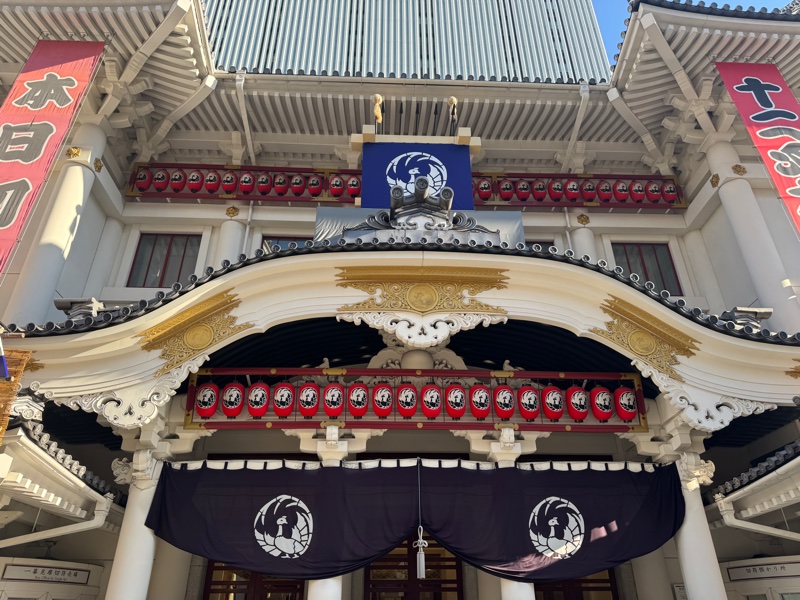
A full kabuki program is a genuine time commitment — typically three to four hours, including intermissions — but that’s far from your only option. Here’s what to actually expect, and how to plan a visit around the amount of time you actually have.
The Short Answer
A full kabuki program at a major theater like Kabukiza typically runs three to four hours total, usually split into a matinee and evening program, each further divided into several acts with intermissions between them. If that sounds like a lot, it’s worth knowing that you don’t have to commit to the whole thing.
How a Full Program Is Structured
Kabuki programs are typically organized into a matinee (hiru no bu) and an evening program (yoru no bu), each running roughly three to four hours and featuring multiple distinct plays or acts within it. You generally choose one or the other rather than attending both back to back, though dedicated fans sometimes do exactly that on a single visit. Within each program, individual acts run anywhere from thirty minutes to well over an hour, separated by intermissions that themselves can run fifteen to thirty minutes — long enough for a proper meal at some theaters.
The Shorter Option: Makumi Single-Act Seats
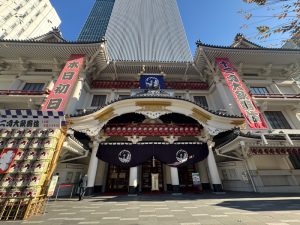
If a multi-hour commitment doesn’t fit your schedule, Kabukiza’s makumi system lets you watch just a single act — typically anywhere from thirty minutes to about an hour — at a dramatically reduced price. It’s specifically designed for exactly this situation: a real, complete piece of kabuki without the full-length time commitment, making it the easiest way to fit kabuki into a tightly packed travel itinerary.
Why Individual Play Lengths Vary So Much
Some kabuki plays are famously compact — Sanmon Gosan no Kiri, for instance, runs a mere fifteen minutes but still delivers a complete dramatic arc. Others, particularly full multi-act epics like Yoshitsune Senbon Zakura, can run for hours when staged as a complete tōshi kyōgen (“through-play”), which is exactly why full productions of the longest classics are relatively rare — most performances instead select a handful of the most popular scenes rather than staging the entire work start to finish.

Planning Around Your Own Schedule
- Have under an hour? A single makumi act is your best bet.
- Have a half-day free? A full matinee or evening program (three to four hours) gives you the complete, traditional kabuki experience.
- Traveling with kids or a tight itinerary? Makumi seating again offers the most flexibility, letting you leave after a single act without missing out on anything you paid for.

Frequently Asked Questions
- How long does a full kabuki program run?
-
Typically three to four hours, including intermissions, whether you attend the matinee or evening program.
- Can I watch just part of a kabuki program?
-
Yes — Kabukiza’s makumi system lets you purchase a ticket for just a single act, typically thirty minutes to about an hour, at a much lower price than a full program.
- Why don’t theaters stage full, uncut classic plays more often?
-
Many classic kabuki plays run for many hours in their complete, original form, so most productions select the most popular scenes rather than staging the entire work — full productions (tōshi kyōgen) remain relatively rare.
Summary
A full kabuki program runs three to four hours, but that’s the maximum commitment, not the minimum — with makumi single-act seating and compact plays like Sanmon Gosan no Kiri, there’s a legitimate way to fit kabuki into almost any schedule, from a spare hour to a full afternoon.
🎭 Want to See Kabuki Live?
If you’re planning a trip to Tokyo, Kabuki-za is one of the most memorable ways to experience Japanese culture firsthand. GetYourGuide offers English-friendly Kabuki-za tickets and guided experiences, including options with headset translation and pre-show introductions for first-time viewers.
👉 Check Kabuki-za Tickets on GetYourGuide
This section may contain affiliate links. Booking through them costs you nothing extra and helps support this site.





コメント