
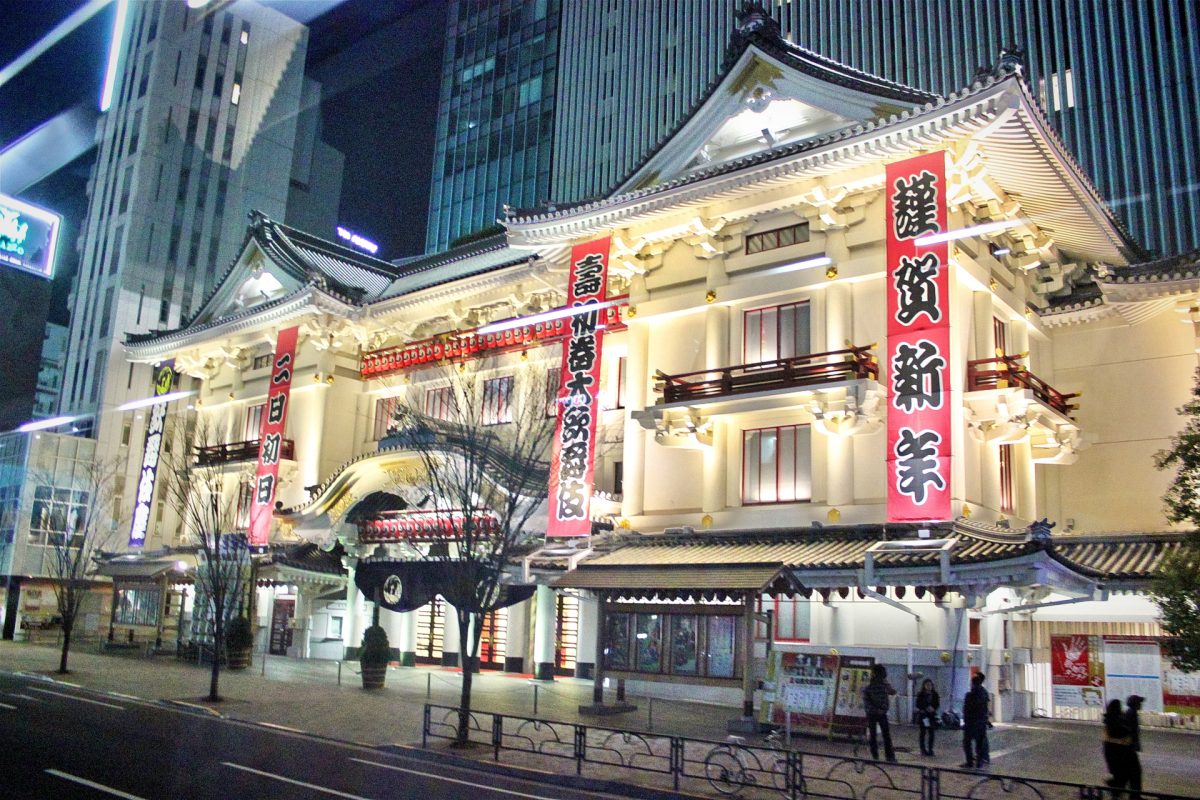
Short answer: wear whatever you’d wear to a nice dinner out, and you’ll be completely fine. Kabuki has a reputation for formality that doesn’t quite match reality — here’s what’s actually expected, and what genuinely isn’t.
There’s No Official Dress Code
Kabuki theaters, including Kabukiza, don’t enforce a formal dress code for general audience members. You won’t be turned away for wearing jeans, and you don’t need a suit or a kimono to attend. Kabuki has always been, at its core, entertainment for a broad general audience rather than an exclusive event requiring formal attire — a spirit that carries through to how casually most attendees actually dress today.
What Most People Actually Wear
In practice, audiences at Kabukiza skew toward smart-casual: clean, presentable clothing without being formal wear. Think of the general vibe as similar to a nicer restaurant or a daytime cultural outing — collared shirts, blouses, slacks, and neat casual dresses are all common, while beachwear, athletic gear, or anything overly worn or scruffy would stand out as underdressed for the setting.
Kimono: Welcomed, Never Required
You’ll likely spot some audience members wearing kimono, especially at Kabukiza and especially among older or longtime kabuki fans — it’s a lovely tradition and genuinely welcomed, but it’s a personal choice rather than an expectation. Visitors are absolutely not expected to wear kimono, and doing so isn’t required to feel like you belong in the room. If you happen to be traveling with a kimono rental experience already planned, wearing it to a performance is a wonderful pairing, but skip it entirely if it’s not already part of your plans.
Practical Comfort Matters More Than Style
A few practical considerations matter more than fashion: full programs run three to four hours including intermissions, so comfortable footwear and clothing you can sit in for extended periods are worth prioritizing over anything more restrictive. Theaters are climate-controlled, but layering is still a smart move given how much time you’ll spend seated indoors.
What to Avoid
- Strong perfume or cologne — in a quiet, close-seated theater, strong scents can be genuinely distracting to those around you.
- Noisy or bulky outerwear — thick, crinkly jackets can create distracting sound in a hushed auditorium; consider checking a coat if the weather allows.
- Anything you can’t comfortably sit in for hours — this is a longer commitment than a typical movie, so prioritize comfort over formality.
Are There Ever Exceptions?
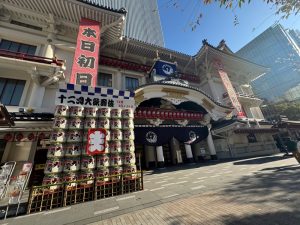
Special premium events, gala performances, or milestone name-succession celebrations can occasionally draw a somewhat more dressed-up crowd, simply because of the occasion’s significance to longtime fans — but even then, it’s a matter of social custom rather than an enforced rule. For a typical performance on a typical day, there’s genuinely no need to overthink what you wear.
Frequently Asked Questions
- Do I need to wear a kimono to watch kabuki?
-
No — kimono is welcomed but entirely optional. Most audience members, including Japanese attendees, wear regular smart-casual clothing.
- Can I wear jeans to Kabukiza?
-
Yes — clean, presentable casual wear like jeans paired with a nicer top is completely acceptable for a typical performance.
- Is there ever a stricter dress code for special events?
-
Major milestone events like name-succession celebrations sometimes draw a more dressed-up crowd by custom, but even then, there’s no formally enforced dress code.
Summary
Kabuki has no formal dress code — smart-casual clothing you’d wear to a nice dinner out is the safe, comfortable default, and kimono is a welcomed option rather than an expectation. Prioritize comfort for a multi-hour sit over any particular style, and you’ll fit right in.
Related Reading

🎭 Want to See Kabuki Live?
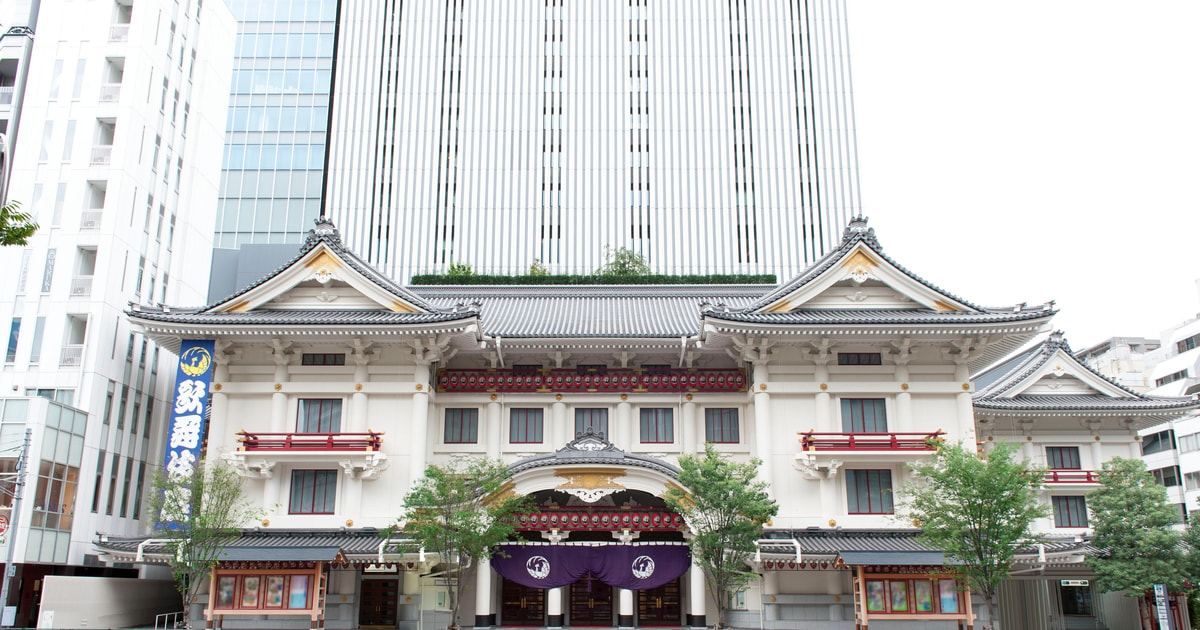
If you’re planning a trip to Tokyo, Kabuki-za is one of the most memorable ways to experience Japanese culture firsthand. GetYourGuide offers English-friendly Kabuki-za tickets and guided experiences, including options with headset translation and pre-show introductions for first-time viewers.
👉 Check Kabuki-za Tickets on GetYourGuide
This section may contain affiliate links. Booking through them costs you nothing extra and helps support this site.


コメント