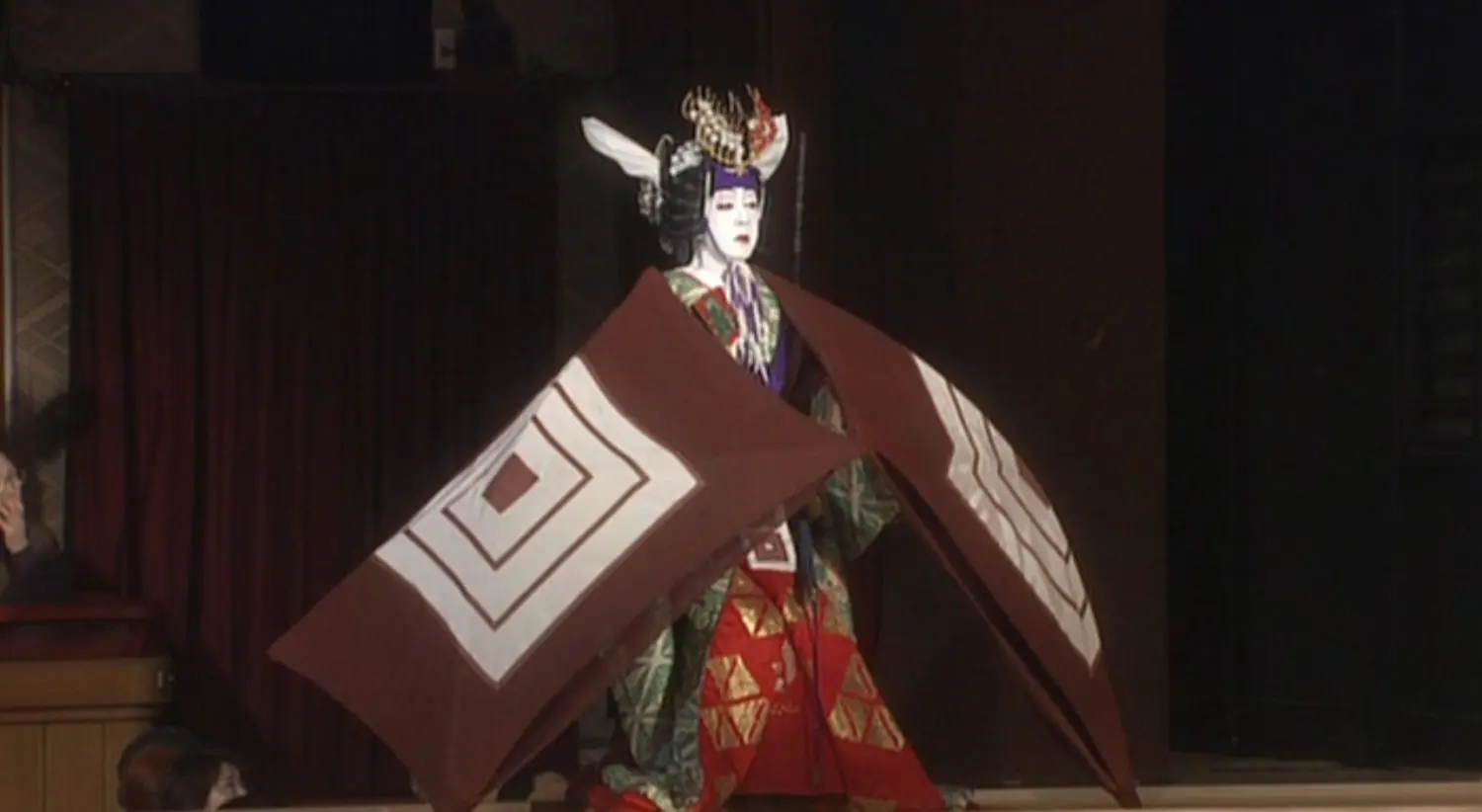
Onna Shibaraku (女暫, “Lady Shibaraku”) takes kabuki’s iconic bold-style classic Shibaraku and swaps its hero for a female lead — a playful, affectionate parody that’s every bit as spectacular as the original, with a healthy dose of humor built in.
What Is Onna Shibaraku?
Shibaraku is one of the Kabuki Jūhachiban, the signature repertoire of the Ichikawa family — a hero bursts in shouting “Shibaraku!” (“Wait!”) at the top of his lungs to stop injustice in its tracks, the very embodiment of bold aragoto style. Onna Shibaraku replaces that hero with a woman — not a straight remake, but a deliberate variation that developed as an affectionate parody of the original.
The Heroine: Tomoe Gozen
The lead of Onna Shibaraku is the legendary woman warrior Tomoe Gozen. Interestingly, while the standard Shibaraku only settled on Kamakura Gongorō as its definitive hero after the Meiji era, Onna Shibaraku has featured Tomoe Gozen as its lead since much earlier — and it’s easy to see why. Very few women in Japanese history could plausibly stride down the hanamichi with a massive sword, shouting “Shibaraku!” and make it land. Tomoe Gozen is essentially the only candidate who fits — which is exactly why she’s the character forever tied to this piece.
Synopsis
Kaba no Kanja Noriyori, a powerful warrior who distinguished himself in the Genpei War, visits Kitano Tenmangū shrine with his retainers — but he’s secretly a corrupt schemer plotting to seize power for himself. His entourage is a rogue’s gallery of vivid, larger-than-life characters.
Also present are the righteous young warrior Shimizu no Kanja Yoshitaka and his betrothed, Kōbai-hime, along with several loyal allies who speak out against Noriyori’s tyranny. Enraged, Noriyori orders his retainer Narita Gorō to have them all killed.
At that exact moment — “Shibaraku!” A voice rings out from the hanamichi, and the mighty Tomoe Gozen strides onto the scene. This piece leans directly on the setup of Shibaraku itself, with the twist that its heroic role is taken on by a woman.
Tomoe Gozen delivers a bold declaration and saves Yoshitaka and his allies. Through her own cunning and the help of Tezuka Tarō Mitsumori, she also recovers a legendary lost sword, Kurikaramaru, before driving off Noriyori’s men with her massive blade.
Having dealt with the villains, Tomoe Gozen turns to leave the stage — but rather than the bold roppō exit walk that closes the standard Shibaraku, she has to ask a stagehand to teach her how to do it on the spot, exiting with a touch of bashful charm. That coexistence of raw strength and endearing vulnerability is the real flavor of Onna Shibaraku.
The recovered sword, Kurikaramaru, is named for Kurikara, a manifestation of the deity Fudō Myōō — a sword symbolizing the cutting away of evil, so its recovery represents the restoration of justice.
Characters
Tomoe Gozen
A woman warrior of legendary strength, and the heroine of the piece. She strides in from the hanamichi shouting “Shibaraku!”, stops the villains in their tracks, recovers the sword Kurikaramaru, and saves Yoshitaka and his allies — all while carrying both real dignity and an endearing touch of charm.
Kaba no Kanja Noriyori
A distinguished warrior of the Genpei War who has become corrupted by ambition, secretly plotting to seize power for himself — the play’s central antagonist.
Narita Gorō
A fierce warrior acting on Noriyori’s orders, played in classic red-faced villain style.
Todorokibō Shinsai
A comic “catfish priest” character, half clown and half villain, providing much of the play’s humor.
Shimizu no Kanja Yoshitaka and Kōbai-hime
A righteous young warrior and his betrothed, whose objection to Noriyori’s tyranny sets the conflict in motion.
Highlights
Aragoto Meets Onnagata
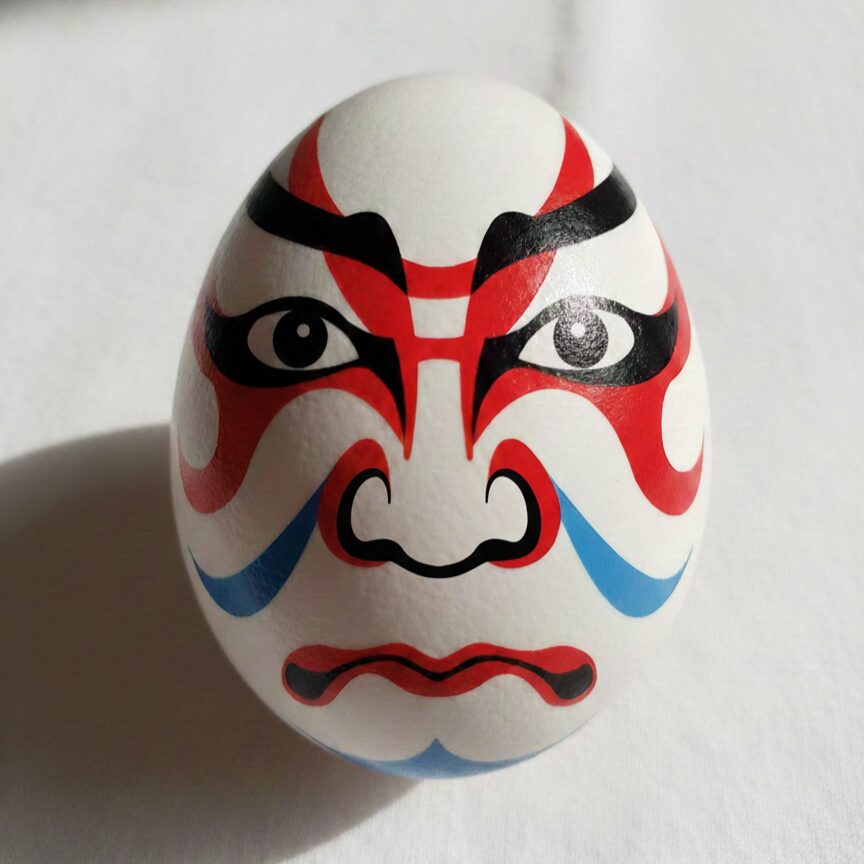
Aragoto is traditionally a bold, masculine style — but in Onna Shibaraku, the lead is a dignified, beautiful woman who also happens to have superhuman strength. That contrast between icy resolve and moments of unguarded shyness is irresistible. The stage fills with kabuki’s classic character types all at once — a red-faced hero, a blue-kumadori villain, a clownish “catfish priest,” and an elegant princess — making for a visually vibrant, thoroughly entertaining production.
The Roppō “Lesson” — The Biggest Highlight of All
In the standard Shibaraku, the hero exits with a bold, stomping roppō walk down the hanamichi. But Tomoe Gozen is, after all, a woman — so rather than performing the roppō herself, she calls a stagehand out from the wings and has him teach her the steps right there on stage. In that moment, Tomoe Gozen briefly becomes “the actor playing Tomoe Gozen” — a wonderfully meta touch unique to kabuki, and one that never fails to delight the audience.
Is Onna Shibaraku Good for Beginners?
- Visually spectacular enough to enjoy with zero kabuki background
- A great way to experience kabuki’s stylized aesthetics firsthand
- Easy to spot exactly where the jokes land
It works as an entry point for total newcomers, and as a delightful “twist on the familiar” for anyone who’s already seen the standard Shibaraku — genuinely worth watching either way.
Frequently Asked Questions
- Is Onna Shibaraku part of the official Kabuki Jūhachiban?
-
No — the standard Shibaraku is one of the Kabuki Jūhachiban, but Onna Shibaraku is a separate variation that developed as a parody, not part of the official repertoire itself.
- Why doesn’t Tomoe Gozen perform the roppō exit herself?
-
It’s a deliberate comic touch — since the roppō is traditionally a masculine, bold-style walk, the play has her ask a stagehand to teach her on the spot, briefly breaking the fourth wall for a delightfully meta moment.
- Do I need to see the original Shibaraku first?
-
Not necessarily — Onna Shibaraku works on its own, but knowing the original adds an extra layer of appreciation for how cleverly it plays with the familiar formula.
Summary
Onna Shibaraku takes one of kabuki’s boldest heroic formulas and hands it to a woman warrior instead — delivering all the spectacle of the original alongside genuine wit and warmth. Between Tomoe Gozen’s commanding presence and the delightfully meta roppō “lesson,” it’s a piece that rewards newcomers and longtime fans alike.

🎭 Want to See Kabuki Live?
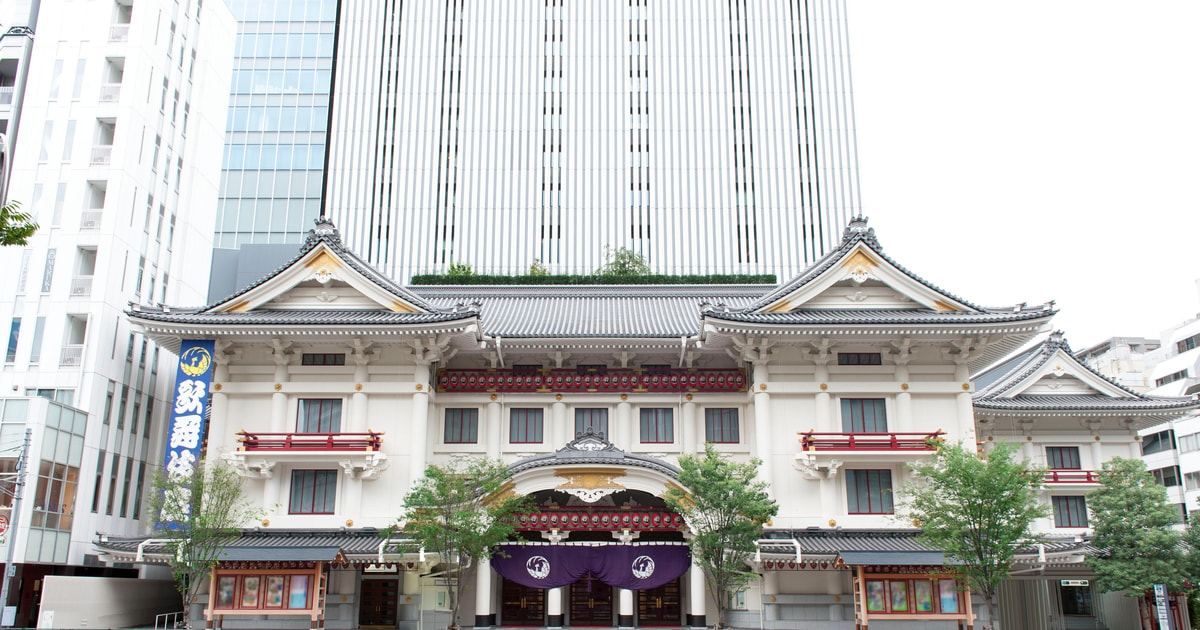
If you’re planning a trip to Tokyo, Kabuki-za is one of the most memorable ways to experience Japanese culture firsthand. GetYourGuide offers English-friendly Kabuki-za tickets and guided experiences, including options with headset translation and pre-show introductions for first-time viewers.
👉 Check Kabuki-za Tickets on GetYourGuide
This section may contain affiliate links. Booking through them costs you nothing extra and helps support this site.



コメント