
Is Kabuki Worth Watching for Tourists? An Honest Answer
To be honest,
at first I thought kabuki might be difficult and boring for foreign visitors.
It looks long.
The language is Japanese.
And the rules feel unfamiliar.
Many first-time visitors worry about things like:
- “I don’t understand Japanese.”
- “The story looks hard to follow.”
- “What if I break some rule I don’t know about?”
After watching kabuki many times over the years, here’s what I honestly believe now:
If the conditions are right, kabuki can be one of the most memorable cultural experiences of a trip to Japan.
In this article, I’ll explain — honestly, not just as marketing — who will enjoy kabuki, who might not, and exactly what to do to make sure your first visit goes well.
Conclusion First: Kabuki Is Worth It for These People
Kabuki is a good choice if you:
- Want to experience real, living Japanese culture — not a museum piece, but a performance still staged for paying audiences today
- Can enjoy atmosphere and spectacle, not only a clear, fast-moving story
- Already like theater, opera, musicals, or classic cinema
Many visitors end up enjoying kabuki more than they expected — precisely because they went in with modest expectations.
However, kabuki may not be the best choice if you:
- Only enjoy fast-paced, dialogue-heavy entertainment
- Find it genuinely hard to sit still for an hour or more
- Need to fully understand every line of dialogue to feel engaged
Being honest about this in advance helps you avoid disappointment — and helps you choose the right program if you do decide to go.
Can You Enjoy Kabuki Without Speaking Japanese?
This is the most common question I get, so let’s deal with it directly.
The short answer is: Yes. You can enjoy kabuki without speaking a word of Japanese.
In fact, plenty of Japanese people in the audience don’t fully understand every line either — kabuki dialogue uses archaic, stylized Japanese that even native speakers sometimes need help with (which is exactly why English and Japanese audio guides both exist at Kabukiza).
Kabuki was never meant to be understood through words alone. It communicates through:
- Exaggerated, sculptural movement
- Dramatic facial expressions, including the famous mie pose
- Live shamisen music and vocal narration
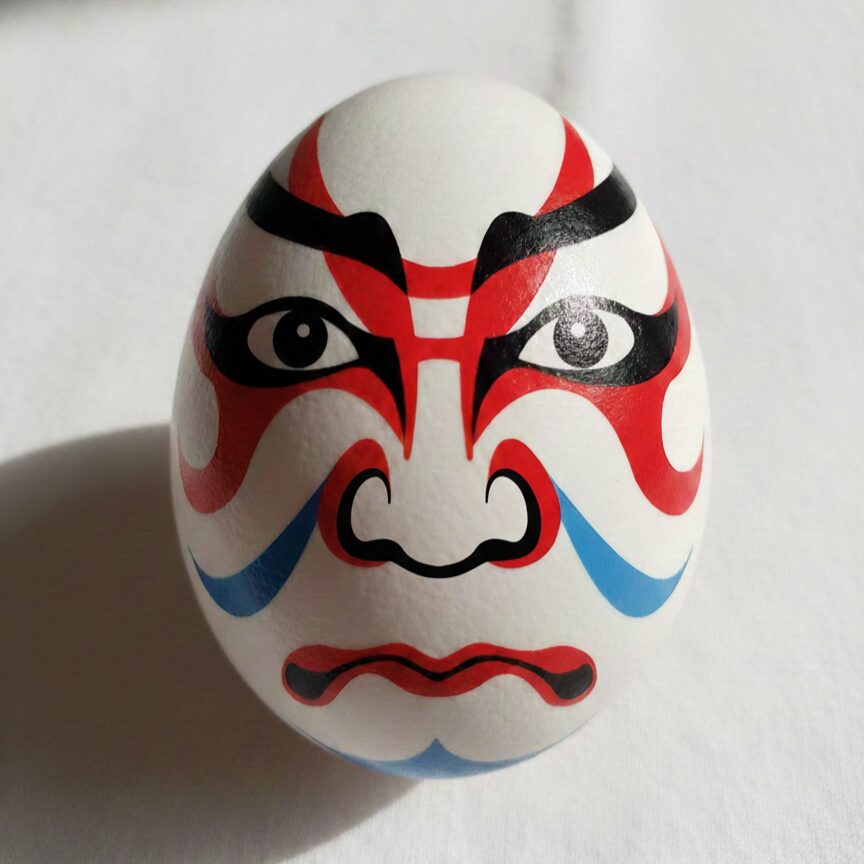
- Extraordinarily detailed costumes and stage makeup (kumadori)
Even if you don’t follow the plot line by line, you can usually feel: “Something important is happening right now.” For most first-time visitors, that’s enough to make the experience worthwhile.
Is Kabuki Boring? Let’s Be Honest
Some kabuki programs really are long, and the pace can feel slow to a first-time viewer used to modern film editing.
But whether it feels boring depends heavily on which show you choose, not on kabuki itself:
- A beginner-friendly, visually dramatic play
- A shorter, single-act ticket rather than a full multi-hour program
With the right choice, many first-timers say: “It was more interesting than I expected,” or “The time went by faster than I thought.”
For your first visit, it’s genuinely better not to choose the longest, most dialogue-heavy performance available. Visually spectacular plays like Shibaraku, Sukeroku, or Kanjincho tend to work very well for newcomers, since they lean on movement, costume, and stage presence rather than dense dialogue.
Why I Still Recommend Kabuki to Tourists
Even with those caveats, I still recommend kabuki to almost every visitor who asks me. Here’s why:
- You genuinely cannot experience it outside Japan — kabuki is a living tradition, not a recreation
- Photos and video clips do not capture its real power; the scale and presence only register in person
- You can feel Japanese culture with your whole body, not just read about it
When an actor freezes in a dramatic mie pose at the climax of a scene, the air in the theater visibly changes — and the audience’s reaction (shouts of the actor’s yago, or stage name, from the upper balcony) is itself part of the show. You can only feel this by being in the room.
Tips to Avoid Mistakes on Your First Visit
If this will be your first kabuki experience, these tips will help:
- Choose a well-known, tourist-friendly theater — Kabukiza in Tokyo is the easiest starting point
- Look specifically for shows or ticket types with English support (audio guide, program notes, or subtitles)
- Start with a single-act ticket or a shorter program rather than committing to a full-day show
- Read up briefly on the play beforehand — even a two-minute plot summary makes a huge difference
If buying tickets in Japanese feels stressful, use an English-language ticket service made for foreign visitors — many first-time tourists do exactly this, and it removes most of the friction.
Frequently Asked Questions
- Is kabuki really worth it if I only have one day in Tokyo?
-
Yes — this is exactly what single-act tickets at Kabukiza are for. You can watch one act, roughly 30–60 minutes, without giving up an entire day of sightseeing.
- Will I understand the story at all without Japanese?
-
You’ll follow the broad emotional arc through movement, music, and expression, and English guides at Kabukiza fill in the plot details. You won’t catch every line, but you’re not expected to.
- What is a “mie” pose that people mention?
-
Mie is a dramatic freeze-pose an actor strikes at a scene’s emotional peak, often accompanied by wooden clappers (tsuke) and shouts from the audience. It’s one of kabuki’s most recognizable, photogenic moments.
- Is kabuki appropriate for kids or teenagers?
-
Visually dramatic, shorter programs can work well for curious teenagers, but very young children may struggle with the length and pace. A single-act ticket is the safest way to test interest before committing to a longer program.
Is Kabuki Worth Trying at Least Once?
Kabuki feels intimidating if you go in thinking, “I must understand everything.”
But if you think of it instead as “a cultural experience unique to Japan,” it becomes far more enjoyable — and far less stressful.
If you’re even a little curious, I believe kabuki is worth trying at least once. Most visitors who go in with the right expectations leave surprised at how much they enjoyed it.
Ready to plan your visit? These guides will help with the practical details:
🎭 Want to See Kabuki Live?
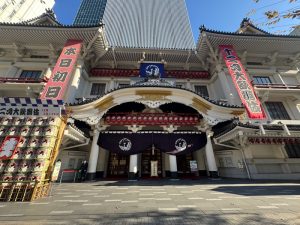
If you’re planning a trip to Tokyo, Kabuki-za is one of the most memorable ways to experience Japanese culture firsthand. GetYourGuide offers English-friendly Kabuki-za tickets and guided experiences, including options with headset translation and pre-show introductions for first-time viewers.
👉 Check Kabuki-za Tickets on GetYourGuide

This section may contain affiliate links. Booking through them costs you nothing extra and helps support this site.



コメント