
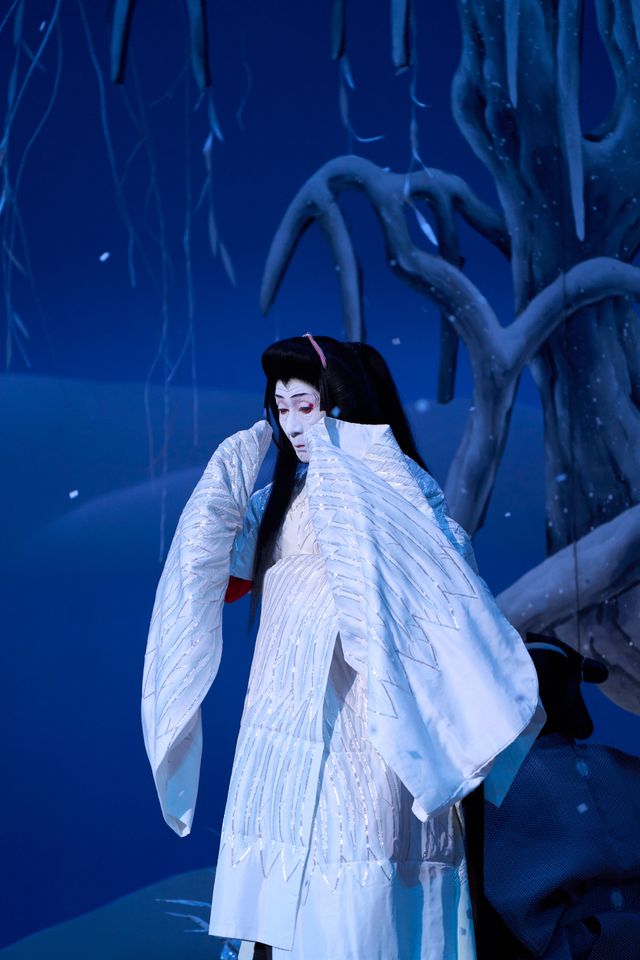
If you’ve seen the movie KOKUHO (National Treasure), one moment likely stayed with you: the haunting dance of Sagi Musume (The Heron Maiden). It isn’t just there because it’s beautiful. Sagi Musume is a deeply symbolic piece — one that carries obsession and madness underneath its beauty — and that’s exactly why it resonates so strongly with what KOKUHO is actually about.
This article looks at why Sagi Musume was chosen for KOKUHO, from the perspective of a kabuki fan.
Sagi Musume Isn’t Just a Beautiful Dance
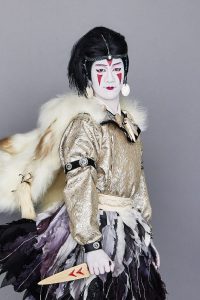
A young woman in pure white robes, dancing quietly in falling snow — that’s the dreamlike, elegant image most people have of Sagi Musume. But its true nature isn’t simple elegance at all.
Sagi Musume is a kabuki dance about a being consumed by love, obsession, and a gradual transformation into something no longer human. Beauty and danger coexist in the same figure — and that duality is the entire point of the piece.
(For the full synopsis and highlights of the dance itself, see our companion article on Sagi Musume.)
Why Sagi Musume, Specifically?
Out of every play in the kabuki repertoire, why this one? A few reasons line up remarkably well with KOKUHO’s own themes.
Because Beauty Here Is Inseparable From Obsession
Sagi Musume is beautiful — but that beauty isn’t decorative. It exists specifically because of suffering and obsession. That’s precisely what KOKUHO is about, too: a world of artistic performance that looks glamorous from the outside, but is built underneath on obsession, conflict, and sacrifice. Beauty and karmic burden (gō) living in the same body — Sagi Musume is an almost perfect symbol for that idea.
Because It Represents the Absolute Peak of Onnagata Artistry
Sagi Musume is often described as the ultimate test of an onnagata‘s skill. Stillness and motion. Elegance and madness. Delicacy and raw strength. All of it has to be carried by a single dancer, alone on stage — which means the depth of an actor’s artistry becomes completely exposed. In a story about people who stake their entire lives on their art, it makes sense that this exact piece would matter so much.
Because It Mirrors the Protagonist’s Own Life
Sagi Musume is a being who dances while carrying deeply human emotion, yet moves like something no longer human at all — and there’s a real loneliness in that image. It overlaps with KOKUHO’s characters in a striking way: living for one’s art, and paying for it. A single dance that can symbolize both the beauty and the cost of that life — that may be exactly why Sagi Musume was the piece chosen.
Shared Themes Between KOKUHO and Sagi Musume
A few themes seem to run through both:
- Beauty and madness — beauty polished to its absolute limit sits right next to madness, in both Sagi Musume and in KOKUHO
- Art and karmic burden — talent alone doesn’t make an art form; obsession sustains it too, a theme running through the whole film
- Fragility and obsession — dancing in falling snow, seemingly about to vanish, yet holding onto fierce attachment underneath — that same duality defines KOKUHO itself
Understanding Sagi Musume Changes How You See KOKUHO
If Sagi Musume left an impression on you in the film, that probably wasn’t an accident. This piece doesn’t function as mere background — it reads more like a device reflecting the story’s central theme back at the audience.
Once you understand Sagi Musume, KOKUHO tends to look deeper. If the movie sparked your curiosity, it’s well worth seeking out the actual kabuki performance of Sagi Musume itself.

Frequently Asked Questions
- Is Sagi Musume a real kabuki play, or was it created for the movie?
-
It’s a real, classic kabuki dance piece with a long performance history, still staged today by leading onnagata actors. KOKUHO uses an existing, celebrated work rather than inventing one.
- Do I need to know the full story of Sagi Musume to understand its role in KOKUHO?
-
Not strictly, but knowing that it’s about beauty inseparable from obsession and transformation makes its placement in the film click into place much more clearly.
- Is Sagi Musume considered a difficult role for actors?
-
Yes — it’s widely regarded as one of the ultimate tests of an onnagata’s artistry, requiring a single dancer to carry stillness, motion, elegance, and madness all at once.
Summary: Not a Coincidental Choice
Sagi Musume wasn’t chosen for KOKUHO simply because it’s beautiful. It was chosen because it can hold, in a single dance, the obsession behind beauty, the peak of an art form, and the weight of human karma all at once. Seen that way, the casting of this particular piece feels remarkably deliberate.

🎭 Want to See Kabuki Live?
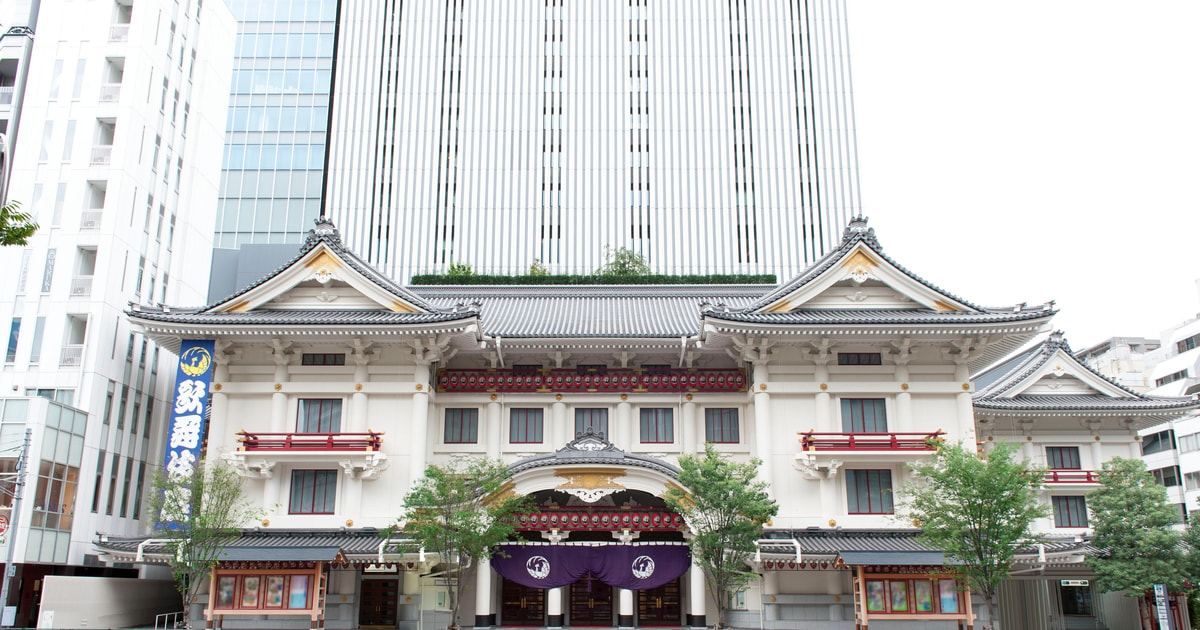
If you’re planning a trip to Tokyo, Kabuki-za is one of the most memorable ways to experience Japanese culture firsthand. GetYourGuide offers English-friendly Kabuki-za tickets and guided experiences, including options with headset translation and pre-show introductions for first-time viewers.
👉 Check Kabuki-za Tickets on GetYourGuide
This section may contain affiliate links. Booking through them costs you nothing extra and helps support this site.


コメント