
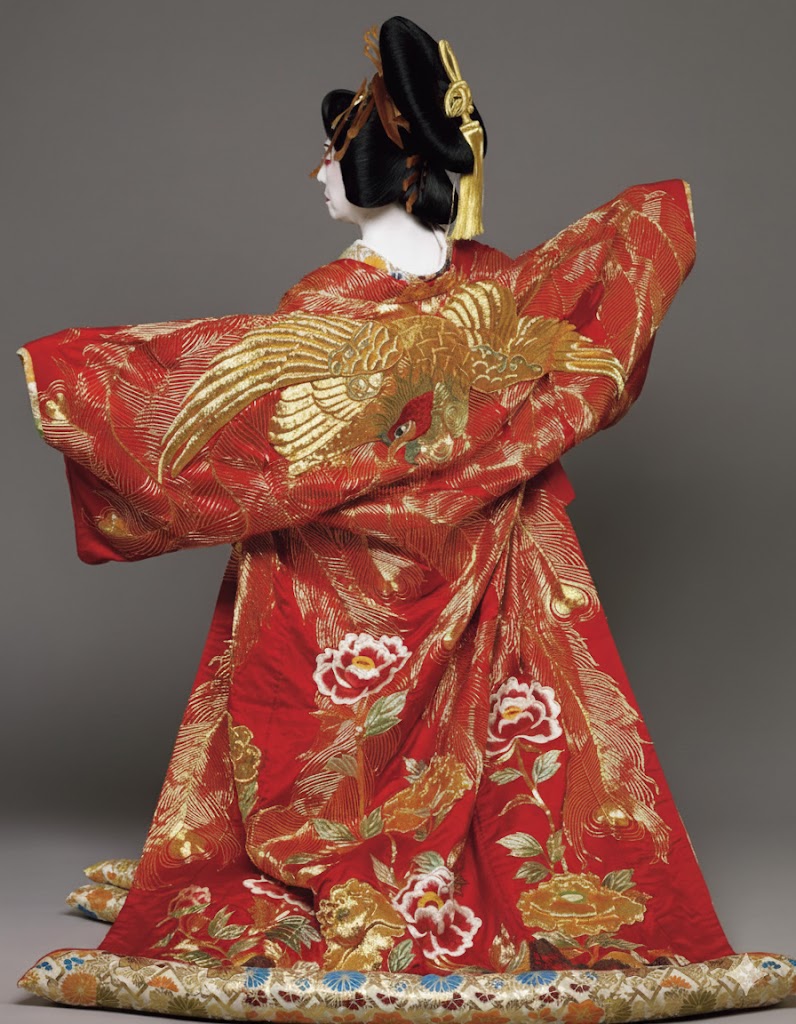
Even people with no background in kabuki have likely heard the name at least once. Bandō Tamasaburō is the actor who single-handedly raised the entire value and perception of the onnagata role. His beauty on stage isn’t simply beauty — it reads as something that surpasses real womanhood altogether. This article looks at why he’s held in such singular esteem, along with his signature roles and what to watch for.
Who Is Bandō Tamasaburō?
Bandō Tamasaburō, known formally as the fifth of his name, is widely regarded as the foremost onnagata performer of his generation. Designated a Living National Treasure, he stands as one of Japan’s defining figures in the performing arts. Recognized for his talent from childhood, he has carried forward classical tradition while establishing an entirely distinctive aesthetic of his own — often discussed less as a mere kabuki actor than as “art itself.”
What Makes His Onnagata Performance So Remarkable?
The core of Tamasaburō’s genius is that he doesn’t appear to be “performing a woman” at all. Where many onnagata work to faithfully recreate femininity, Tamasaburō operates in a more abstract register entirely — every gesture, every pause, every glance calculated so precisely that only the pure essence of femininity remains on stage.
Take something as simple as turning around. With Tamasaburō, that single motion changes the entire atmosphere of the room. This level of expression can’t be reached through technique alone — it requires decades of discipline layered on top of an utterly uncompromising aesthetic sensibility.
Signature Roles and Highlights
Tamasaburō’s artistry shines most vividly in dance pieces. These are the best places to start if you’re seeing him for the first time.
Sagi Musume
A fantastical dance in which a girl in pure white robes suffers for love before vanishing into the snow. The contrast between stillness and motion is stunning — arguably the ultimate expression of “beauty found in stillness.”
Fuji Musume
A vibrant, accessible piece perfect for newcomers, with a fragile, fleeting quality woven through its charm — very much a hallmark of Tamasaburō’s particular style.
Kyōganoko Musume Dōjōji
Often called the pinnacle of onnagata dance — a major work condensing dance, rapid costume changes, and emotional expression into a single, fully realized whole.
Why Is He Held in Such High Regard?
Calling Tamasaburō’s work simply “skilled” undersells it considerably. First, there’s the sheer completeness of his formal technique — while faithfully preserving traditional form, he pushes the individual beauty within that form to its absolute limit. Second, there’s a timeless universality to his performance — even working entirely within classical material, his expression resonates powerfully with modern audiences. And beyond the stage, his work extends into film and directing as well, continually expanding the range of his artistic expression — which is exactly why he’s recognized not merely as a kabuki actor, but as a performing artist of global stature.
What Makes Bandō Tamasaburō Truly Exceptional
There’s a striking scene in the film KOKUHO in which the protagonist, watching a Living National Treasure onnagata perform, murmurs “bakemon’ya” — roughly, “that’s not human.” It’s a blunt expression of genuine astonishment at artistry that defies ordinary standards.
That same sensation surfaces watching Tamasaburō perform live. A similar reaction arises naturally in the audience’s mind.
Even as he’s aged, he shows almost no sign of it on stage. It’s one thing for a young onnagata to appear beautiful — that’s almost expected. But typically, some trace of masculinity begins to surface as performers age. With Tamasaburō, that simply doesn’t happen, to an almost startling degree.
Some of that no doubt comes down to natural bone structure and features — but that alone can’t fully explain it. It’s his posture, his gaze, his breathing, and an utterly relentless attention to how everything is presented, all layered together to produce that fully realized beauty.
Even the way his costumes are introduced in performance reveals that same meticulous care — an aesthetic sensibility carried through to every last detail as part of how he builds a role. And above all, what comes through most is his relationship with the stage itself: a deep love for the art of kabuki, sustained by daily discipline. That’s exactly why the atmosphere in the room shifts the instant he steps on stage — a presence that goes well beyond what “great actor” alone can describe.
Work Abroad and Beyond Kabuki
Bandō Tamasaburō has never confined himself to kabuki alone. Highly acclaimed in performances overseas, he has crossed into other art forms including opera and dance, presenting Japan’s traditional sense of beauty to audiences around the world. It might be more accurate to say he hasn’t simply “spread kabuki” abroad, so much as conveyed beauty itself.
Which Piece Should Beginners Start With?
For a first look at Tamasaburō, dance pieces are the way to go — particularly Fuji Musume (accessible) and Kyōganoko Musume Dōjōji (his defining showcase). Starting here makes the distinctiveness of his expression immediately clear.
Approach it less as following a story and more as savoring the atmosphere, and it becomes genuinely absorbing.
One more thing worth knowing: Tamasaburō often doesn’t formally announce a role as his last performance of it, meaning that depending on his health and condition, any given role could turn out to be one he never performs again. In other words, the chance to see him live is itself something rare — if you come across a listing for one of his performances, it’s worth catching in the moment rather than assuming there will always be a next time.

Frequently Asked Questions
- What makes Bandō Tamasaburō different from other onnagata performers?
-
Rather than imitating femininity directly, he distills it into something more abstract and essential — an approach built on decades of discipline and an extremely precise aesthetic sensibility, rather than technique alone.
- Which piece is best for a first-time viewer?
-
Fuji Musume is an accessible starting point, while Kyōganoko Musume Dōjōji represents his artistic peak — both are dance pieces that showcase his distinctive style clearly.
- Has Bandō Tamasaburō performed outside of kabuki?
-
Yes — he has performed internationally to great acclaim and has worked across other art forms including opera and dance, bringing Japan’s traditional aesthetic sensibility to audiences worldwide.
Summary
Bandō Tamasaburō didn’t just master the onnagata role — he redefined what it could be, distilling femininity into something closer to pure essence through decades of discipline and an unwavering aesthetic vision. Whichever piece you start with, his stage presence offers a rare chance to see kabuki’s formal beauty pushed to its absolute limit.
🎭 Want to See Kabuki Live?
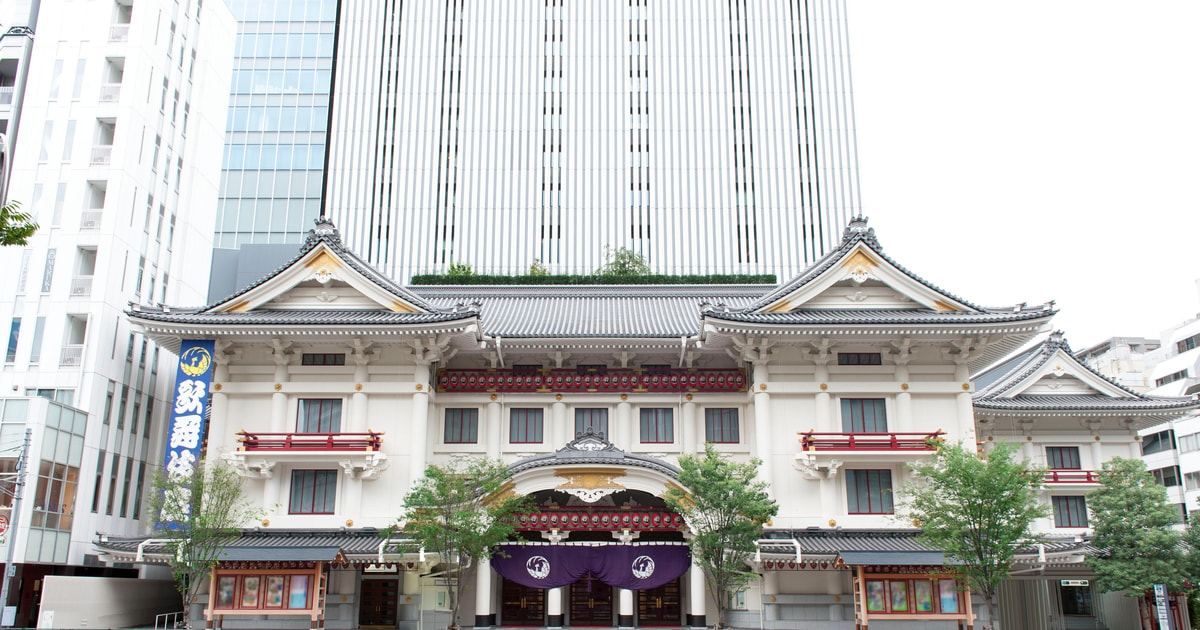
If you’re planning a trip to Tokyo, Kabuki-za is one of the most memorable ways to experience Japanese culture firsthand. GetYourGuide offers English-friendly Kabuki-za tickets and guided experiences, including options with headset translation and pre-show introductions for first-time viewers.
👉 Check Kabuki-za Tickets on GetYourGuide
This section may contain affiliate links. Booking through them costs you nothing extra and helps support this site.






コメント