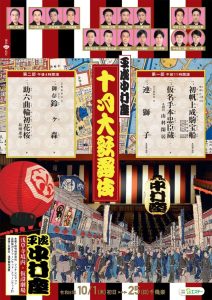
Under the concept of “bringing kabuki closer to everyday life,” the TACHIHI presents Tachikawa Tachihi Kabuki Special Performance returns to Tokyo’s Tachikawa in 2026 for its fourth year running. Held in a modern concert hall rather than a traditional kabuki theater, the production has built a reputation as an especially welcoming entry point for first-time viewers — to the point where it’s often recommended as the ideal place to see kabuki for the very first time.
Overview: The Essentials
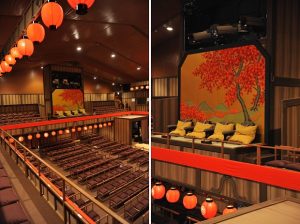
The 2026 production runs for six days, November 3–8, with performances beginning at 1:00 PM — a relaxed matinee schedule throughout the run. The venue, Tachikawa Stage Garden, is a comparatively new hall, and its layout keeps the distance between audience and stage close enough that kabuki’s signature mie poses and fine physical detail come through clearly. The acoustics are notably clean as well, making dialogue easier to follow than in some older, more traditional theaters.
One especially memorable feature of this production is the onéri — a pre-show parade in which the performers walk through the streets before the curtain rises. It extends the experience of the production beyond the theater itself and out into the town of Tachikawa, adding a genuinely festive quality found nowhere else.
| Item | Details |
| Production | TACHIHI presents Tachikawa Tachihi Kabuki Special Performance |
| Dates | November 3 (Tue, holiday) – November 8 (Sun), 2026 |
| Showtime | 1:00 PM (doors open one hour prior) |
| Venue | Tachikawa Stage Garden, Tokyo |
| Ticket sale date | August 26, 2026, 10:00 AM |
| Onéri parade | November 1 (Sun), 12:00 PM, Sansan Road |
Ticket prices: First class ¥17,000 / Second class ¥10,000 / Third class A ¥5,000 / Third class B ¥3,000
The 2026 Program
This year’s program is built around three works: Kotobuki Soga no Taimen, Shunkan, and Kumo no Hyōshimai. All three are firmly established classics, but what stands out is the order they’re presented in — a deliberate progression from understanding, to formal beauty, to raw emotion, to visual spectacle, designed to let first-time audiences build into kabuki’s appeal one step at a time.
Opening Greeting and Introduction
Before the plays begin, performers take the stage to walk the audience through what to watch for and the background of each piece — a genuinely welcome touch for anyone worried about not following what’s happening on stage.
Kotobuki Soga no Taimen
A celebrated New Year’s staple depicting the Soga brothers confronting their father’s killer, Kudō Suketsune. Lavish costumes, decisive mie poses, and dignified formal beauty make this the quintessential “this is kabuki” opening piece.
Shunkan
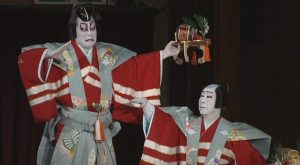
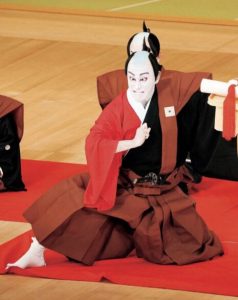
Adapted from Chikamatsu Monzaemon’s Heike Nyogo no Shima, Shunkan is one of kabuki’s most devastating tragedies. The monk Shunkan, exiled to a remote island for his part in a plot against the ruling Taira clan, lives out his days there alongside two fellow exiles, Naritsune and Yasuyori — Naritsune having since married a local woman named Chidori.
A ship arrives from the capital carrying a general amnesty — but the pardon covers only two of the three men. Naritsune wants desperately to bring Chidori back with him, but the ship has no room to spare. In the play’s devastating turn, Shunkan makes the choice to give up his own place on the ship so that Chidori can go in his stead, resigning himself to being left behind alone on the island as the ship sails away without him. Rather than a spectacle-driven piece, Shunkan is a work of pure human interiority — less flash than raw, unflinching emotion, and one of kabuki’s most quietly powerful tragedies.
Kumo no Hyōshimai
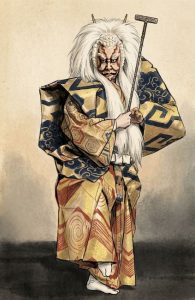
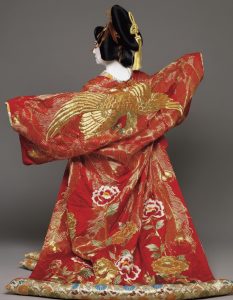
A dance work in which a bewitching shirabyōshi dancer reveals herself as the spirit of the earth spider haunting Mount Katsuragi. Packed with dramatic quick changes and other classic kabuki visual devices, it serves as an exhilarating climax to close out the program.
Reading the Program by Genre
This particular lineup isn’t simply three famous plays thrown together — it’s a genuinely well-balanced sampling of kabuki’s core genres, and understanding that structure makes the whole production click into place even more clearly.
Kotobuki Soga no Taimen: Soga-mono, Revenge, and Aragoto
This piece belongs to the beloved “Soga-mono” tradition — stories of the Soga brothers’ quest to avenge their father, arguably the prototypical Japanese revenge narrative, and a theme that resonated instantly with Edo-period audiences. What’s most worth noticing here isn’t the plot so much as the performance style: the older brother, Soga Gorō, is played in bold aragoto style, all exaggerated movement and forceful delivery, striking large mie poses that command the stage — less a “realistic person” than a hero rendered as pure stylized form. Put together, a clear revenge story, a beloved genre, and dynamic aragoto performance make this piece an ideal gateway into kabuki.
Shunkan: The Human Drama Behind Revenge
Shunkan, while also a period piece, is an entirely different animal. There’s no exaggerated aragoto hero here — instead, the focus falls on one man’s inner life under impossible circumstances. Rather than a story resolved by defeating an enemy, it’s concerned with what a person feels when there’s no way out at all. If Kotobuki Soga no Taimen is the “surface drama,” Shunkan is its “hidden counterpart” — and experiencing both such different registers of kabuki within a single program is exactly what makes this lineup so effective.
Kumo no Hyōshimai: The Appeal of Dance and Onnagata
The closing piece, Kumo no Hyōshimai, prioritizes movement and visual beauty over narrative. At its center is the onnagata performer playing the spider spirit — a role type devoted not to imitating femininity literally, but to expressing it as a codified art form. Fluid gesture, expressive use of the eyes, and moments of held stillness charged with sensuality combine to produce something genuinely otherworldly. Layer in the dynamic quick-change effects, and stillness and motion, beauty and intensity, coexist to deliver maximum satisfaction as a closing number.
Frequently Asked Questions
- Is this a good production for someone who has never seen kabuki?
-
Yes — the program is specifically designed for newcomers, opening with an on-stage introduction and building through three contrasting genres, all in a modern, easy-to-see venue.
- What is the “onéri”?
-
It’s a pre-show parade in which the performers walk through the streets of Tachikawa ahead of the run, extending the festive atmosphere of the production beyond the theater itself.
- Why were these particular three plays chosen together?
-
Each represents a different core element of kabuki — bold aragoto spectacle, quiet human tragedy, and onnagata dance — giving first-time audiences a well-rounded sense of the art form’s full range in a single sitting.
Summary
The Tachikawa Tachihi Kabuki Special Performance pairs a genuinely accessible, modern venue with a program built to showcase kabuki’s full emotional and stylistic range — bold spectacle, quiet tragedy, and dance-driven beauty, bookended by a street parade that turns the whole event into a citywide celebration. For anyone looking to see kabuki for the first time without the intimidation factor of a traditional theater, this is exactly the kind of production worth planning a trip around.
🎭 Want to See Kabuki Live?
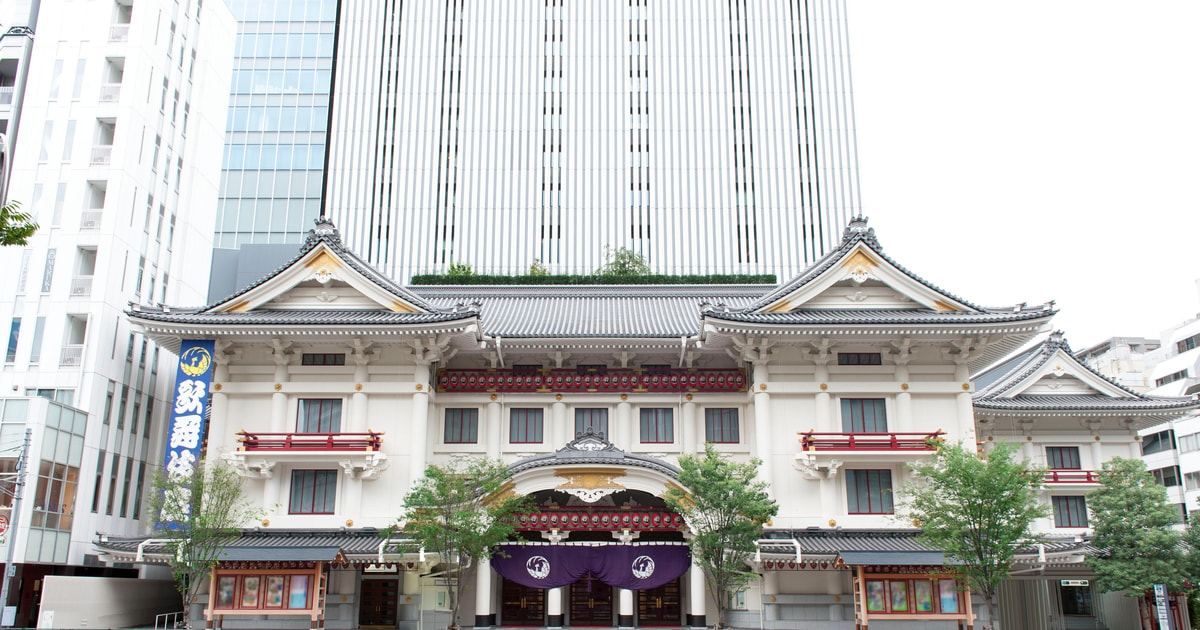
If you’re planning a trip to Tokyo, Kabuki-za is one of the most memorable ways to experience Japanese culture firsthand. GetYourGuide offers English-friendly Kabuki-za tickets and guided experiences, including options with headset translation and pre-show introductions for first-time viewers.
👉 Check Kabuki-za Tickets on GetYourGuide
This section may contain affiliate links. Booking through them costs you nothing extra and helps support this site.




コメント