
Kabuki’s reputation extends well beyond Japan’s own borders — formally recognized by the world’s leading cultural heritage body, and influential enough to have reshaped the thinking of some of world cinema’s most important early filmmakers. Here’s a look at kabuki’s documented international impact and recognition.
A UNESCO-Recognized World Treasure
Kabuki holds a formal place among humanity’s most significant cultural traditions: UNESCO first proclaimed it a Masterpiece of the Oral and Intangible Heritage of Humanity in 2005, and it was formally inscribed on UNESCO’s Representative List of the Intangible Cultural Heritage of Humanity in 2008. That designation places kabuki alongside a select group of traditions worldwide recognized as genuinely irreplaceable pieces of human cultural history — official international acknowledgment of exactly what kabuki fans have understood for centuries.
Sergei Eisenstein: Kabuki’s Influence on Early Cinema
One of the most striking, well-documented examples of kabuki’s influence on Western art comes from Soviet filmmaker Sergei Eisenstein, a pioneering figure in early cinema and film theory. Eisenstein studied Japanese seriously, learning several hundred kanji characters, and developed a genuine fascination with kabuki’s approach to constructing dramatic movement and meaning. He directly cited kabuki as an influence on his own theories of cinematic montage, arguing that Japanese theater’s layered, fragmented-yet-unified approach to physical and sonic performance had real lessons for the emerging art of sound film. In his own writing, Eisenstein went as far as to say Western sound cinema “can and must learn its fundamentals” from Japanese theatrical tradition — a remarkable endorsement from one of the founding theorists of modern filmmaking.
Touring the World: Cinema Kabuki and International Productions
Kabuki’s international reach today extends well beyond scholarly influence. Shochiku’s Cinema Kabuki program has brought high-quality filmed performances to movie theaters in cities around the world, giving international audiences access to full kabuki productions without traveling to Japan. Kabuki has also toured internationally in live form over the decades, with performances staged abroad introducing new audiences to the art form’s stagecraft and formal beauty directly.

A Continuing Influence on Global Theater and Film
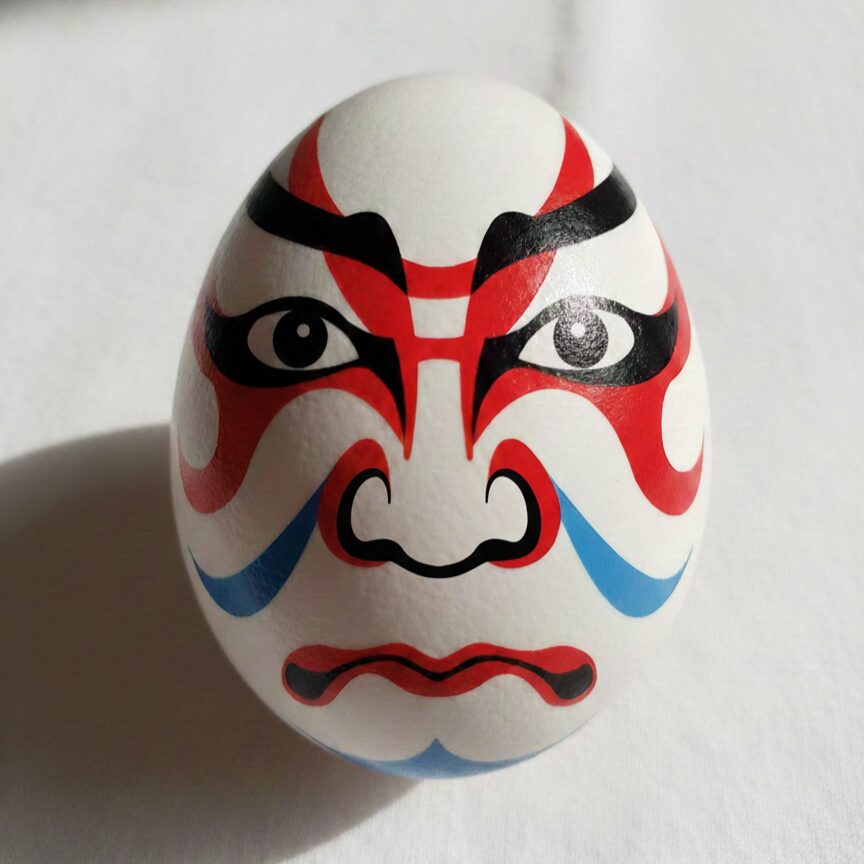
Beyond Eisenstein, kabuki’s distinctive visual language — stylized combat, symbolic makeup, dramatic freeze-frame poses — has continued to echo through international film and stage direction wherever directors have sought a heightened, non-naturalistic mode of performance. Its formal influence is genuinely traceable across decades of world cinema and theater, even among artists and audiences who may never have set foot in a kabuki theater themselves.
Why This Recognition Matters
None of this international recognition changes what kabuki actually is at its core — a living, evolving Japanese art form performed for Japanese audiences first and foremost. But it does underscore something worth remembering as a first-time visitor: you’re not stepping into a museum piece being preserved out of obligation, but into a tradition whose formal innovations have shaped how the rest of the world thinks about performance, cinema, and stagecraft, whether or not most audiences realize it.
Frequently Asked Questions
- When was kabuki recognized by UNESCO?
-
UNESCO first proclaimed kabuki a Masterpiece of the Oral and Intangible Heritage of Humanity in 2005, formally inscribing it on the Representative List of the Intangible Cultural Heritage of Humanity in 2008.
- How did kabuki influence Sergei Eisenstein?
-
Eisenstein, a foundational figure in film theory, studied Japanese and kabuki closely, directly citing the art form’s approach to movement and structure as an influence on his theory of cinematic montage.
- Can international audiences see real kabuki performances without visiting Japan?
-
Yes — Shochiku’s Cinema Kabuki program screens filmed performances in movie theaters internationally, and kabuki productions have also toured live to cities outside Japan over the years.
Summary
From UNESCO’s formal recognition as an irreplaceable piece of world heritage to its documented influence on pioneering filmmakers like Sergei Eisenstein, kabuki’s impact reaches well beyond Japan’s theaters. It’s a living tradition that has genuinely shaped how artists worldwide think about stylized performance — reason enough, on its own, to see it as more than just a cultural curiosity worth checking off a travel itinerary.
Sources: UNESCO Intangible Cultural Heritage, Wikipedia: Sergei Eisenstein
Related Reading


🎭 Want to See Kabuki Live?
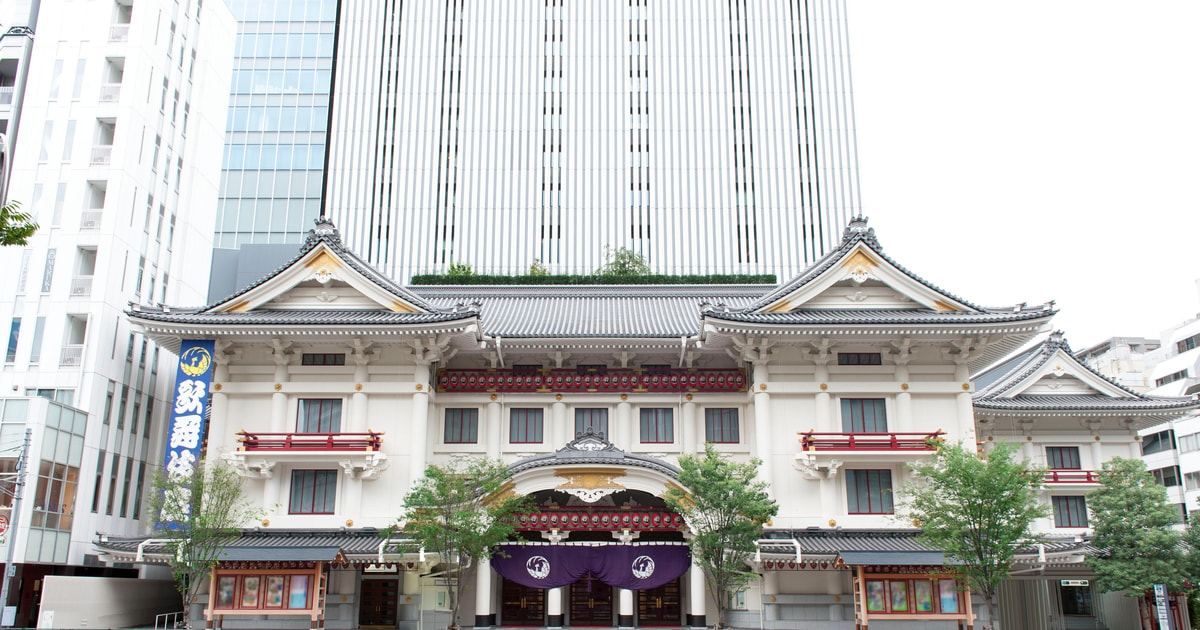
If you’re planning a trip to Tokyo, Kabuki-za is one of the most memorable ways to experience Japanese culture firsthand. GetYourGuide offers English-friendly Kabuki-za tickets and guided experiences, including options with headset translation and pre-show introductions for first-time viewers.
👉 Check Kabuki-za Tickets on GetYourGuide
This section may contain affiliate links. Booking through them costs you nothing extra and helps support this site.






コメント