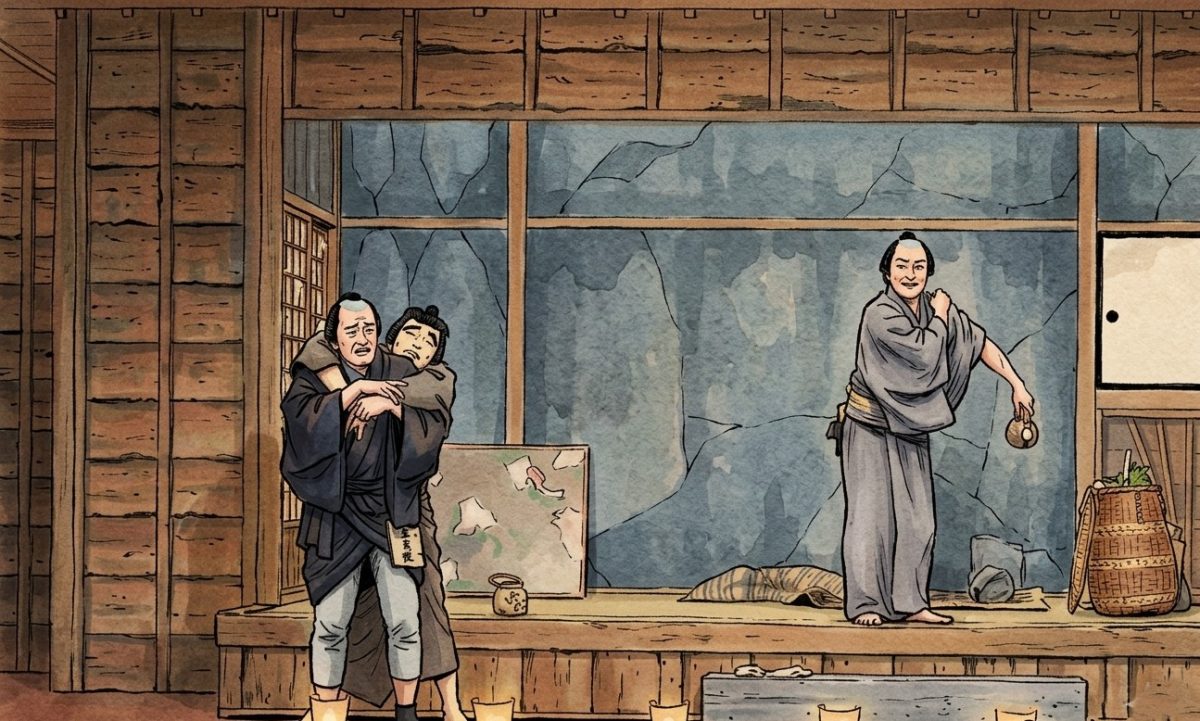
Nemuru Rakuda Monogatari (“The Tale of the Sleeping Camel”) — usually known simply as Rakuda — takes one of classical rakugo’s most beloved comic stories and brings it to the kabuki stage, keeping the original’s sharp humor and warmth while adding kabuki’s own theatrical flair.
What Is Rakuda?
Rakuda is a kabuki adaptation of a classic rakugo story of the same name, one of the most popular pieces in the entire rakugo repertoire. Rather than simply restaging the rakugo monologue, the kabuki version builds it into a fully realized ensemble comedy, driven by vivid characters and genuinely funny stage business — a piece that works as a satisfying story in its own right, distinct from (though clearly indebted to) its rakugo source.
The comedy is genuinely warm-hearted underneath its laughs, following a timid man who’s dragged into chaos and comes out the other side transformed — a story with real heart tucked inside its farce.
Synopsis
Kyūroku, a mild-mannered man who scrapes together a living collecting scrap paper, crosses paths one day with Teono-me Hanji, a rough, hard-living acquaintance. Hanji delivers unwelcome news: Batarō — known around the neighborhood as “the Camel,” a genuinely difficult, disliked man — has died.
Hanji wants to give Batarō a proper send-off, but since the deceased was so thoroughly unpopular in life, nobody in the neighborhood is willing to help. Undeterred, Hanji drags Kyūroku into the effort, and the two set about strong-arming the landlord and neighbors into cooperating, stirring up an escalating comedy of chaos along the way.
Kyūroku starts out entirely pushed around by Hanji’s forceful personality — but once alcohol enters the picture, something shifts. Little by little, the once-timid Kyūroku grows bolder, and by the end, he’s practically a different person entirely. Will Batarō’s funeral actually happen? And what becomes of Kyūroku once his newfound boldness takes hold? The fun is in watching it play out.
Characters
Kyūroku, the scrap-paper collector — a timid man who makes his living gathering scrap paper, generally conflict-averse, who gets swept into chaos against his will and gradually transforms into someone far more assertive as the story unfolds.
Teono-me Hanji — a rough, forceful acquaintance of the deceased Batarō, whose pushy, larger-than-life personality drags the whole plot into motion.
Batarō, “the Camel” — a notoriously difficult troublemaker well known (and well disliked) around the neighborhood, whose death sets the entire story rolling.
Landlord Sabei — the manager of the tenement building, who gets pulled into the chaos and struggles to bring the situation under control.
Oiku, the landlord’s wife — Sabei’s wife, who watches the neighborhood uproar unfold alongside her husband, adding her own color to the story.
Highlights
Kyūroku’s Transformation
The biggest draw of the piece is watching Kyūroku’s growth firsthand. His shift from a timid, put-upon man into someone bold and assertive after a few drinks lands as both funny and genuinely satisfying to watch. Since this transformation is played very differently depending on the actor performing the role, it’s one of the piece’s most rewarding elements to compare across different productions.
The Back-and-Forth Between Kyūroku and Hanji
The comic chemistry between the two leads carries much of the piece — Hanji’s forceful pushiness against Kyūroku being dragged along for the ride creates a snappy, well-paced comic rhythm that keeps the theater consistently laughing.
The World of the Original Rakugo Story
The rakugo story Rakuda that inspired this piece is considered one of the true classics of the art form. The kabuki version adds full staging, movement, and theatrical business that a solo rakugo performance can’t offer, giving audiences (rakugo fans included) a genuinely different way to experience a story they may already know.
A Good Fit for First-Time Viewers
Nemuru Rakuda Monogatari is a comedy that doesn’t require any specialized background knowledge to enjoy. The characters are easy to read, and the plot is straightforward enough to follow without difficulty, making it a genuinely welcoming choice for kabuki newcomers. Pay particular attention to Kyūroku’s transformation and his exchanges with Hanji, and the piece opens up even further.
Frequently Asked Questions
- Is Rakuda based on a real rakugo story?
-
Yes — it’s adapted from a classic rakugo monologue of the same name, one of the most beloved pieces in the rakugo repertoire, expanded here into a full kabuki ensemble comedy.
- Who is “the Camel” in the title?
-
Batarō, a difficult, widely disliked neighborhood figure whose death sets the entire comic plot in motion — he never actually appears alive on stage.
- Is this a good choice for a first kabuki performance?
-
Yes — the plot and characters are easy to follow without prior knowledge, making it a genuinely accessible comedy for newcomers.
Summary
Nemuru Rakuda Monogatari turns a beloved rakugo classic into a warm, funny ensemble comedy — a timid man pushed into chaos and pulled toward his own hidden boldness, propelled by sharp comic chemistry between its two leads. It’s a genuinely welcoming pick for kabuki newcomers and rakugo fans alike.
🎭 Want to See Kabuki Live?
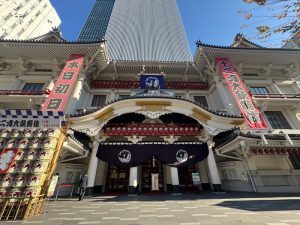
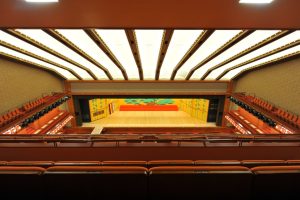
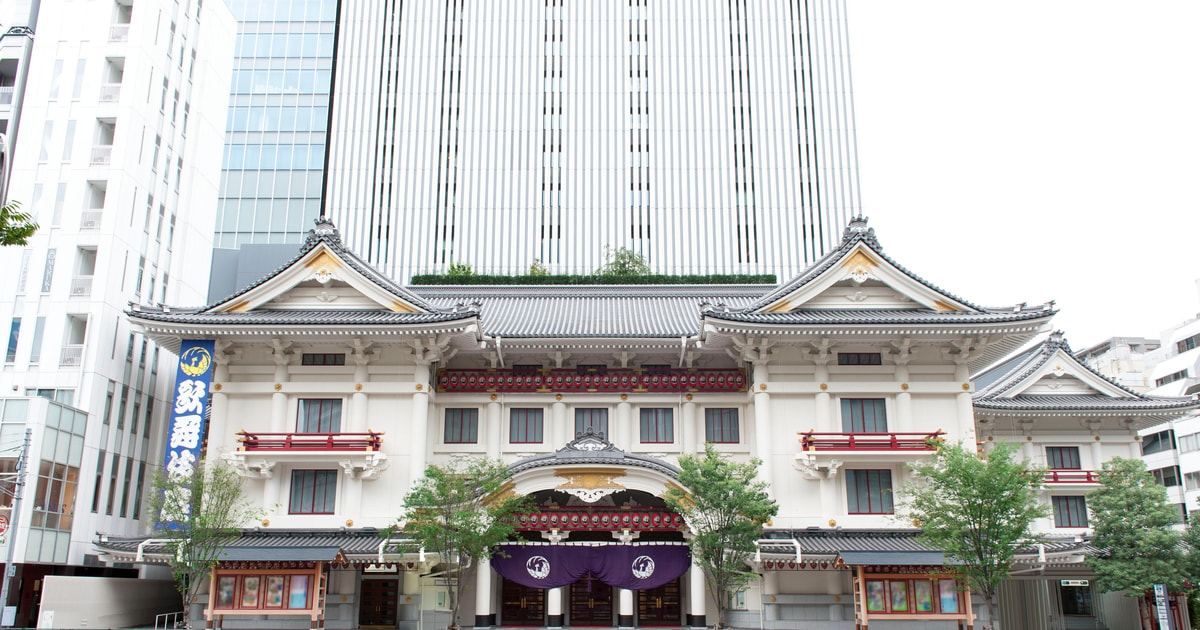
If you’re planning a trip to Tokyo, Kabuki-za is one of the most memorable ways to experience Japanese culture firsthand. GetYourGuide offers English-friendly Kabuki-za tickets and guided experiences, including options with headset translation and pre-show introductions for first-time viewers.
👉 Check Kabuki-za Tickets on GetYourGuide
This section may contain affiliate links. Booking through them costs you nothing extra and helps support this site.
Related Reading


コメント