Shinmei Megumi no Wagō Torikumi — better known by its nickname, Megumi no Kenka (“The Megumi Brawl”) — is a beloved sewamono (domestic drama) built around a real clash between Edo firefighters and sumo wrestlers. It’s remembered for its spectacular stylized combat, but just as much for its warmth: loyalty between comrades and devotion to family, all wrapped in a story about defending one’s pride.
Synopsis
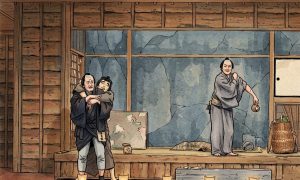
The story opens at the Shimazakirō, an inn in the Shinagawa post town. Tatsugorō, head of the Megumi firefighting brigade, and his men are drinking in a room next door to a group of sumo wrestlers led by Yotsuguruma. When one of Yotsuguruma’s students accidentally crashes through a paper screen mid-dance and stumbles into the firefighters’ room, the two groups come dangerously close to blows.
Tatsugorō manages to smooth things over — until a samurai present remarks that sumo wrestlers hold formal samurai-adjacent status, while firefighters do not. Stung by the insult, Tatsugorō swallows his anger and quietly resolves to settle the score with Yotsuguruma later.
The tension resurfaces after another confrontation at a theater, and Tatsugorō prepares himself for a final reckoning with the wrestlers. After taking leave of his elder brother-figure, Takidashi Kisaburō, he returns home to say goodbye to his wife and young child, then shares a farewell cup of water with his men before heading into a fight he may not survive.
The story culminates in an all-out brawl between the firefighters and the wrestlers, resolved only when Kisaburō steps in to mediate. Far from a simple street fight, it’s a story about Edo pride and human warmth.
Characters
Tatsugorō
Head of the Megumi firefighting brigade and the story’s protagonist. Quick-tempered but deeply loyal to his men, Tatsugorō is humiliated during the confrontation with the wrestlers and resolves to defend his own pride. Beneath his roughness lies real tenderness toward his family — a beloved, defining character of the piece.
Yotsuguruma
A sumo wrestler under a samurai patron, and Tatsugorō’s direct rival. The difference in social status between wrestlers and firefighters is the spark that ignites the entire conflict.
Kisaburō
Tatsugorō’s elder brother-figure, who makes his living catering meals. He repeatedly tries to talk the hot-headed Tatsugorō down, and ultimately plays the key role in bringing the final brawl to an end — a genuinely warm-hearted presence in the story.
Tatsugorō’s Wife
Tatsugorō’s wife, who supports her husband as he prepares to risk his life. The “divorce paper” scene between them is a key moment of marital tenderness within an otherwise combat-driven story.
The Megumi Firefighters
Tatsugorō’s loyal, hot-blooded crew of firefighters, who stand with him against the wrestlers out of pure camaraderie. Their water-cup ceremony and rallying chants embody the culture of Edo’s firefighting brigades.
Highlights
Edo Pride and Stubbornness
The theme of “pride” (iji) is central to this play. Tatsugorō’s anger isn’t really about the scuffle itself — it’s about being told firefighters rank below wrestlers. For a man who takes real pride in protecting the city, that’s an attack on his dignity he simply can’t let go, and his refusal to stay silent in the face of injustice is exactly what audiences connect with.
The Famous “Divorce Paper” Scene
One of the play’s most memorable scenes: knowing he might die in the coming fight, Tatsugorō hands his wife a divorce document, quietly ensuring she won’t be left in a difficult position if he doesn’t return. He plays it off as drunken behavior on the surface, but underneath is real, deep love for his family — a tender human moment inside an otherwise rough, combat-driven story.
The Resolve Behind the Water-Cup Ceremony
Before the final battle, the Megumi firefighters gather and share a ceremonial cup — of water, not sake, symbolizing their willingness to risk their lives. Their departure, accompanied by traditional work chants (kiyari), is genuinely thrilling to watch, and captures the tight-knit camaraderie of Edo’s firefighting culture.
A Stunning Large-Scale Combat Finale
The climactic brawl is the play’s biggest set piece: firefighters and wrestlers clash in an elaborately choreographed sequence, full of kabuki’s characteristic stylized beauty. A staging technique called shinuki strings together one distinct combat vignette after another, keeping the sequence visually varied and genuinely thrilling in a live theater.
Why This Play Still Resonates
Megumi no Kenka isn’t really about the fight itself. It’s a story about pushing back against rigid social hierarchy, loyalty between comrades, love for family, and a person’s determination to protect their own dignity — themes that continue to resonate regardless of the era. That’s exactly why it remains one of kabuki’s enduringly popular works, capturing the pride and warmth of old Edo.
A Great Way to Discover This Play: Cinema Kabuki
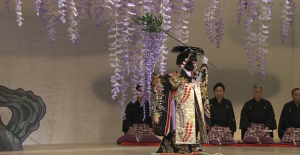
For those who want to experience Megumi no Kenka on screen, the May 2012 Heisei Nakamura-za production — later released as a Cinema Kabuki screening — is widely praised by fans, featuring a cast led by Nakamura Kanzaburō as Tatsugorō. His performance captures not just Tatsugorō’s bravado but the tenderness and Edo-style charm underneath it, making this an excellent entry point for viewers new to the play.
Frequently Asked Questions
- What actually causes the conflict in Megumi no Kenka?
-
A minor accidental scuffle escalates when a samurai remarks that sumo wrestlers outrank firefighters in social status — an insult to Tatsugorō’s pride that he can’t let go, setting the entire plot in motion.
- What is the “divorce paper” scene?
-
Before heading into a potentially fatal fight, Tatsugorō quietly hands his wife a divorce document to protect her future, disguising the moment as drunken behavior while it’s really an act of deep love and responsibility.
- Is this play good for beginners?
-
Yes — its story is relatively easy to follow, and it combines an accessible plot with spectacular stylized combat, making it a popular entry point into kabuki.
Summary
Megumi no Kenka follows Tatsugorō, head of the Megumi firefighters, through a story of Edo pride and human warmth. Beyond its relatively accessible plot, it delivers unforgettable scenes — the divorce paper, the water-cup ceremony, and a spectacular large-scale brawl — that let audiences fully soak in the charm of old Edo culture. Watch for Tatsugorō’s pride and resolve, and this play reveals exactly why it’s endured as a kabuki classic.
🎭 Want to See Kabuki Live?
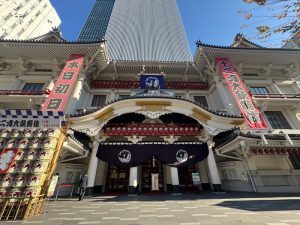
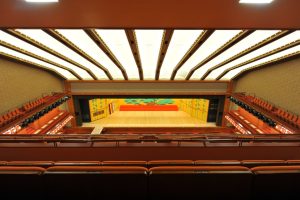
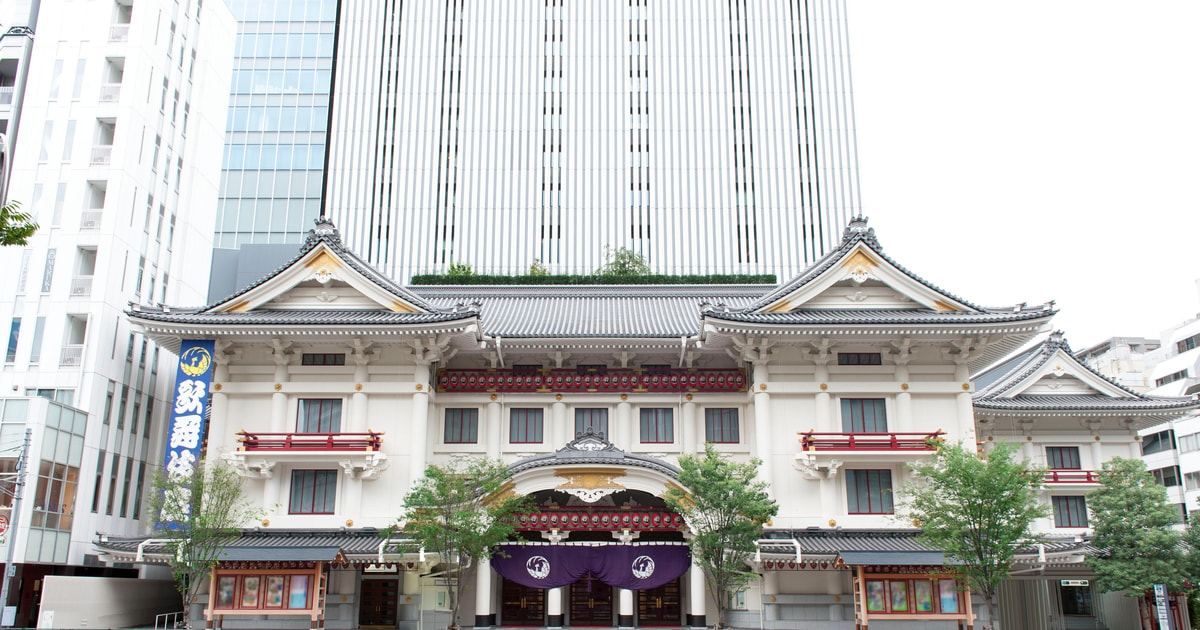
If you’re planning a trip to Tokyo, Kabuki-za is one of the most memorable ways to experience Japanese culture firsthand. GetYourGuide offers English-friendly Kabuki-za tickets and guided experiences, including options with headset translation and pre-show introductions for first-time viewers.
👉 Check Kabuki-za Tickets on GetYourGuide
This section may contain affiliate links. Booking through them costs you nothing extra and helps support this site.
コメント