A ghost carrying a peony-patterned lantern, walking through the night to visit the man she loves — that single unforgettable image has made Kaidan Botan Dōrō (“The Ghost Story of the Peony Lantern”) one of Japan’s most enduring tales of the supernatural for over 150 years. But look closer, and the real horror in this story isn’t the ghost at all.
What Is Kaidan Botan Dōrō?
Kaidan Botan Dōrō is a ghost-story masterpiece created by the rakugo storyteller San’yūtei Enchō, who was active from the late Edo period into the Meiji era. Its most iconic image — a ghost holding a peony-patterned lantern, making her way to the man she loves — has given it a reputation as simply “a scary ghost story.” But that’s only part of what makes it endure.
At its core, the piece is a richly layered human drama: the doomed love between Otsuyu and Shinzaburō, the greed of Tomozō and Omine, the betrayal of Okuni and Genjirō — tragedies born not from the supernatural, but from very human affection, jealousy, and desire. The real horror of Botan Dōrō isn’t the ghost. It’s the greed lurking in the hearts of the living. That’s exactly why the story has endured for a century and a half.
San’yūtei Enchō and the History of Botan Dōrō
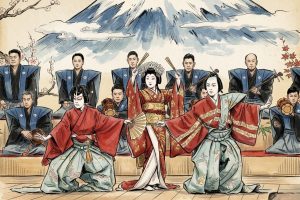
Enchō originally adapted the piece from a Ming-dynasty Chinese ghost tale, “The Tale of the Peony Lantern.” He reshaped that source material to fit the emotional and social world of Edo and Meiji-era Japan, transforming it from a simple ghost story into a tale of human desire and sorrow. Enchō is remembered as the figure who elevated rakugo storytelling into a genuinely literary art form, and Botan Dōrō stands as one of his defining masterworks — later adapted repeatedly into novels, films, and stage productions, including kabuki.
Is It Actually Scary? A Tragic Love Story at Heart
Despite the word “ghost story” in the title, this isn’t a simple tale of fright. At its center is the doomed love between Otsuyu and Shinzaburō — Otsuyu’s wish to see the man she loves again, even after death, reads less as terrifying than achingly sad. As the story unfolds, what comes into focus instead is the weakness and greed of the people still living. Botan Dōrō is a ghost story, yes, but one that digs deep into the human heart.
Synopsis
The Doomed Love of Otsuyu and Shinzaburō
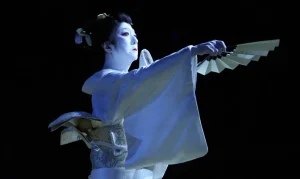
Hagiwara Shinzaburō, son of a samurai family, meets a beautiful young woman named Otsuyu one night. Otsuyu begins visiting him along with her nursemaid Oyone, and the two grow steadily closer. Otsuyu walking the night road carrying a peony-patterned lantern is one of the story’s most famous, hauntingly beautiful images.
One night, Shinzaburō’s neighbor Tomozō happens to see the two women together and notices something is wrong — looking down, he sees that neither Otsuyu nor Oyone has feet. An investigation at a nearby temple reveals the truth: Otsuyu had already died, and the woman visiting Shinzaburō all along was her ghost.
Talismans and Omine’s Betrayal
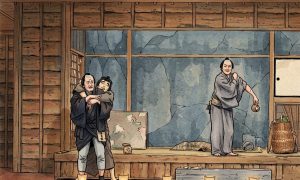
To ward off the ghost, Shinzaburō has protective talismans placed all over his room. Otsuyu, still longing for him, weeps outside the paper screen door night after night, unable to enter. But Tomozō’s wife, Omine, accepts a large sum of money from a retainer of Otsuyu’s father, Iijima Heizaemon, and pressures her husband into peeling away just one of the talismans. Through that single gap, Otsuyu and Oyone slip inside — and Shinzaburō loses his life.
A Tragedy Born of Greed
The story doesn’t end with Otsuyu and Shinzaburō’s doomed love. Otsuyu’s stepmother, Okuni, is having a secret affair with Miyanobe Genjirō, and together they murder Iijima Heizaemon. When Tomozō and Omine learn the secret, they extort hush money from the pair — but a relationship built on money inevitably begins to unravel. The true horror Enchō captures isn’t the ghost at all. It’s human greed itself.
Characters
Hagiwara Shinzaburō — son of a samurai family, a genuinely earnest young man who falls in love with Otsuyu, gradually drawn into her devotion even after her death.
Otsuyu — the story’s central woman, who dies still in love with Shinzaburō and returns as a ghost to see him again. Portrayed not simply as a figure of horror, but as a woman driven by the aching wish to see someone she loves just one more time.
Oyone — Otsuyu’s nursemaid, who appears alongside her as a ghost visiting Shinzaburō.
Tomozō — Shinzaburō’s neighbor, the key figure who first notices the truth about Otsuyu and Oyone. He initially tries to help Shinzaburō, but is gradually swayed by money and desire.
Omine — Tomozō’s wife, whose greed for money sets the tragedy in motion by having the talisman peeled away. A character embodying human avarice.
Okuni — Otsuyu’s stepmother, whose affair with Genjirō sets off an even larger tragedy.
Miyanobe Genjirō — Okuni’s lover, who murders Iijima Heizaemon out of greed.
Iijima Heizaemon — Otsuyu’s father, drawn into tragedy through his own family’s betrayal.
Yamamoto Shijō — a narrator-like figure who helps connect the different threads of the story together.
Highlights
A Quintessential Summer Ghost Story
Botan Dōrō is one of Japan’s most famous ghost stories, and its premise — a beautiful, frightening romance with a ghost — makes it a perfect fit for a summer night at the theater.
Human Greed, Scarier Than Any Ghost
Otsuyu’s ghost is sorrowful and beautiful, but the story’s true terror lies in the very human greed of Omine, Tomozō, Okuni, and Genjirō. Look past the ghost story on the surface, and Enchō’s real subject comes into focus.
A Full Picture, Rarely Seen
Botan Dōrō is usually staged in excerpted form, so a full production lets audiences experience the complete arc of the story and see exactly how each character’s fate connects to the others — a rare chance to take in the whole picture at once.
Is It a Good Fit for Kabuki Beginners?
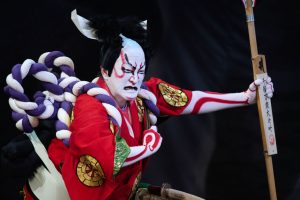
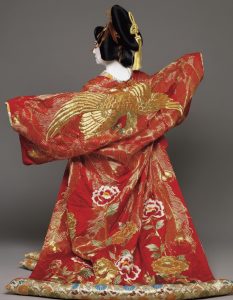
Botan Dōrō is a genuinely good choice for first-time kabuki viewers, precisely because its core isn’t the ghost — it’s human emotion. Love for someone dear, greed for money, anger over betrayal — while the setting is Edo-period Japan, the feelings on display are entirely familiar today. Kabuki can feel intimidating at first, but once you have a handle on the relationships between the characters, this story is easy to follow and genuinely rewarding.


Frequently Asked Questions
- Is Kaidan Botan Dōrō primarily a horror story?
-
Not really — while it features a ghost, the story is centered on human emotion: doomed love, greed, and betrayal. The ghost herself is portrayed with real sympathy rather than pure horror.
- Where did the story originally come from?
-
It’s adapted from a Ming-dynasty Chinese ghost tale, “The Tale of the Peony Lantern,” which the rakugo storyteller San’yūtei Enchō reshaped to reflect Edo and Meiji-era Japanese society and emotion.
- Is this a good first kabuki play to see?
-
Yes — because the emotional core is love, greed, and betrayal rather than complex historical politics, the story is easy to follow once you understand the relationships between the characters.
Summary
Kaidan Botan Dōrō endures not because of its ghost, but despite her — a sorrowful, beautiful spirit surrounded by the far more frightening greed of the living. More than 150 years after San’yūtei Enchō first told this story, its portrait of love, jealousy, and human weakness still lands as vividly as ever.
🎭 Want to See Kabuki Live?
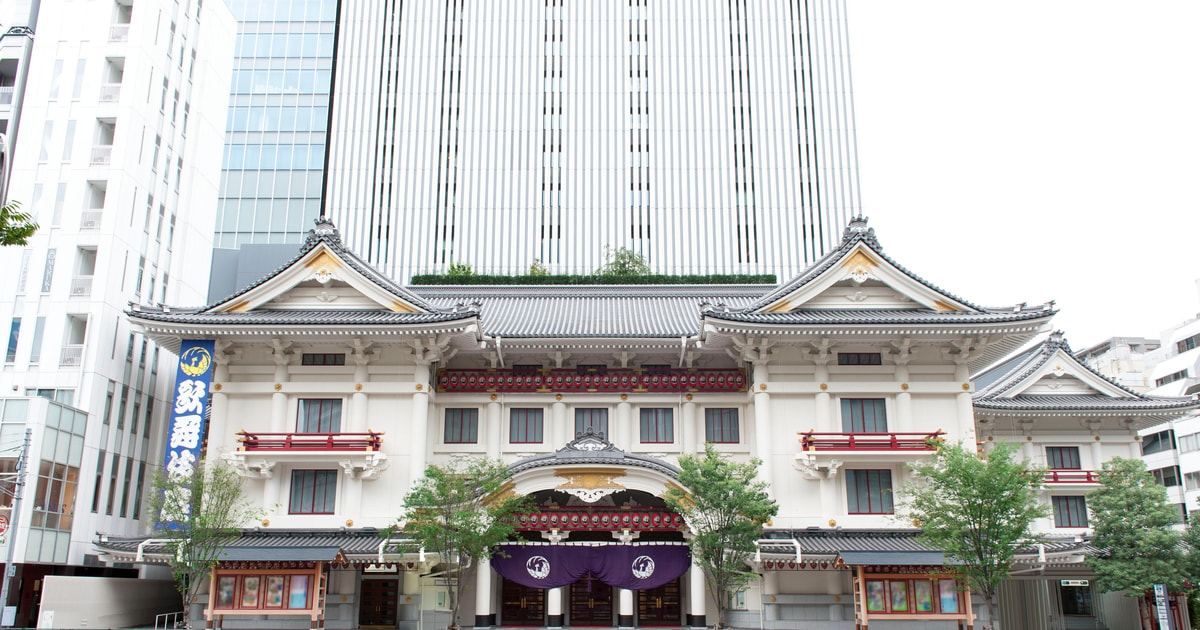
If you’re planning a trip to Tokyo, Kabuki-za is one of the most memorable ways to experience Japanese culture firsthand. GetYourGuide offers English-friendly Kabuki-za tickets and guided experiences, including options with headset translation and pre-show introductions for first-time viewers.
👉 Check Kabuki-za Tickets on GetYourGuide
This section may contain affiliate links. Booking through them costs you nothing extra and helps support this site.



コメント