The hanamichi is the single feature that makes a kabuki theater instantly recognizable — a raised walkway cutting straight through the audience, turning every major entrance and exit into a moment shared at close range with the crowd. Here’s a closer look at how it actually works, and why one specific spot along its length carries more dramatic weight than almost anywhere else in the theater.
What the Hanamichi Actually Is
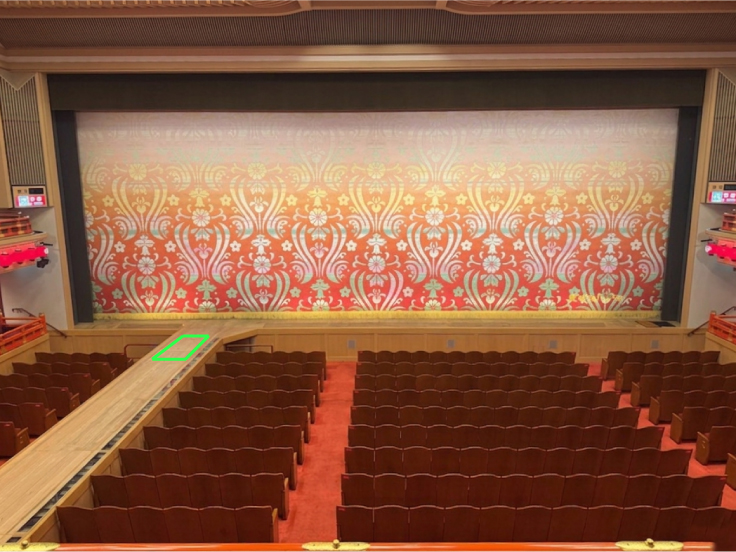
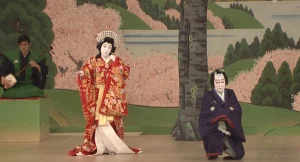
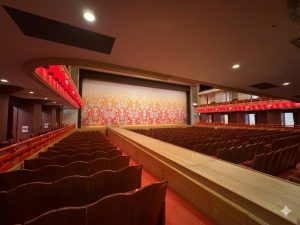
Physically, the hanamichi is an elevated runway, built at the same height as the main stage, extending from the back of the auditorium through the seating and connecting directly to the stage itself — typically running along the audience’s left side. Rather than confining actors to entrances and exits through the wings, it lets them travel an extended path directly among the audience, turning a simple entrance into an extended, dramatic journey in its own right.
Shichi-San: The Point of Maximum Impact
One specific spot along the hanamichi carries outsized dramatic importance: the shichi-san point, positioned roughly seven-tenths of the way from the back of the theater toward the main stage (the name literally references a “seven-three” ratio). It’s here that actors most often pause for a dramatic mie pose, deliver a pivotal line, or make their most striking entrance moment — close enough to the audience for maximum intimacy, but still positioned with enough distance from the stage to hold the moment before continuing forward. Seasoned kabuki fans know exactly where this spot falls, and seats positioned near it are considered especially prized.
Suppon: A Trapdoor Reserved for the Supernatural
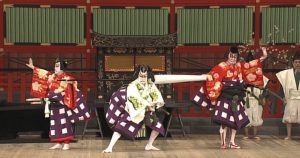
Near the shichi-san point sits a small trapdoor called the suppon, used specifically to raise and lower characters who aren’t fully human — ghosts, spirits, demons, and shapeshifting animal spirits make their appearances and disappearances through this exact spot, following a firm convention: a suppon entrance is a signal in itself, telling the audience that whoever emerges belongs to the supernatural world of the play. When a play deliberately breaks this convention — having an ordinary human emerge from the suppon instead — the effect can be genuinely striking, precisely because it inverts an expectation audiences have absorbed over generations of watching kabuki.
Roppō: The Hanamichi’s Signature Exit Style
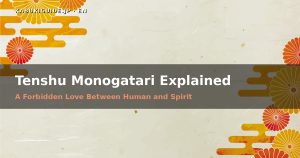
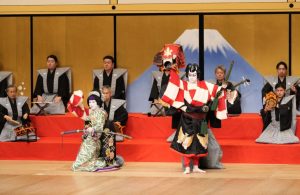
Some of kabuki’s most exhilarating exits happen along the hanamichi, performed in an exaggerated, highly stylized walking technique called roppō — a powerful, rhythmic stride that can range from a bold, forceful march to something closer to an acrobatic leaping run, depending on the character and situation. A fox spirit disguised as a human might perform a distinctive “fox roppō,” its movement carrying subtle animal quality even in exit, while a bold aragoto hero’s roppō emphasizes raw physical power. Watching an actor cover the length of the hanamichi in full roppō form is one of the most purely thrilling sights in all of kabuki.
Where the Name Comes From
Hanamichi literally translates to “flower path,” though the exact origin of the name is debated. One popular theory ties it to an old theatrical custom of patrons placing gifts or monetary tips (historically also referred to with the word hana) for favored actors as they passed along the walkway; another simply reads it as a poetic name for a path defined by beauty and spectacle. Either way, the name has stuck for centuries, describing a stage feature that remains entirely unique to kabuki among the world’s major theatrical traditions.
A Second Hanamichi: Kari-Hanamichi
For certain productions requiring more elaborate staging, a temporary secondary runway — the kari-hanamichi — is sometimes added on the opposite side of the theater, allowing two separate processions, confrontations, or entrances to unfold simultaneously from either side of the audience. It’s used sparingly, reserved for productions where the added scale and complexity genuinely serves the drama.
Where to Sit If the Hanamichi Matters to You
If watching the hanamichi up close is a priority, seat selection matters enormously — sitting too far from it, or on the wrong side of the theater, can mean missing much of what happens along its length entirely. Seats along the 1st floor, positioned near or at the shichi-san point, offer the most immersive hanamichi experience, though often at a premium price reflecting their popularity.
Frequently Asked Questions
- What is the shichi-san point?
-
It’s a specific spot along the hanamichi, roughly seven-tenths of the way from the back of the theater, where actors most often pause for a dramatic pose or key line — the point of maximum dramatic impact along the runway.
- Why do ghosts and spirits always seem to appear from the same spot?
-
That’s the suppon, a trapdoor near the shichi-san point reserved specifically for supernatural characters. It’s a firm kabuki convention, which is exactly why breaking it occasionally creates such a striking effect.
- Does every kabuki theater have a hanamichi?
-
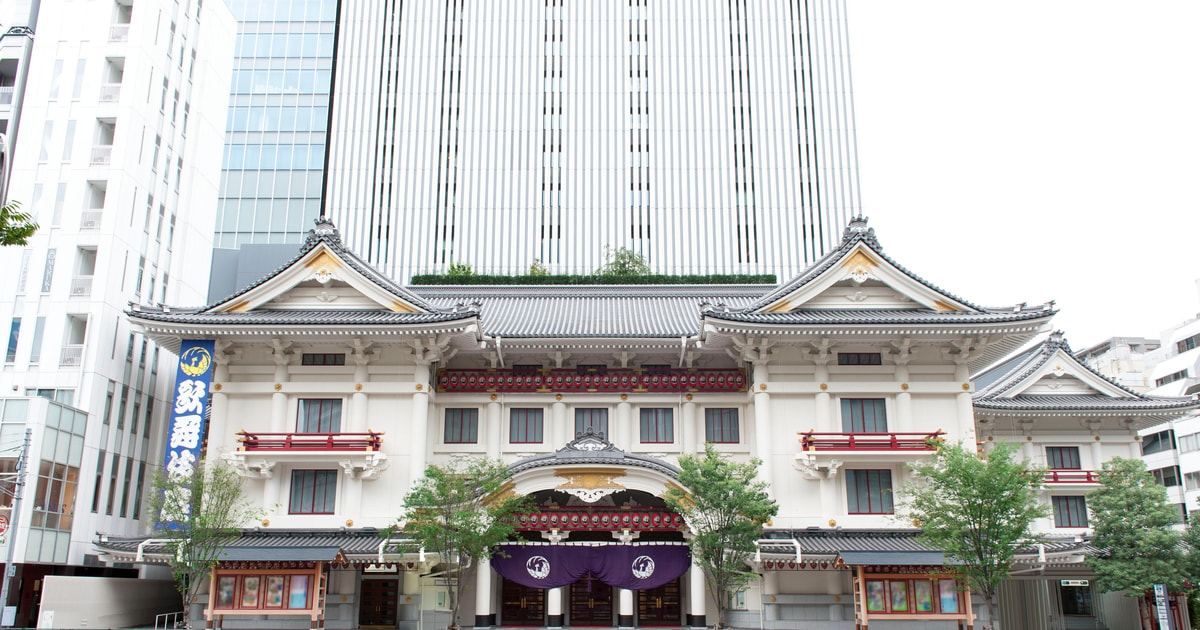
Major kabuki theaters, including Kabukiza, are built around a hanamichi as a core architectural feature, though the exact scale and configuration can vary by venue.
Summary
The hanamichi turns kabuki’s audience into part of the stage itself — a runway where entrances build, exits explode into full roppō stride, and one precise spot, the shichi-san, carries more dramatic weight than almost anywhere else in the theater. Once you know what to watch for along its length, it becomes one of the most rewarding places to focus your attention during any kabuki performance.
🎭 Want to See Kabuki Live?
If you’re planning a trip to Tokyo, Kabuki-za is one of the most memorable ways to experience Japanese culture firsthand. GetYourGuide offers English-friendly Kabuki-za tickets and guided experiences, including options with headset translation and pre-show introductions for first-time viewers.
👉 Check Kabuki-za Tickets on GetYourGuide
This section may contain affiliate links. Booking through them costs you nothing extra and helps support this site.





コメント