kabushige– Author –
-

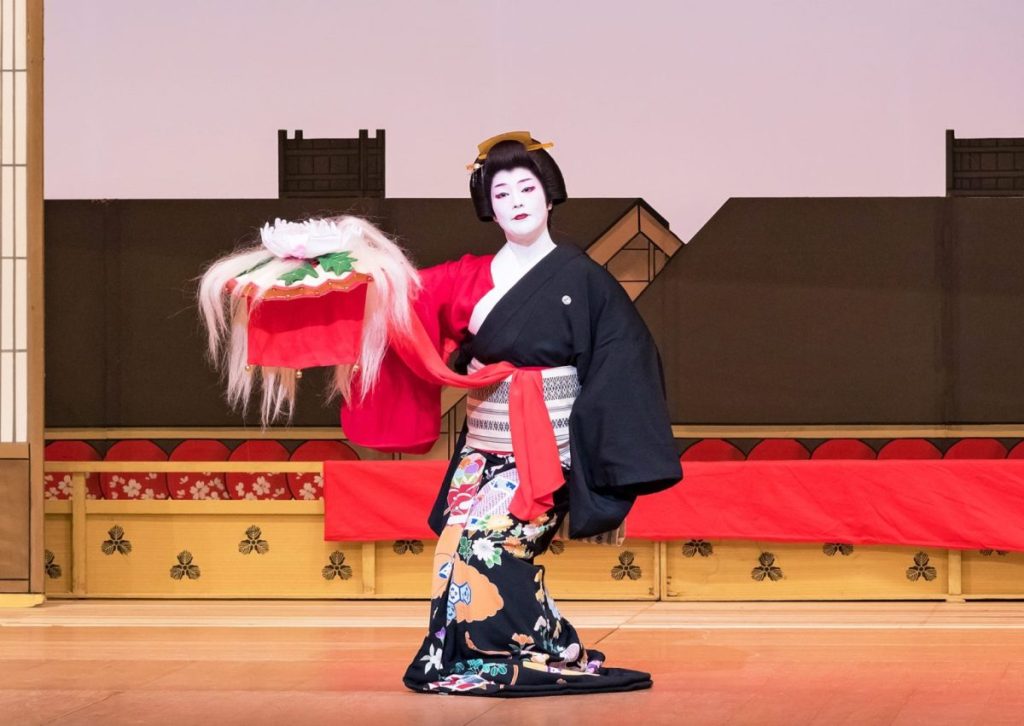
Niwakajishi Explained: A Playful Lion Dance From Old Yoshiwara
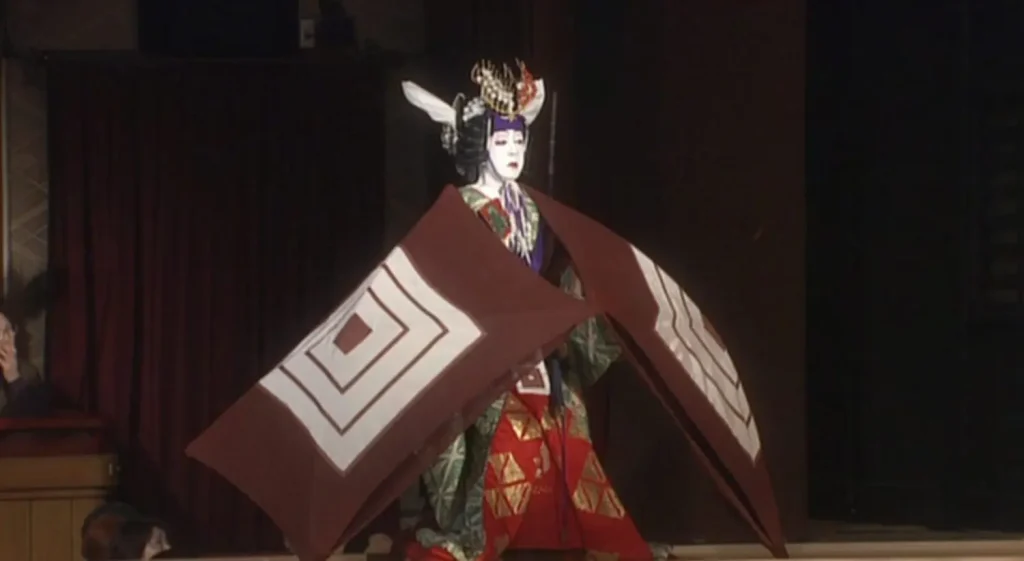
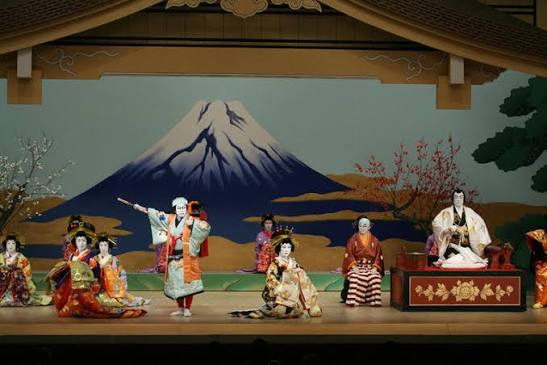
Niwakajishi captures the festive spirit of Yoshiwara's historic Niwaka festival in a light, playful lion dance without the dramatic hair-whirling. -
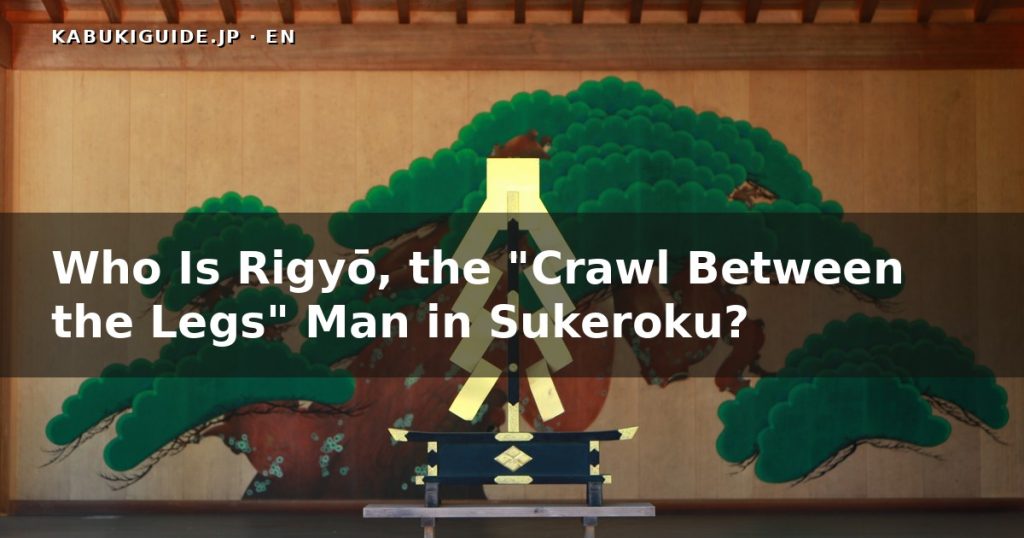
Who Is Rigyō, the “Crawl Between the Legs” Man in Sukeroku?
Who is the man crawling between Sukeroku's legs, delivering a different improvised monologue every night? Meet Rigyō, kabuki's most unpredictable comic character. -
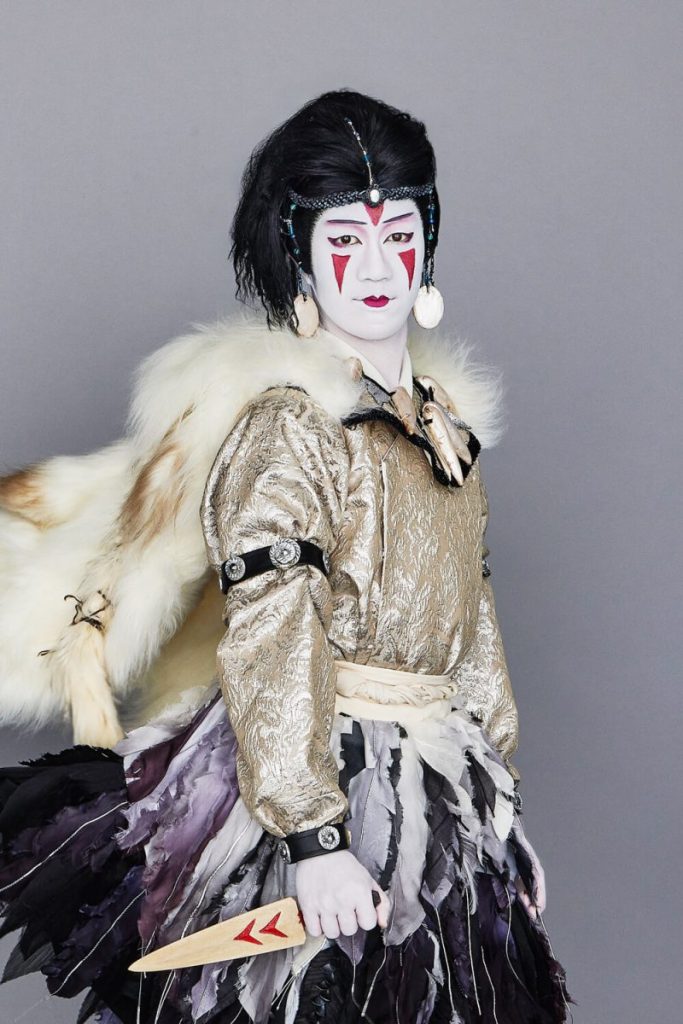
Super Kabuki Princess Mononoke Review|Story, Highlights, and What It Looks Like From the Balcony
A firsthand review of Super Kabuki's Princess Mononoke at Shinbashi Enbujo: staging highlights, cast, and what the wire-flying finale looks like from the balcony. -
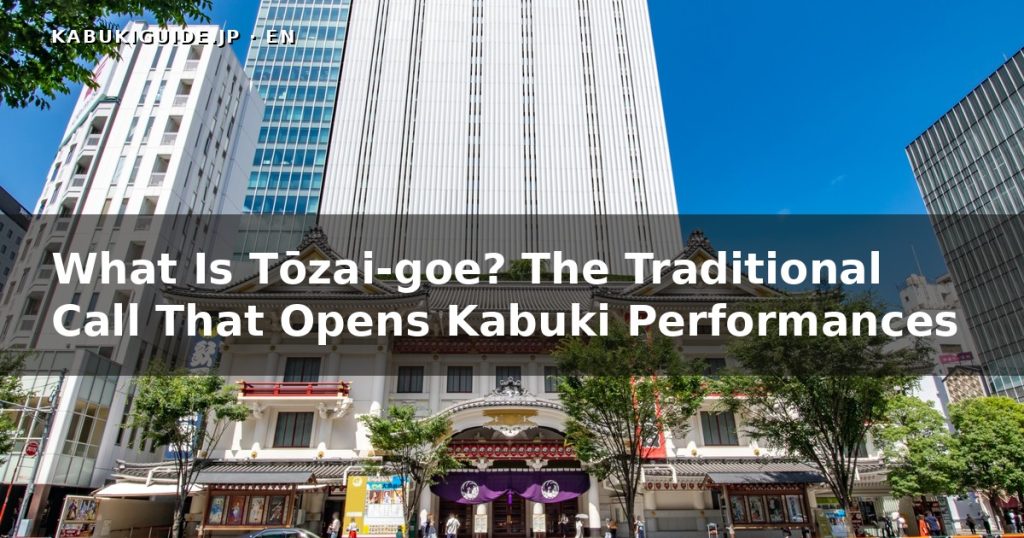
What Is Tōzai-goe? The Traditional Call That Opens Kabuki Performances
Tozai-goe is the traditional 'east-west' call announcing a kabuki performance, with strict rules on timing, count, and tone. -
Onna Shibaraku Explained: When Kabuki’s Boldest Hero Becomes a Woman Warrior
Onna Shibaraku swaps Shibaraku's hero for the legendary Tomoe Gozen, delivering the same spectacle with a playful, self-aware twist. -
Uirō-uri Explained: The Tongue-Twister Play That’s Secretly a Revenge Story
Famous as a tongue-twister exercise, Uiro-uri is actually a Kabuki Juhachiban revenge play in disguise, starring Soga Goro as a traveling medicine peddler. -
What Is the Kabuki Jūhachiban? The Ichikawa Family’s 18 Signature Plays Explained
The Kabuki Juhachiban is the Ichikawa family's signature repertoire of 18 plays. Here's which ones are still performed today, and which have been lost. -
What Is Kata (型) in Kabuki? The Codified Forms Behind Every Movement
Kata is the foundation of kabuki's aesthetic: codified movement, gesture, and pacing passed down for 400+ years. Learn what kata means and why it shapes every performance. -
What Is Kabuki Buyō (Dance)? A Beginner’s Guide to Kabuki’s Dance Tradition
A beginner's guide to kabuki dance (buyō): its three forms, how it differs from aragoto and wagoto, and the must-see dance pieces to start with, from Musume Dōjōji to Renjishi. -
Otokodate Hana no Kuruwa: Gosho no Gorozō and the Sensual Cool of Edo Chivalry
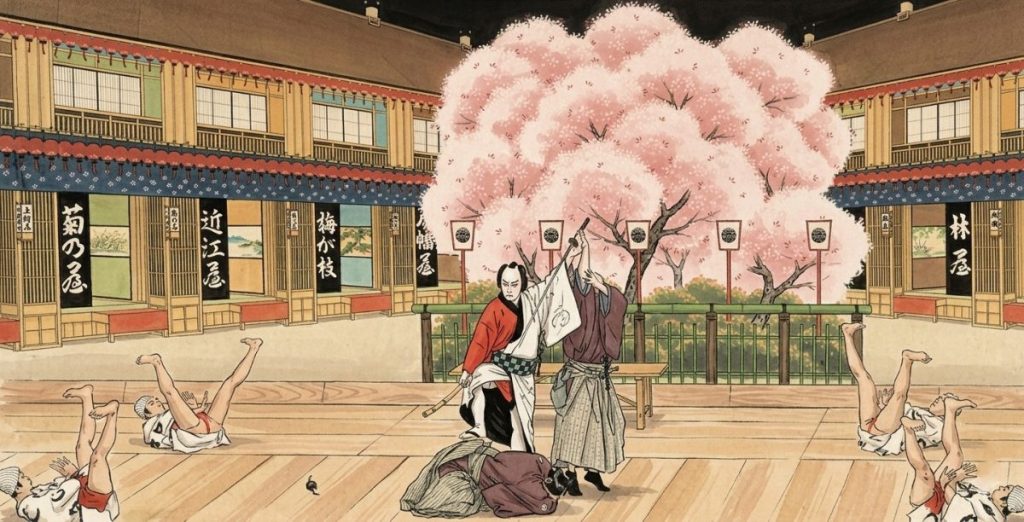
A dance showcase for Gosho no Gorozo, Edo's finest otokodate, set against blooming cherry trees in the Yoshiwara pleasure quarter.