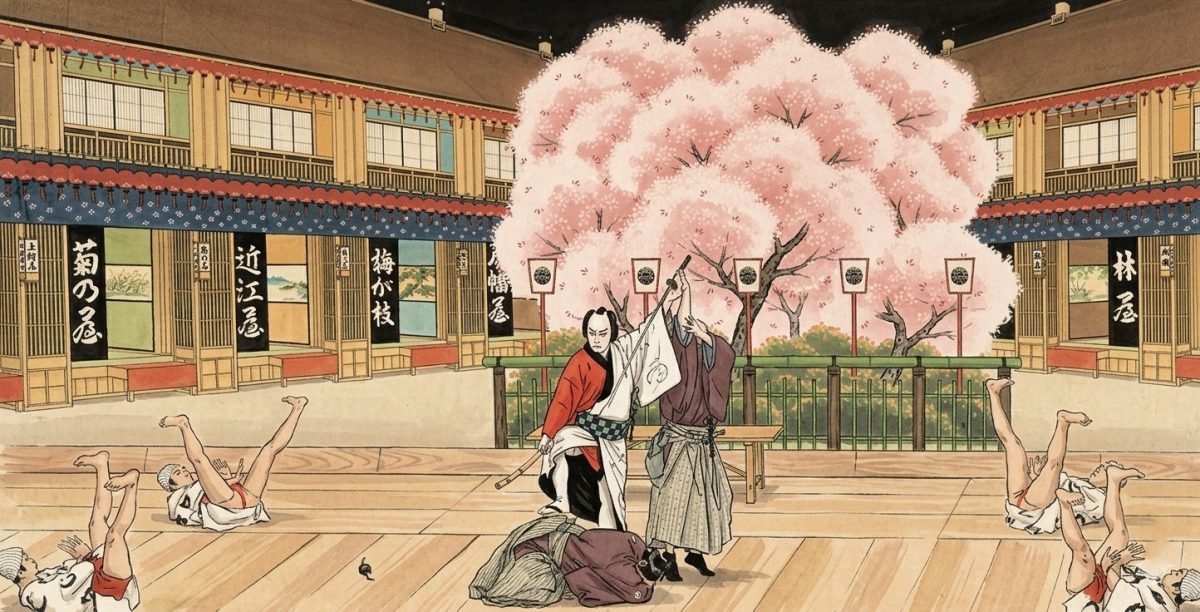
Otokodate Hana no Kuruwa (男伊達花廓) is a dance piece drawn from Kawatake Mokuami’s classic Soga Moyō Tateshi no Goshozome, better known by its central scene, “Gosho Gorozō.” Its hero is Gosho no Gorozō, celebrated as Edo’s finest otokodate — a chivalrous man of the streets. Set against the cherry blossoms in full bloom along Yoshiwara’s main avenue, the piece opens with Gorozō heading to the pleasure quarter, a letter from his lover in hand.
Masculine chivalry, the sensuality of a man devoted to love, and unmistakable Edo style — Otokodate Hana no Kuruwa expresses all three through gorgeous movement and stylized combat, making it a dance-forward audience favorite.
Synopsis
Gosho no Gorozō, celebrated as Edo’s finest otokodate, heads to the bustling Yoshiwara pleasure quarter, letter from his courtesan lover in hand. Appearing on the hanamichi, he speaks of how the two first met and the memories of their time together, cutting a strikingly stylish figure.
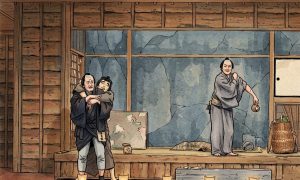
Rival otokodate holding a grudge against Gorozō then appear and attack him. Gorozō dispatches them effortlessly in a dazzling display of stylized combat before continuing on his way to his lover. The plot itself is simple, but the piece is packed with atmosphere: the vibrant energy of Yoshiwara, Gorozō’s own sensual charisma, combat between rival men of the streets, and unmistakable Edo-style flair.
What Is an “Otokodate”?
An otokodate is a chivalrous figure devoted to loyalty and human feeling, living by the code of helping the weak and standing up to the powerful. During the Edo period, townsman-class otokodate known as machiyakko emerged specifically to resist the “hatamoto-yakko” — bands of samurai retainers known for violent, unruly behavior.
Otokodate captured the admiration of ordinary Edo townspeople through:
- Flashy, distinctive dress
- Fearless, bold behavior
- A deep respect for loyalty and duty
The word “date” itself is said to derive from the Sendai Date domain, known for its flamboyant style. Kabuki is full of celebrated plays centered on otokodate heroes, including:
- Hanakawado Sukeroku (from Sukeroku Yukari no Edo Zakura)
- Banzuiin Chōbei (from Kiwametsuki Banzuiin Chōbei)
- Gosho no Gorozō (from Gosho Gorozō)
Each of these characters carries an almost unreasonable degree of nerve and charisma, radiating a distinctive charm on stage.
The World of Yoshiwara’s Naka-no-chō
The setting for Otokodate Hana no Kuruwa is Naka-no-chō, the main avenue running through Yoshiwara, Edo’s largest pleasure district. Real flowering trees were planted and rotated by season — cherry blossoms in spring, irises in early summer — making it one of Edo’s most spectacular streetscapes.
This piece places Gorozō’s stylish figure against a backdrop of cherry trees in full bloom, and the contrast between Yoshiwara’s gorgeous scenery and Gorozō’s rough-edged chivalry is a major part of the piece’s charm.
Highlights
White Robes and a Red Undergarment
Gorozō appears in a striking outfit: a plain white kimono paired with a red undergarment — understated yet powerfully eye-catching, the very picture of Edo-style cool.
The Shark-Skin Sword Sheath
The sword at his hip, sheathed in samezaya (sharkskin), is another distinctive detail — a luxurious touch that reflects an otokodate’s refined sense of style.
The Kurumabin Wig
His wig, styled in the flared kurumabin shape, emphasizes his fierce, spirited nature as a man of the streets — its distinctive silhouette alone makes Gorozō’s presence unmistakable.
Gorgeous Stylized Combat
The piece’s biggest highlight is undoubtedly the combat between Gorozō and his rival otokodate — a sequence that stays beautiful as dance while still carrying real swagger and sensual intensity.
Its Relationship to the Original Play
Otokodate Hana no Kuruwa draws from Kawatake Mokuami’s sewamono Soga Moyō Tateshi no Goshozome, a popular work centered on pride and emotion between the otokodate Gosho no Gorozō and the courtesan Satsuki — particularly its famous “Gosho Gorozō” and “Hototogisu-goroshi” scenes.
Otokodate Hana no Kuruwa draws on that same narrative world while reworking it into a dance piece, focusing squarely on Gorozō’s chivalry, his romantic charisma, Edo-style flair, and the splendor of Yoshiwara. It’s an approachable piece even for kabuki beginners, and a genuine showcase of Edo’s distinctive sense of cool.

Frequently Asked Questions
- What does “otokodate” mean?
-
An otokodate is a chivalrous, loyal figure devoted to helping the weak and standing up to the powerful — a folk-hero archetype tied to Edo-period townsman culture and its resistance to unruly samurai retainers.
- Is this the same story as “Sukeroku”?
-
No — they’re different plays, though both center on otokodate heroes. Sukeroku is Hanakawado Sukeroku’s story, while Otokodate Hana no Kuruwa follows Gosho no Gorozō, drawn from Kawatake Mokuami’s Soga Moyō Tateshi no Goshozome.
- Is this play good for kabuki beginners?
-
Yes — its plot is simple and dance-driven, making it an approachable way to experience Edo-style chivalry, romantic charisma, and gorgeous stylized combat all at once.
Summary
Otokodate Hana no Kuruwa distills everything appealing about Gosho no Gorozō into one gorgeous dance piece: loyalty and chivalry, a lover’s sensual charm, and the unmistakable cool of old Edo, all set against the cherry blossoms of Yoshiwara’s grandest avenue. It’s a different flavor of spectacle from bold aragoto plays — a showcase of Edo’s own particular brand of style, and the aesthetic that ordinary townspeople once genuinely admired.
Related Reading
🎭 Want to See Kabuki Live?
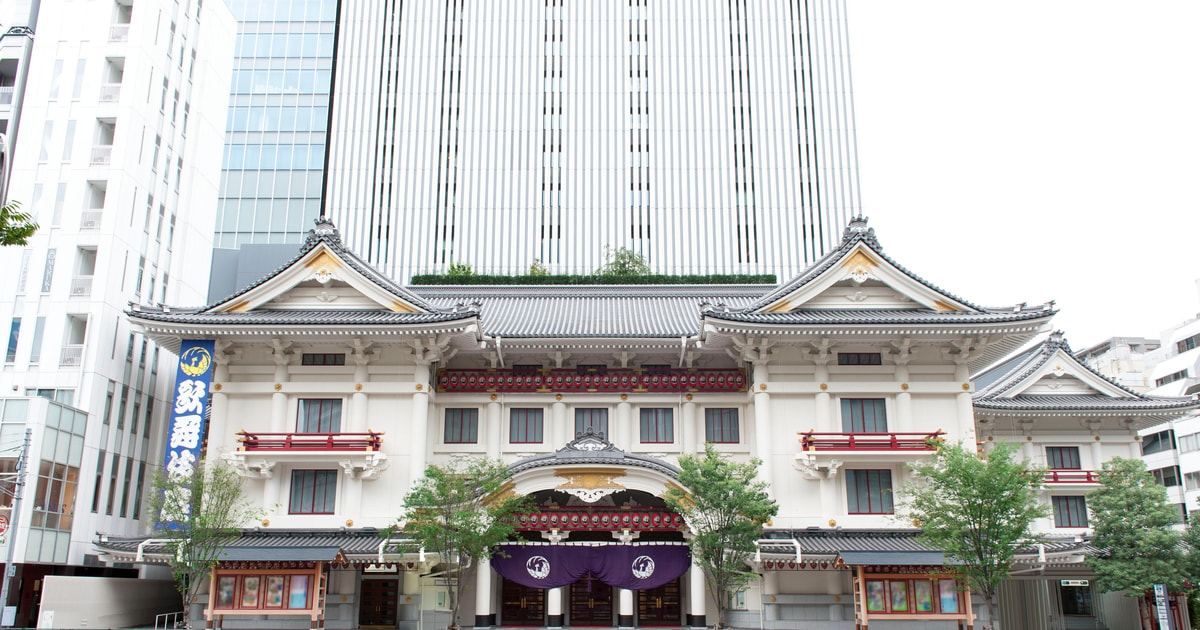
If you’re planning a trip to Tokyo, Kabuki-za is one of the most memorable ways to experience Japanese culture firsthand. GetYourGuide offers English-friendly Kabuki-za tickets and guided experiences, including options with headset translation and pre-show introductions for first-time viewers.
👉 Check Kabuki-za Tickets on GetYourGuide
This section may contain affiliate links. Booking through them costs you nothing extra and helps support this site.


コメント