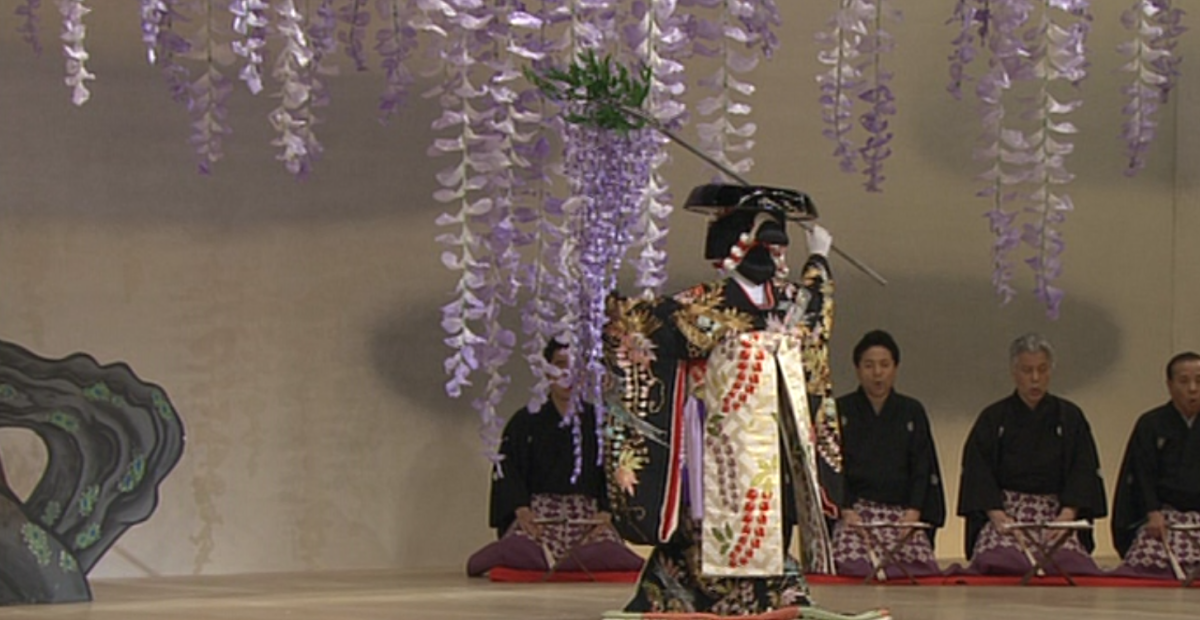
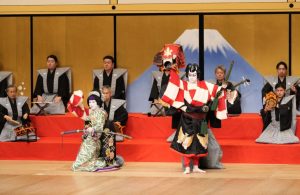
Kabuki isn’t only sword fights and courtroom-style drama — a huge part of the art form is pure dance. Kabuki buyō (歌舞伎舞踊), also called shosagoto (所作事), fuses theatrical storytelling with dance into something distinct from either. If you’ve ever watched a kabuki actor freeze into a stunning pose set to shamisen music, you were watching buyō.
What Is Kabuki Buyō?
Kabuki buyō traces back to Izumo no Okuni’s original “kabuki odori” performances at the very dawn of the art form in the Edo period, and dance has remained central to kabuki ever since — inside kabuki, it’s often called shosagoto. It spans an enormous range, from the delicate psychological nuance of onnagata female-role dance to the powerful, dynamic movement of tachiyaku male-role dance, all set against lavish costumes and live shamisen music. It’s also the direct ancestor of modern Nihon buyō (Japanese classical dance).
Three Forms of Kabuki Buyō
Kabuki buyō can be grouped into three categories, based on how it originated and what role it plays within a program:
Dance Embedded Within a Larger Play
Dance sequences built into one scene of a longer narrative play. When a character dances out a journey toward their destination — often conveying the scenery and their state of mind along the way — it’s specifically called a michiyuki (“travel scene”), as seen in famous examples like the journey scene from Yoshitsune Senbon Zakura.
Plays Built Primarily Around Dance
These have a narrative, but the emphasis falls on the actor’s physical expression and formal beauty rather than dialogue — music and movement carry the piece more than words do.
Standalone Dance Works
Complete, self-contained dance pieces, where costume, music, and props are refined to their highest polish. This is the category that includes some of kabuki’s most beloved pieces, like Sagi Musume and Kyōganoko Musume Dōjōji.
Kabuki’s Three Core Styles: Buyō, Aragoto, and Wagoto
Kabuki performance broadly divides into three styles — dance (buyō), the bold, heroic aragoto, and the elegant, romantic wagoto. It’s the interplay of these three that produces kabuki’s distinctive sense of formal beauty.
What Sets Each Style Apart
- Buyō — emotion expressed through choreography and steps set to music, as in Fuji Musume or Musume Dōjōji
- Aragoto — superhuman strength conveyed through kumadori makeup, mie poses, and booming vocal delivery, as in Shibaraku or the Benkei role in Kanjinchō
- Wagoto — softness and romantic charm conveyed through the gentle Kamigata dialect and supple physical movement, as in the Izaemon role in Kuruwa Bunshō
How Does Dance Differ From Aragoto and Wagoto?
A Different Axis of Expression
Aragoto and wagoto are ultimately built around theater — the story moves forward through spoken dialogue. Buyō is built around music instead — the body moves to the rhythm of vocal song and shamisen, communicating emotion that goes beyond words.
Mie Plays a Different Role in Each
In aragoto, a mie pose is a moment of stillness — a sudden freeze at the peak of anger or physical power. Within dance, a mie functions more like a rhythmic accent inside continuous movement, punctuating the flow rather than interrupting it.
The Pleasure of Styles Blending Together
Part of kabuki’s appeal is how these styles fuse within a single play. Kanjinchō, for instance, carries all the dramatic force of aragoto in its story, yet Benkei’s movement in the latter half is pure dance — specifically the Ennen no Mai — making it a genuine fusion of theater and dance at its highest level.
Major Categories and Notable Pieces
Onnagata Dance
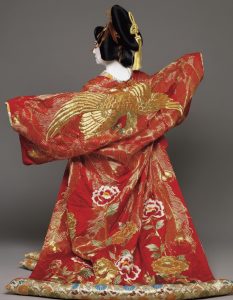
Female-role dance expressing longing, elegance, and beauty through an onnagata performer — soft, flowing movement and dramatic costume changes are the highlights. Famous examples include Kyōganoko Musume Dōjōji (widely considered the pinnacle of onnagata dance, portraying obsessive love through a solo dance before a temple bell), Fuji Musume (a wisteria spirit taking the form of a young woman, dancing out her feelings of love in a dazzling transformation piece), and Sagi Musume (a white heron spirit dancing a fantastical, conflicted vision of love).
Tachiyaku Dance
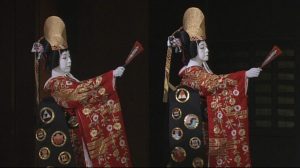
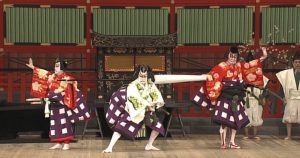
Male-role dance expressing strength, style, or comic charm. Tomoyakko depicts the light, lively movement of a servant accompanying his master, while Ukare Bōzu is a cheerful, occasionally comic piece depicting a wandering mendicant monk of the Edo streets.
Shakkyō-mono (Lion Dances)
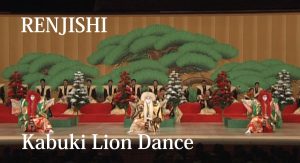
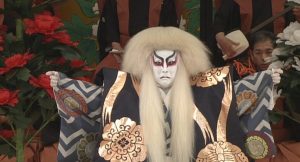
Bold dances rooted in the Noh play Shakkyō, depicting a lion spirit dancing in a wild frenzy. The highlight is kefuri — the dynamic swinging of a long mane of hair. Famous examples include Renjishi, in which a parent and child lion deepen their bond through a trial of pushing the cub down into a ravine, and Shunkyō Kagami Jishi, where a single actor dances both a delicate young attendant and the fierce lion spirit she transforms into, contrasting stillness and ferocity in one performance.
Matsubame-mono
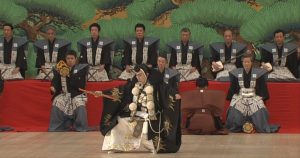
Dignified pieces adapted from Noh and Kyōgen, performed against a stage backdrop painted with a pine tree — the “matsubame” set piece the category is named for. Kanjinchō is the definitive example, built around Benkei’s heroic dance fused directly into the story. Funa Benkei is another, in which a single actor performs two opposite roles: the elegant Lady Shizuka in the first half, and the fierce ghost of Taira no Tomomori locked in violent combat in the second.
Shosagoto vs. Buyōgeki: What’s the Difference?
Shosagoto is the general umbrella term for dance within kabuki — dialogue is kept to a minimum, and the story is conveyed through choreography and gesture set to music like nagauta. Buyōgeki (“dance drama”) refers more specifically to pieces created from the Meiji era onward that lean toward realism and stronger narrative content, such as Sumidagawa, which portrays a grieving mother’s sorrow over her lost child with deep emotional nuance and formal beauty combined.
Three Tips for Enjoying Buyō as a Beginner
Watch for Costume and Quick Changes
The technique of hikinuki — an instantaneous on-stage costume change — expresses a shift in a character’s emotional state and delivers real visual surprise at the same time.
Notice the Different Shamisen Music Styles
The bright, celebratory sound of nagauta, or the more narrative-driven styles of tokiwazu and kiyomoto — the character of the music shapes the personality of the dance built on top of it.
Enjoy the Pictorial Beauty Over the Plot
Many dance pieces are built so that each individual pose looks like a finished painting. Rather than following a complex plot, it’s often more rewarding to simply take in the beauty of each moment as it happens.
Recommended Pieces to Start With
Kyōganoko Musume Dōjōji is widely regarded as the pinnacle of onnagata dance — a solo performance before a temple bell weaving together obsession, longing, and purity, distilling everything that makes shosagoto compelling into a single piece.
Sagi Musume sits alongside it as one of the most beautiful showcases of onnagata technique, portraying a woman’s conflicted heart through costume changes and haunting nagauta melody.
Shunkyō Kagami Jishi is a showcase piece for a performer’s range, moving from a delicate young attendant to a fierce lion spirit within a single dance.
Renjishi pairs a parent and child lion in a display of strength and bonding, and remains one of the most popular and visually striking dances in the entire repertoire.
Frequently Asked Questions
- Can I enjoy kabuki dance even if I don’t follow the story?
-
Absolutely. Kabuki dance is less about following a plot than experiencing the visual and musical beauty of the moment — the actor’s poses, lavish costumes, and live shamisen performance. Knowing roughly what emotion is being danced (love, anger, longing) is usually enough.
- What’s the difference between “Nihon buyō” and “kabuki buyō”?
-
They share the same roots, but kabuki buyō is a professional stage art performed within kabuki productions, using dramatic devices like quick costume changes and stage machinery. Nihon buyō developed later as an independent practice, often taught outside the theater — many of its most performed pieces were originally created for kabuki.
- Why does the actor suddenly freeze into a pose during a dance?
-
That’s a mie — a technique similar to a dramatic zoom-in or freeze-frame in film, designed to imprint the character’s most powerful or beautiful moment on the audience’s eyes and memory.
Summary
Kabuki buyō distills four centuries of Japanese performance tradition into pure movement — where music, costume, and gesture carry emotion that words alone never could. Whether it’s the obsessive longing of Musume Dōjōji or the raw power of Renjishi, dance remains one of the most immediately rewarding ways to experience kabuki, no background knowledge required.
🎭 Want to See Kabuki Live?
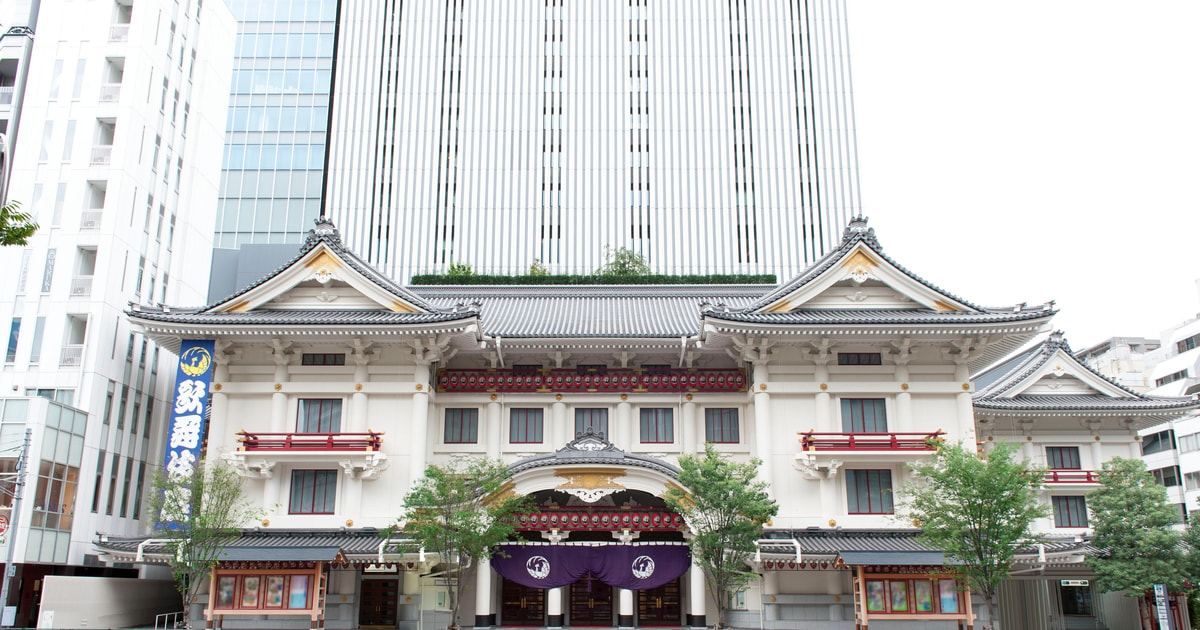
If you’re planning a trip to Tokyo, Kabuki-za is one of the most memorable ways to experience Japanese culture firsthand. GetYourGuide offers English-friendly Kabuki-za tickets and guided experiences, including options with headset translation and pre-show introductions for first-time viewers.
👉 Check Kabuki-za Tickets on GetYourGuide
This section may contain affiliate links. Booking through them costs you nothing extra and helps support this site.

コメント
コメント一覧 (1件)
[…] あわせて読みたい What Is Kabuki Buyō (Dance)? A Beginner’s Guide to Kabuki’s Dance Tradition A beginner’s guide to kabuki dance (buyō): its three forms, how it differs from aragoto and wagoto, and the must-see dance […]