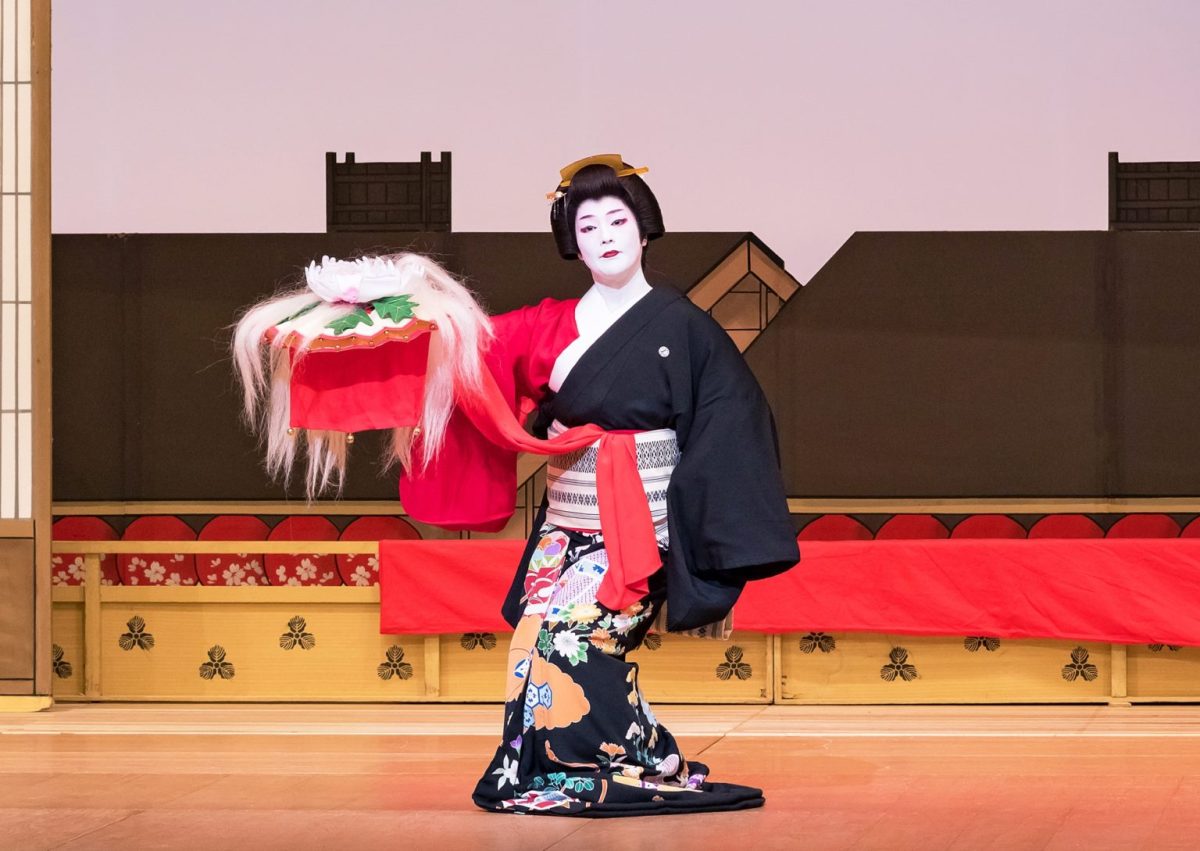
Niwakajishi (俄獅子) is a nagauta dance piece inspired by Niwaka, an annual festival tradition once held in Edo’s Yoshiwara pleasure district.
What Is Niwakajishi?
From the late Edo period into the Meiji era, Yoshiwara held an annual event called Niwaka — essentially a festival of improvised performance, in which geisha and jesters (taikomochi) would dress in costume and parade through the district performing dances and comic skits on the spot. Timed to the festival of the Kurosuke Inari shrine, different neighborhoods competed to outdo each other with inventive performances, reportedly dazzling enough that, as the saying went, “no one who saw it wasn’t amazed.”
Niwakajishi fuses that lively Niwaka atmosphere with elements of lion dance. It’s less a piece built around plot than one meant to let the audience feel the liveliness, style, and playful spirit of old Edo directly.
Synopsis
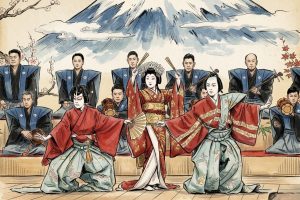
The stage is an Edo neighborhood caught up in festival excitement. To shamisen and hand-drum accompaniment, a vibrant dance unfolds, filling the stage with the bustling atmosphere of Yoshiwara. The performers move with a playful, comic lightness, prioritizing pure entertainment and building an infectiously festive mood.
Eventually, a lion appears. But unlike the weighty, formal lions of pieces like Renjishi or Kagamijishi, this is a lighter, more playful lion-dance figure firmly in the spirit of Niwaka. It moves with comic gestures, growing gradually more energetic and dynamic. The stage stays bright and festive throughout, capturing the sheer exhilaration of an Edo festival crowd. Nothing dramatic really happens — it’s a dance built entirely around the pure enjoyment of the moment.
Highlights
Edo-Style Cool and Playfulness
The biggest charm of Niwakajishi is its refusal to overdo anything. The lion’s mouth shows a peeking red-and-white tongue that flutters comically with the dance’s rhythm — playful, not just for laughs, but embodying the distinctly Edo aesthetic of understatement: never straining for effect, letting things land lightly. It’s about delighting the audience, not showing off — and that easy distance is exactly what gives the piece its comfortable, enjoyable atmosphere.
The Spontaneous, Live Feel of “Niwaka”
Niwaka itself was originally an improvisational art form, built entirely on the energy of the moment. That spirit survives in Niwakajishi — a sense of ease in the movement, playfulness that doesn’t fit neatly into rigid form, and a feeling of sharing the same energy with the audience. Unlike a tightly constructed formal dance, its biggest appeal is the feeling of “something enjoyable happening right now.”
From Stillness to Motion
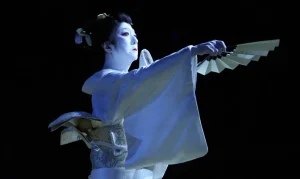
The piece’s structure is worth watching too: the first half centers on light, lively Niwaka-style dance, gradually building into bigger movement as the lion appears and shifts the stage’s energy. Graceful fan work, brisk rhythmic dance, and the lion’s dynamic movement combine to give the piece a natural sense of rise and expansion.
Lion-Dance Fun (Without the Hair-Whirling)
The lion that appears in the second half is the piece’s accent — but importantly, Niwakajishi doesn’t include the dramatic hair-whirling (ke-furi) seen in full-fledged lion-dance pieces. What you see instead is a lighter, lion-dance-inspired movement, laced with comic charm — an extension of Niwaka’s playful spirit rather than the weighty intensity of a piece like Renjishi. The piece maintains its light, enjoyable atmosphere all the way through, rather than building toward that kind of dramatic tension.
Easy to Enjoy, Even as a Beginner
Niwakajishi has a simple structure and is centered on pure visual and musical enjoyment:
- No complicated plot to follow
- Enjoyable through music and movement alone
- Easy to appreciate purely through atmosphere
These qualities make it a genuinely approachable piece for kabuki newcomers.
Frequently Asked Questions
- What is “Niwaka,” the festival this piece is based on?
-
Niwaka was an annual festival of improvised performance once held in Edo’s Yoshiwara district, where geisha and jesters paraded through the streets in costume performing impromptu dances and comic skits.
- Does the lion in Niwakajishi do the famous hair-whirling move?
-
No — unlike Renjishi or Kagamijishi, Niwakajishi doesn’t include hair-whirling. Its lion is a lighter, more playful figure in keeping with the piece’s festive, comic tone.
- Is Niwakajishi a good choice for a first-time kabuki viewer?
-
Yes — it has a simple structure built around music and movement rather than plot, making it easy to enjoy purely through atmosphere.
Summary
Niwakajishi bottles up the festive spirit of old Yoshiwara into a single lighthearted dance — playful, understated, and built entirely around the pure enjoyment of the moment rather than dramatic weight. It’s a great way to feel the liveliness of Edo culture without any of the intensity of kabuki’s more serious lion-dance classics.
🎭 Want to See Kabuki Live?
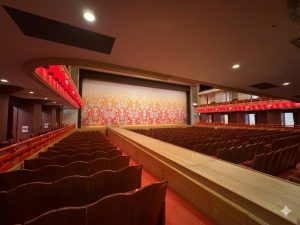
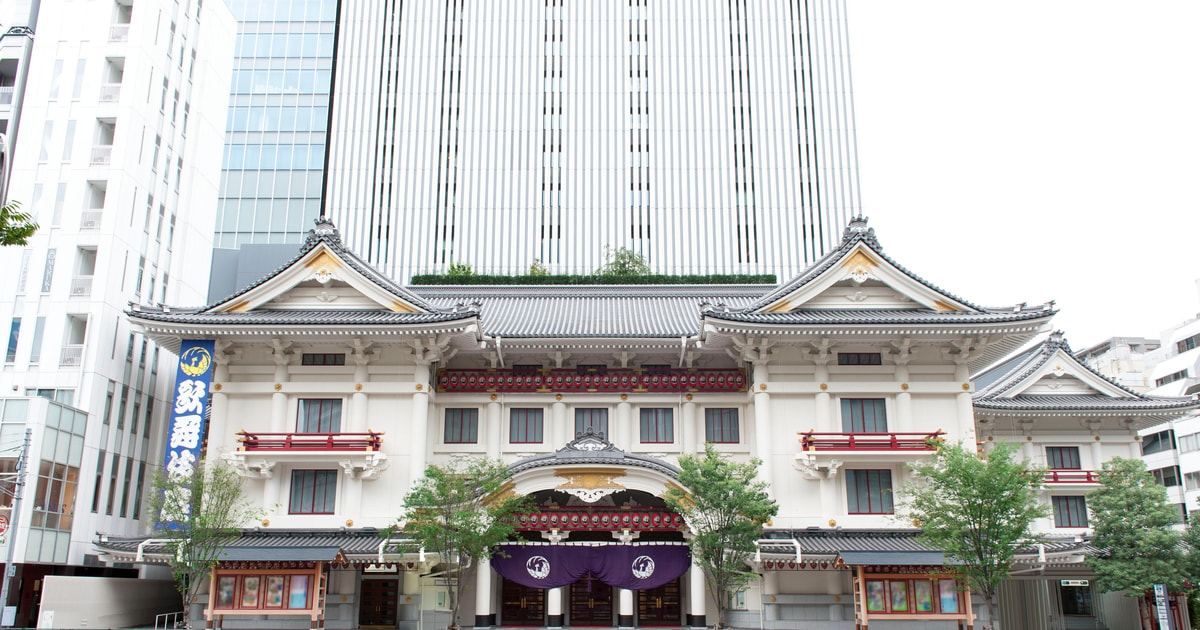
If you’re planning a trip to Tokyo, Kabuki-za is one of the most memorable ways to experience Japanese culture firsthand. GetYourGuide offers English-friendly Kabuki-za tickets and guided experiences, including options with headset translation and pre-show introductions for first-time viewers.
👉 Check Kabuki-za Tickets on GetYourGuide
This section may contain affiliate links. Booking through them costs you nothing extra and helps support this site.

コメント
コメント一覧 (1件)
[…] — a subtle showcase of comic timing and delivery. あわせて読みたい Niwakajishi Explained: A Playful Lion Dance From Old Yoshiwara Niwakajishi captures the festive spirit of Yoshiwara’s historic Niwaka festival in a light, […]