
Kabuki isn’t just bold combat and spectacle — some of its finest works are built entirely on the tension of a person living a double life. Ichijō Ōkura Monogatari (一条大蔵譚) is one of the best examples: what looks, on the surface, like the story of a foolish nobleman is actually a story of political survival, hidden identity, and quiet devotion to a lost cause — all building to a single moment where everything flips.
What Is Ichijō Ōkura Monogatari?
Ichijō Ōkura Monogatari is adapted from the fourth act of the jōruri play Kiichi Hōgen Sanryaku no Maki — the same epic covered in our guides to Kikubatake (act three) and Gojōbashi (act five). Through figures like Kiichi Hōgen and Ichijō Ōkura-kyō, this series of plays depicts the anguish and survival strategies of Minamoto loyalists living under the height of Taira power. It’s less a straightforward history play than a story about how to survive at all.
Synopsis
The Nobleman Called a Fool
At the height of Taira power, Tokiwa Gozen — mother of the young Ushiwakamaru (the future Yoshitsune) — became a concubine of Taira no Kiyomori after her husband Minamoto no Yoshitomo’s death, in order to protect her children. She later became the wife of the court noble Ichijō Ōkura-kyō Naganari, a man widely mocked as a fool, spending his days absorbed in Noh and kyōgen rather than any serious pursuit.
An Infiltration
Yoshioka Kijirō, loyal to the Minamoto cause, and his wife Okyō approach Ōkura-kyō’s residence to determine Tokiwa’s true feelings. Okyō infiltrates the household disguised as a female kyōgen performer, winning Ōkura-kyō’s favor and entering his service — but Ōkura-kyō himself never stops behaving like a buffoon, seemingly incapable of anything serious.
Tokiwa’s True Heart
At night, Kijirō sneaks into the residence to observe Tokiwa — and finds her absorbed in a game of archery. Enraged, he strikes and confronts her. But rather than react in anger, Tokiwa praises him, then points to the archery target itself: hidden there is a portrait of Taira no Kiyomori, pierced through by an arrow.
What looked like idle play was actually a secret ritual — a prayer for the Taira clan’s downfall. In this moment, Tokiwa’s true loyalty to the Minamoto cause is finally revealed.
Ōkura-kyō’s True Identity
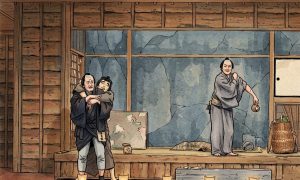
The household steward, Yatsurugi Kageyu, overhears this and moves to report it to the Taira. A struggle breaks out with Kijirō — and from behind a bamboo blind, a figure emerges and cuts Kageyu down. It’s Ichijō Ōkura-kyō himself.
His foolish demeanor vanishes entirely, replaced by a commanding presence. He reveals the truth: he carries Minamoto blood himself, and has spent years playing the fool purely to deceive the Taira. This act of “constructed foolishness” is the true core of the entire play.
Back to Playing the Fool
Having revealed everything, Ōkura-kyō entrusts Kijirō and Okyō with a treasured Minamoto heirloom — and then, immediately after, reverts right back to his foolish persona.
This isn’t just theatrical flourish. It reflects a hard truth: the fight isn’t over, revealing his identity would put his life at risk, and survival means continuing to perform the role. This return to the mask is the single deepest theme of the entire piece.
Characters
Ichijō Ōkura-kyō Naganari
The play’s central figure. Publicly mocked as a foolish nobleman absorbed in Noh and kyōgen, he’s secretly a Minamoto descendant and master strategist who has spent years disguising himself as a fool to survive under Taira rule. His resolve and intelligence surface only in the play’s final act, and his return to the foolish mask afterward embodies the piece’s deepest theme.
Tokiwa Gozen
Mother of Ushiwakamaru (the future Yoshitsune). After her husband’s death, she became Kiyomori’s concubine to protect her children, later living under Taira protection as Ōkura-kyō’s wife. Outwardly aligned with the Taira, she secretly burns with loyalty to the Minamoto cause — expressed through the quiet, life-risking “prayer” of shooting an arrow through Kiyomori’s hidden portrait. Understated, but arguably the most significant figure in the entire piece.
Yoshioka Kijirō
Younger brother of Yoshioka Kiichi Hōgen (from Kikubatake), and a Minamoto loyalist who approaches Ōkura-kyō’s residence to confirm Tokiwa’s true feelings. His confrontation with Tokiwa, before he understands her true intentions, marks a major turning point in the story.
Okyō
Kijirō’s wife, who successfully infiltrates the residence disguised as a female kyōgen performer — a woman of real intelligence and nerve, risking her life alongside her husband for the Minamoto cause.
Yatsurugi Kageyu
The household steward, who overhears the secret conversation between Kijirō and Tokiwa and attempts to betray them to the Taira — an act of betrayal that directly triggers Ōkura-kyō’s dramatic reveal.
Highlights
From Fool to Awakened Strategist
The play’s biggest moment is Ōkura-kyō’s transformation — the instant the loose, comic atmosphere snaps into total intensity is a genuinely thrilling piece of pure kabuki craft.
Tokiwa’s Quiet Resolve
Outwardly aligned with the Taira while secretly devoted to the Minamoto cause, Tokiwa Gozen is understated but carries real weight as a character.
A Masterwork of Stillness
Rather than relying on stylized combat, this piece draws its power from dialogue, pacing, and atmosphere — putting an actor’s raw skill fully on display.
How It Connects to Related Plays
Ichijō Ōkura Monogatari becomes even more rewarding when understood as part of the larger Kiichi Hōgen Sanryaku no Maki: Kikubatake depicts the relationship between Kiichi Hōgen and Ushiwakamaru, while Gojōbashi depicts Ushiwakamaru’s first meeting with Benkei. Taken together, they paint a fuller picture of the long road toward restoring the Minamoto clan.

Frequently Asked Questions
- Why does Ōkura-kyō go back to acting foolish at the end?
-
Because the fight against the Taira isn’t over — revealing his true identity permanently would put his life at risk. Continuing to play the fool is how he survives to keep helping the Minamoto cause.
- What was Tokiwa Gozen really doing with the archery game?
-
It was a disguised ritual — she was secretly shooting arrows through a hidden portrait of Taira no Kiyomori as a prayer for the Taira clan’s downfall, revealing her true loyalty to the Minamoto cause.
- Do I need to watch Kikubatake or Gojōbashi first?
-
Not necessarily — this act stands on its own. But since all three come from the same larger play, watching them together gives a fuller picture of the story of the Minamoto restoration.
Summary
Ichijō Ōkura Monogatari turns the simple premise of “a foolish nobleman” into a masterclass in dramatic tension — a story about hiding one’s true self to survive, and the cost of continuing that performance even after the truth comes out. Its quiet, dialogue-driven intensity makes it one of kabuki’s more sophisticated character studies.
🎭 Want to See Kabuki Live?
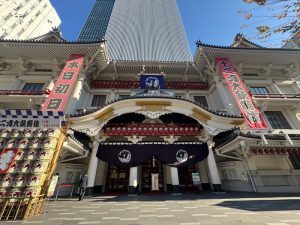
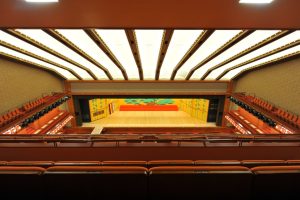
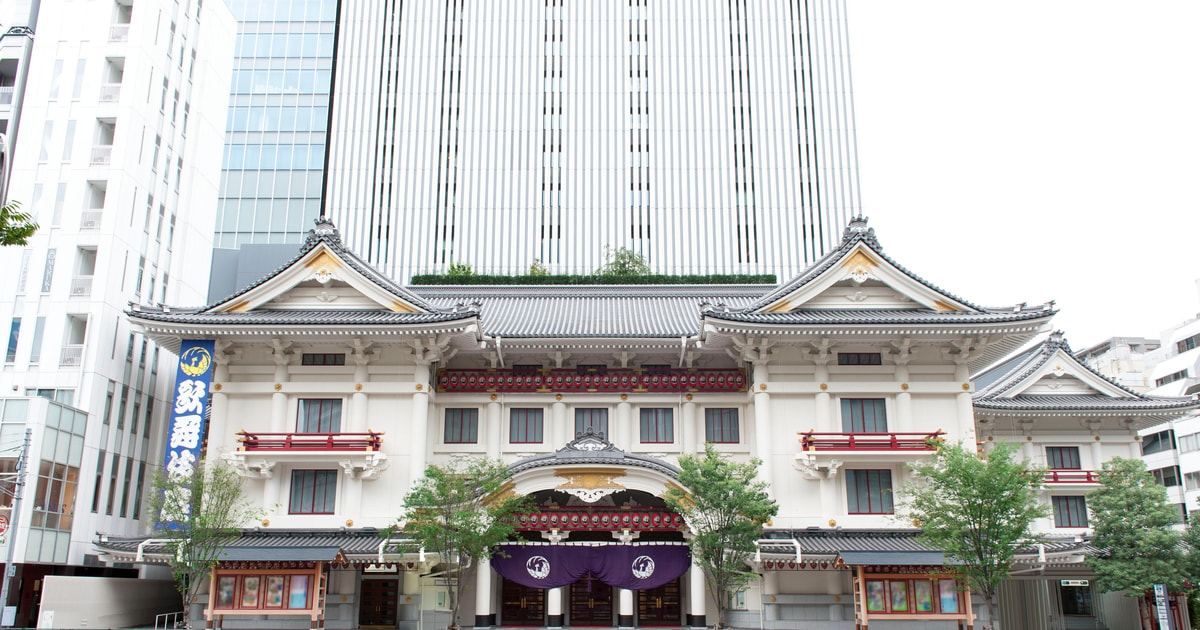
If you’re planning a trip to Tokyo, Kabuki-za is one of the most memorable ways to experience Japanese culture firsthand. GetYourGuide offers English-friendly Kabuki-za tickets and guided experiences, including options with headset translation and pre-show introductions for first-time viewers.
👉 Check Kabuki-za Tickets on GetYourGuide
This section may contain affiliate links. Booking through them costs you nothing extra and helps support this site.




コメント